

Glass skin routine for beginners is the most searched phrase for dewy, pore-light, ultra-smooth skin—but do you really need a 10-step routine and triple-digit budget to achieve it? This no-jargon, cost-conscious guide delivers exactly how to get glass skin on a starter budget with only 4–6 steps, minus influencer overwhelm and skin barrier disaster.
Key Takeaways
- A beginner glass skin routine can work in 4–6 steps (not 10+) with products under $75, if you know which steps and ingredients matter most.
- Layer hydration and barrier support (think: hyaluronic acid, ceramides), limit actives (1 per routine), and sunscreen every morning—no exceptions.
- Common pitfalls include too many actives, fast product changes, and not adapting to skin type. Learn to spot warning signs to avoid irritation or dark marks.
- What is “Glass Skin” and what does the science actually say?
- The 30-Day Beginner Glass Skin Routine — step-by-step (AM + PM)
- Advanced Analysis & Common Pitfalls
- Conclusion
- FAQ
What is “Glass Skin” and what does the science actually say?
“Glass skin” describes skin that looks pore-minimized, ultra-smooth, evenly toned, and so hydrated it practically glows. The effect hinges on layered humectants (like glycerin or hyaluronic acid), ceramides and fatty acids to support the barrier, and gentle exfoliation. But here’s the key: there are no clinical studies proving a named “glass skin” protocol. Instead, research supports ingredient and routine basics—like hydration and barrier repair—behind the look.
- Layering hydration and maintaining barrier lipids (ceramides, cholesterol, fatty acids) is critical for skin clarity and light reflection.
- Clinical evidence is indirect: “Evidence is mostly indirect (ingredient-level and routine studies) rather than randomized trials on ‘glass skin’ as a named protocol.” (Source)
- Experts stress: “The goal is a healthy, well-functioning barrier with high water content, not literal poreless or texture-less skin.”
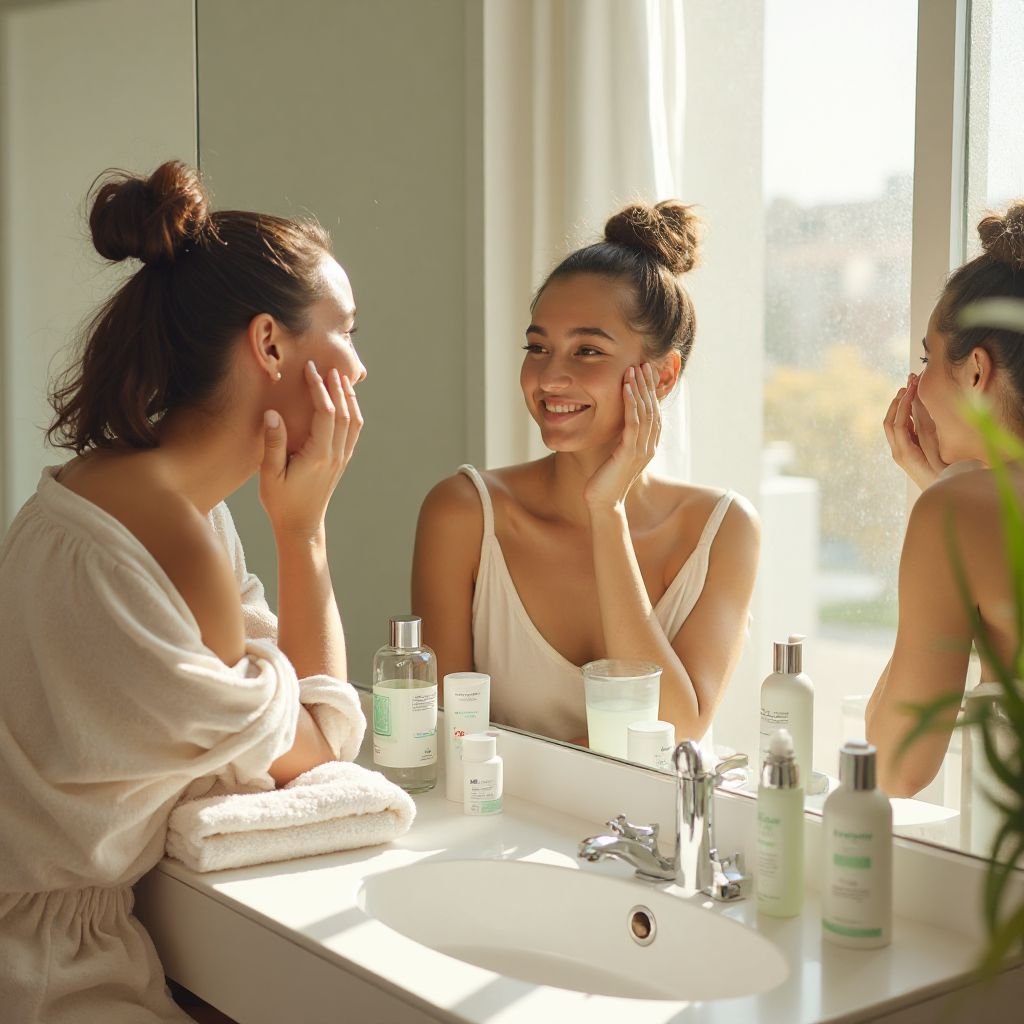
The 30-Day Beginner Glass Skin Routine — step-by-step (AM + PM)
This is a realistic glass skin routine for beginners—4 to 6 steps by skin type and budget, focused on visible results and diminishing risk. Stick to the schedule, use just one active per routine, and let each product “prove” itself for 2–4 weeks before introducing more. Here’s your roadmap:
- Gentle water-based cleanser
Removes sweat and excess oil—low foaming, no sulfates (evidence). - Hydrating toner/essence (optional)
Layer on humectants. Look for hyaluronic acid, glycerin, or centella asiatica for extra plumpness. - Daytime serum—pick for your skin needs
Vitamin C or niacinamide for brightness/PIH, mild salicylic acid for oil/congestion, or skip actives for ultra-sensitive skin. - Barrier-supporting moisturizer
Gel-cream for oily, richer for dry/sensitive—ceramides are a must for all. - SPF 30+ every AM
Non-negotiable: prevents pigmentation and helps retain dewy glow over months.
- Night routine tweaks
Double cleanse if wearing makeup or SPF; night active 2–3x/week (gentle AHA/BHA or retinoid), otherwise stick to moisturizer. Exfoliation frequency: 1–2x/week max.
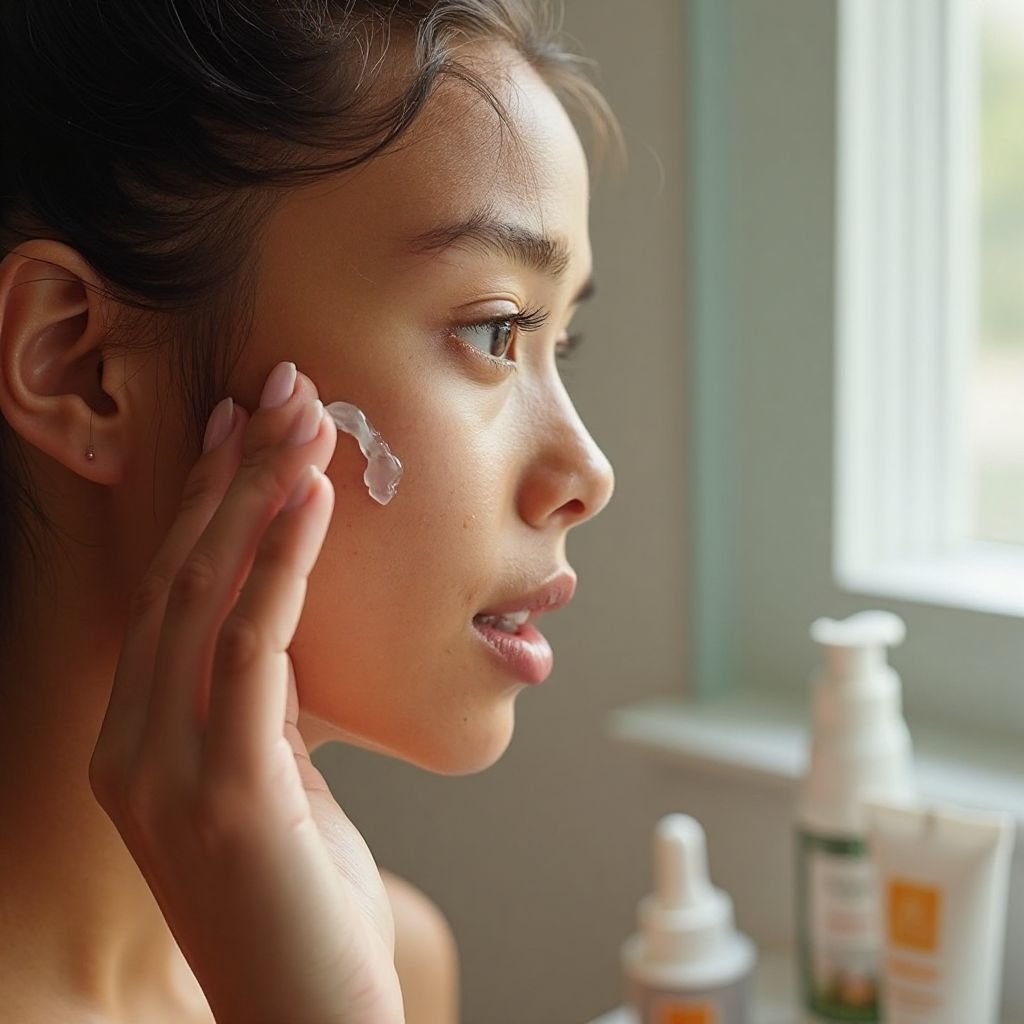
Shopping tip: You can build a starter routine for under $75: $12 cleanser + $12 toner + $15 serum + $18 moisturizer + $18 mini sunscreen (example). Prioritize transparent ingredient lists—look for glycerin, hyaluronic acid, ceramides, and niacinamide for max payoff. Want pro reviews on trending glass skin products? See our Product review page.
Adapting by skin type:
- Dry: Use cream cleansers, thick barrier cream, stick to lactic/mandelic acid 1x/week.
- Oily/acne: Gel cleanser, water-based hydrators, niacinamide serum, non-comedogenic SPF, salicylic acid 1–2x/week. Want more acne-friendly pointers? Read our guide for sensitive skin.
- Sensitive: Fragrance-free everything. Skip actives at first, barrier-support moisturizer, mineral sunscreen only.
- Darker skin/PIH risk: Start slowly with vitamin C or azelaic acid. Avoid harsh peels and always wear SPF. More advice for deeper tones: our setting powder for dark skin article includes inclusivity tips for glow routines.
For a full shopping breakdown by product type and swaps, see the “Quick Shopping Allocations” in our bonus appendix or visit our best foundation for dry skin post.
Advanced Analysis & Common Pitfalls
Most users think more steps = faster glass skin, but “routine overload” leads to breakouts, redness, and wallet pain. Here are the most common pitfalls (and how to avoid each one):
| Pitfall | Signs/Symptoms | Fix |
|---|---|---|
| Too many actives at once | Burning, redness, flaking, “purge” that won’t stop | Pause all actives. Use bland ceramide-rich moisturizer, SPF. Reintroduce 1 active at a time after 2–4 weeks. |
| Wrong texture for skin type | Oily skin feels greasy, new breakouts; dry skin stays tight | Switch to gel moisturizer for oily skin, richer cream for dry skin, fragrance-free always for sensitivity. |
| Aggressive exfoliation/peeling | Dark marks get darker (esp. on deep skin tones), stinging | Drop acids, switch to gentle vitamin C or azelaic acid, strict SPF. |
| Fragrance/essential oil allergies | Itching, rash, eye area redness | Remove all scented products; use plain, dermatologist-recommended formulas. |
| Changing all products at once | Unpredictable breakouts, hard to trace culprit | Reset routine to basics. Add new items one at a time every 2–4 weeks. |
Data-backed reminder: “People ‘ruined’ their skin barrier by combining too many acids and retinoids; over-exfoliation, product stacking, and changing too many products at once are frequent mistakes.” (Dermstore).

Want recovery tips after a routine gone wrong? Our hair damage recovery article lays out the same “reset” plan: minimize cleansing, bland moisturizer, mineral SPF, patience. For barrier support, compare gentler hydration solutions from our silk pillowcase for hair and skin guide (it matters for face, too).
Crucially, glass skin is not really “poreless”—genetics, health, and patience play the biggest roles. Results: look for more even tone, bounce, less redness—not flawless “filter” skin in 30 days. This is echoed by experts cited in Dermstore’s research.
Conclusion
Achieving a healthy, hydrated glow is totally possible with a glass skin routine for beginners in just 4–6 targeted steps—and with a budget under $75. Focus on hydration and barrier repair, SPF every day, and single-actives. Avoid the temptation to do too much, too soon. Start simple, adapt by skin type, and measure real progress: less redness, more moisture, and improved texture over 30–90 days. Want next-level advice, reviews, and shopping lists? Explore the rest of our beginner guides or check the Product review section.
FAQ
How long does it take to see glass skin results?
With a basic routine and patience, you’ll often notice improved texture and hydration in 2–4 weeks, but more even tone and lasting glassiness usually take 2–3 months. Go slow, and track progress with photos and how skin feels—not just how it looks in certain lights.
Can I get glass skin without Korean products?
Absolutely. The effect comes from layering hydration, barrier support, and SPF. These steps and ingredients exist in both Korean and Western brands—focus on what your skin tolerates and your budget allows.
Should I skip moisturizer if I have oily skin?
No. Even oily and acne-prone skin needs a lightweight, non-comedogenic moisturizer. Gel formulas with hyaluronic acid and ceramides help oily skin look dewy, not greasy, and support the glass skin look.
What if my skin stings or breaks out after starting?
Stop all actives and fragrance—a simple routine of gentle cleanser, bland ceramide moisturizer, and mineral SPF for 2–4 weeks usually resets most mild reactions. See a dermatologist if stinging/burning or breakouts worsen.
Do I need to exfoliate to get glass skin?
Gentle exfoliation (1–2x/week max) can help with glass skin, but overdoing it increases irritation and dark marks—especially on sensitive or deep skin. Stick to one type at a time (AHA, BHA, or enzyme) and watch for redness or flaking.