
Best setting powder for dark skin remains one of the toughest beauty questions if you want a smooth, non-ashy finish. Most so-called “universal” powders fail deep skin—leaving a gray cast or oxidizing in photos. Here’s a practical, evidence-backed guide to getting a truly flawless set without sacrificing your melanin-rich glow.
Key Takeaways
- Silica, titanium dioxide, and zinc oxide are main causes of ashiness and flashback on deep skin—always check labels.
- Seek tinted powders with peach, golden, or banana tones; “translucent” often means ashy for melanin-rich skin.
- Perfect finish depends on balancing undertone, application method, and formula—application techniques matter as much as product choice.
- Why dark skin users still get an ashy finish — the real complaints
- Ingredient science: which powder ingredients cause ashiness — and what to look for instead
- How to read labels: practical tips for spotting melanin-friendly formulas
- Top-rated, tested setting powders that reliably avoid ash on deep tones
- Price, size and value comparison: drugstore vs mid-range vs luxury
- Finish guide — mattifying vs. luminous for melanin-rich skin
- Application techniques that prevent ash and cakiness (professional tips)
- Real-world wear testing: oxidation, flashback and long-wear performance
- Quick-fix swaps and DIY tweaks for powders that go ashy
- Must-have features checklist before you buy
- Brands doing it right — where inclusivity meets formulation
- FAQs
- Final verdict and buying flowchart (how to pick your perfect powder)
Why dark skin users still get an ashy finish — the real complaints
Despite new launches, many “translucent” and HD powders create visible ash or gray cast on melanin-rich skin. Users report makeup turning dull, especially under flash or when formula oxidizes later. Lack of proper warm or peach undertones leaves deep skin mismatched. The result: makeup that looks flawless in the jar, but ghostly or washed-out on real skin.
Ingredient science: which powder ingredients cause ashiness — and what to look for instead
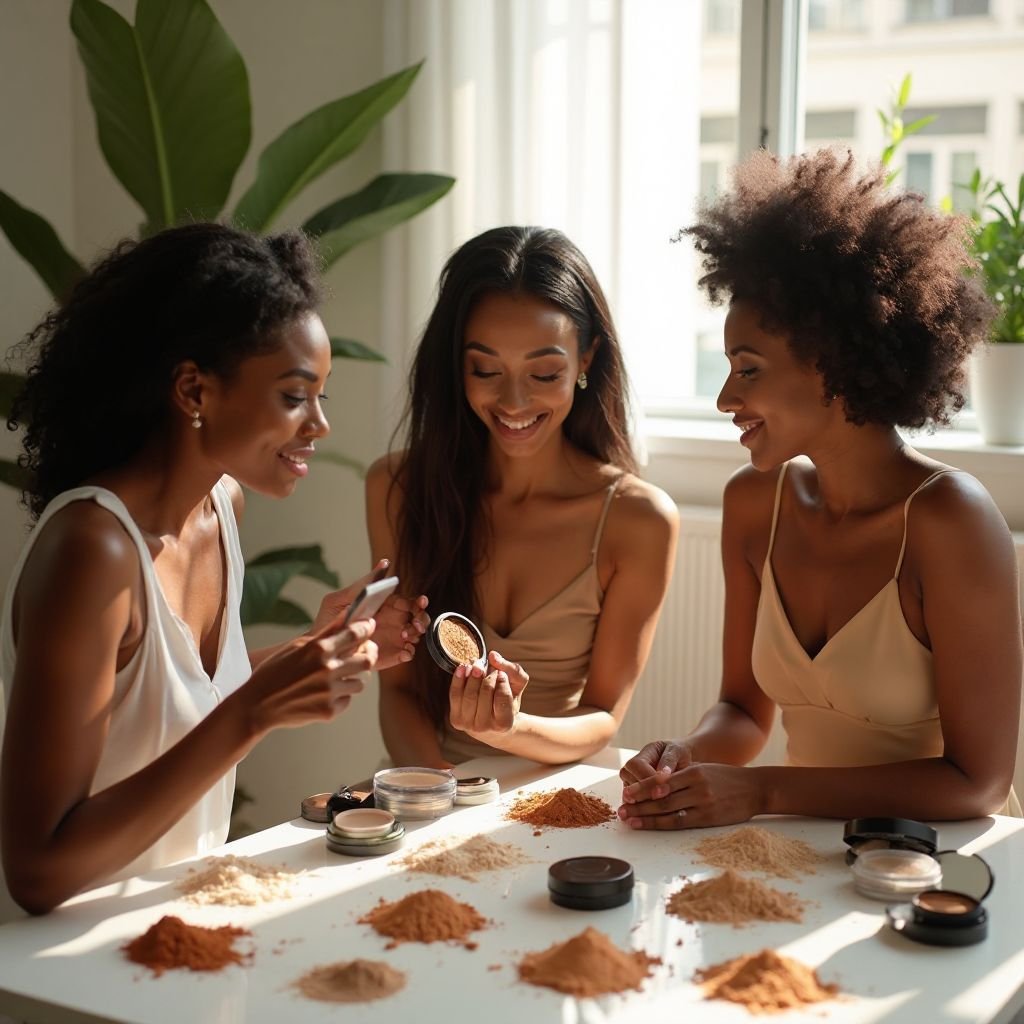
The “no ashy finish” claim is mostly about what’s in (and what’s not in) the formula. Silica, titanium dioxide, and zinc oxide are the biggest offenders, causing light to reflect unnaturally—which shows up as white cast or intense flashback in photos. Translucent powder for dark skin is rarely truly invisible because of these ingredients. Instead, look for non-ashy powders with fine, colored mineral pigments (like peach, golden, or banana yellow), and formulas that skip or reduce those brightening agents.
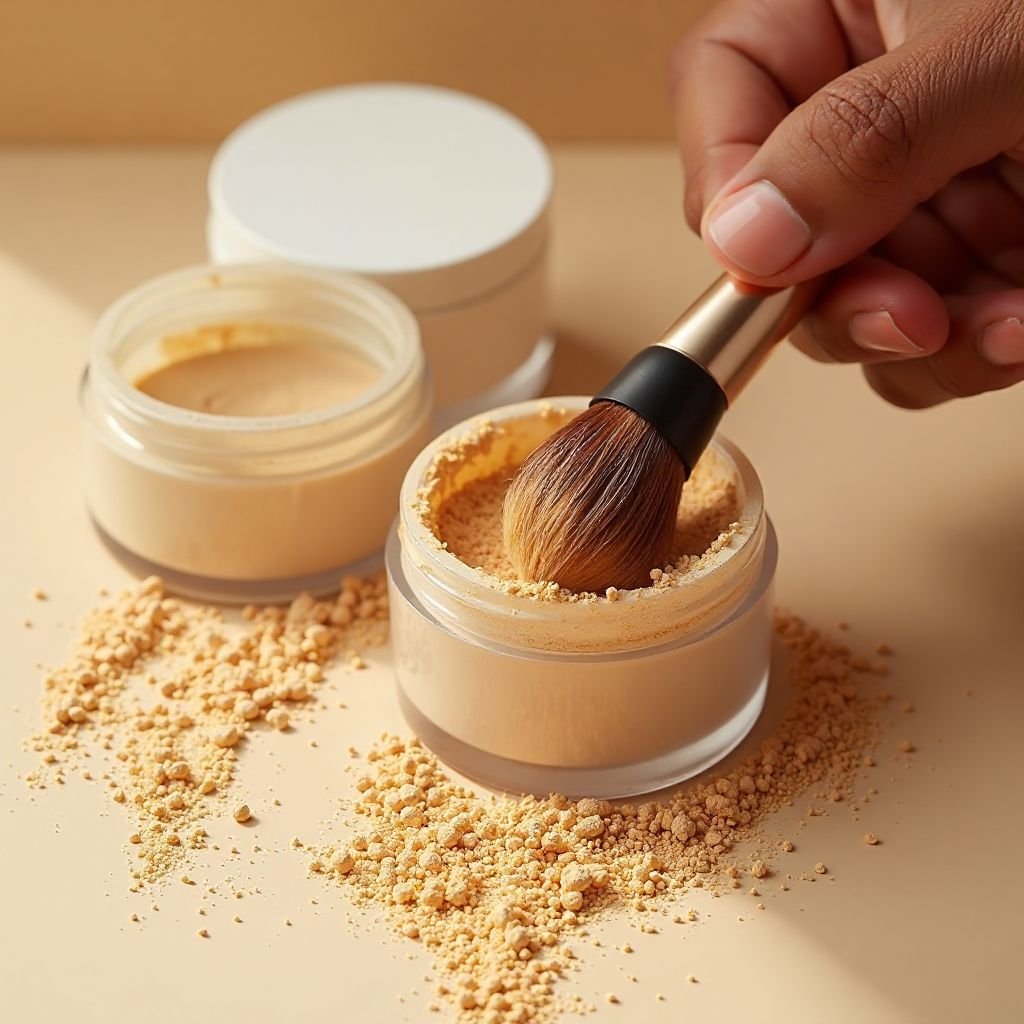
For even more details on the science behind these ingredients, see Lab Muffin’s analysis, which explains why classic HD powders can backfire on deep skin.
How to read labels: practical tips for spotting melanin-friendly formulas
Label claims are tricky. “HD” and “translucent” often signal a heavy dose of silica or titanium dioxide. If you see these, be cautious. Instead, check for products that come in shades beyond “universal,” and look for words like “banana,” “peach,” or even “medium deep”—these usually signal actual undertone diversity. Ingredient transparency is necessary. If a brand just markets the powder as “works for all,” it’s likely not the best powder for melanin skin.
Being able to quickly decode if a product will work saves time, money, and disappointment. Find more practical coverage on beauty transparency in our product review page.
Top-rated, tested setting powders that reliably avoid ash on deep tones
Here are the editor-tested, pro-approved choices for best setting powder for dark skin with a proven, non-ashy, non-cakey finish:
- NYX Can’t Stop Won’t Stop (Medium-Deep/Deep): Pigmented matte, absorbs oil without gray cast—excellent at drugstore price.
- One/Size Ultimate Blurring (Dark Deep): Blurring and smooth, powder shade designed just for deep undertones.
- Laura Mercier Translucent Loose (Medium Deep/Honey): Gold-standard for pros, real undertones, no flashback.
- Dermablend Illuminating Banana: Luminous but not shiny, banana tone brightens under eye without dullness.
- Glossier Wowder (Deep/Rich): Lightweight, blurring, non-chalky, great for everyday touchups.
Dermatologists and pro artists agree: these standouts beat most mainstream “universal” powders for deep skin (user-tested roundup).
Pair your setting choice with a good primer that suits your skin concern—see our primer for large pores guide if you want even longer wear.
Price, size and value comparison: drugstore vs mid-range vs luxury
| Powder | Price (USD) | Size (oz) | $/oz | Finish |
|---|---|---|---|---|
| NYX Can’t Stop Won’t Stop | $8–$10 | 0.7–1 | $8–$14 | Matte |
| Maybelline Fit Me | $7.99 | 0.7 | $11.40 | Naturally matte |
| Glossier Wowder | $28 | 0.35 | $80 | Blurring/soft-matte |
| Laura Mercier Translucent Loose (Medium Deep) | $40–$45 | 1 | $40–$45 | Matte |
| Dermablend Banana | $35+ | 0.5–1 | $35–$70 | Luminous |
Powders for deep skin range $8–$45 and 0.3–1 oz. Drugstore options excel for everyday use and experimentation. If you shoot photos or want long-term results, splurge on pro favorites. Read more about texture and value in our beauty product reviews.
Finish guide — mattifying vs. luminous for melanin-rich skin
Choose your finish based on skin needs and look:
- Mattifying: Great for oily or humid environments—controls shine but can dull natural warmth if too flat.
- Luminous: Adds soft glow, ideal for dry or combo skin, but watch for shimmer and opt for micro-fine formulas to avoid looking greasy.
For true setting powder no ashy finish, consider your skin undertone and climate before choosing. You’ll find more insights on luminous makeup options and their pros/cons in our beauty guides.
Application techniques that prevent ash and cakiness (professional tips)
How you apply makes a bigger difference than you think. Here’s the step-by-step for deep tones:
- Use a dense brush or puff to press—never sweep—powder only on oily areas (t-zone, chin, under eyes).
- If your powder is slightly off, tap a bit of bronzer or warm blush over top to melt ashiness.
- Skip traditional “baking”—instead, use a light hand and blend with a damp sponge for seamless results.
- In humid weather, layer a tiny bit of oil control setting powder before foundation, then set again after.
Looking for more on tool selection or natural hair beauty routines? Our satin bonnet guide covers beauty steps for melanin-rich users.
Real-world wear testing: oxidation, flashback and long-wear performance
The real test: try powders for a full day and take a flash photo. Watch for these issues:
- Oxidation: Does the powder turn darker or off-tone after 8–12 hours?
- Flashback: Does your skin look white or gray on camera, especially under flash?
- Oil breakthrough: Do you get greasy—but still look ashy by end of day?
Most pro-backed powders listed above have passed user flash test and long-wear rounds (see editor photos). Keep track of your own results for repeatable success.
Quick-fix swaps and DIY tweaks for powders that go ashy
If you’re stuck with an ashy powder:
- Mix a little warm-toned loose pigment or bronzer into your powder lid before setting.
- Apply only to oily zones and avoid outer face where ash is most obvious.
- mist with setting spray to melt the powder into your skin and soften any cast.
- Pat a little cream bronzer over powder if needed—it transforms dull to radiant instantly.
More creative DIY makeup tricks can always be found on our press on nails for short nails page—which includes similar “save your look” tips.
Must-have features checklist before you buy
- Available in at least 2 warm or golden undertones for deep skin (peach/golden/banana)
- Explicit flashback resistance (no HD/silica-heavy marketing)
- Choice of finish: matte, luminous, or soft-matte depending on your skin needs
- Lightweight, blurring texture, with no cakiness
- True undertone and shade-matched swatches/community wear tests
For more checklist inspiration see our primer for large pores roundup.
Brands doing it right — where inclusivity meets formulation
Some brands walk the talk on shade inclusivity and smart formulation:
- NYX, One/Size, and Laura Mercier all offer real undertone choices, reduce problematic ingredients, and show swatches on deep models.
- Dermablend and Glossier back up their claims with both shade variety and non-ashy finish—even on the darkest undertones.
Many still market “translucent for all,” but few deliver for dark skin (industry coverage here). Avoid brands whose shade ranges plateau after “medium deep”—they’re rarely melanin-friendly.
FAQs
Can translucent setting powder work on deep skin?
Rarely. Most translucent powders contain silica or brighteners that give an ashy or gray cast. Always opt for warm-tinted powders if possible.
How do I avoid flashback in photos?
Avoid powders high in silica, titanium dioxide, or zinc oxide. Test your finished face under camera flash before heading out.
What’s the best powder for oily deep skin?
Matte, warm-toned powders such as NYX Can’t Stop Won’t Stop Deep or Laura Mercier Medium Deep offer oil control without dullness.
Can I use banana powder under my eyes?
Yes, if it’s finely milled and truly yellow or golden—not pale. Lightly brush to set concealer, then blend thoroughly to avoid a yellow cast.
What if all powders look ashy on me?
Try mixing a warm pigment or bronzer, applying less, and always finish with a mist to reduce visible ash. Check for undertone options when you shop.
Final verdict and buying flowchart (how to pick your perfect powder)
Choosing the best setting powder for dark skin means combining undertone-matched formulas, ingredient awareness, and smart, pro-level application. If you want non-ashy, reliable results: pick a powder made for deep skin, check ingredients for flashback, and test your look in real life. Compare price-size ratios and decide when to splurge or save. Ready to shop smarter? Start with the editor favorites above—and test your application steps at home.
Explore more beauty solutions and real reviews on our
product review page.