

e.l.f. halo glow liquid filter review: For beauty shoppers craving luminous, “filter” skin at a drugstore price, e.l.f. Halo Glow has become a viral favorite. But does it really deliver the radiance, soft blur, and everyday usability buyers expect—or are there hidden drawbacks depending on your skin type, how you apply it, and alternatives in the market? This review lays out the evidence in plain English, so you can decide if it fits your skin, your routine, and your wallet.
Key Takeaways
- Halo Glow gives a visible glow and soft blur for most normal to dry skin; it can look greasy or enhance texture on oily or uneven skin.
- At ~$14 per 1.06 oz, it costs less than half the price per ounce versus high-end “filter” alternatives, making it a top value leader.
- Strategic placement and layering (using powder, testing with your own foundation) are key—especially for oily, combo, or acne-prone skin.
- Quick Verdict — Is e.l.f. Halo Glow Worth Buying?
- What the Product Is and What e.l.f. Claims
- How Noticeable Is the Luminosity and Blur? (What Reviewers Actually Report)
- Conclusion
- FAQ
Quick Verdict — Is e.l.f. Halo Glow Worth Buying?
For the majority of shoppers with normal to dry skin who want an affordable radiant boost, e.l.f. Halo Glow Liquid Filter is a strong “buy.” It delivers a visible glow and soft-focus effect, according to a clear majority of reviewers. The price per ounce trounces high-end “filter” products. However, if you have oily, combination, textured, or very mature skin, go in with caution: it may emphasize texture, worsen shine, or conflict with your base. As a glow primer and enhancer, not a foundation rival, its value is hard to beat—but strategic placement and layering are key for trickier skin types.
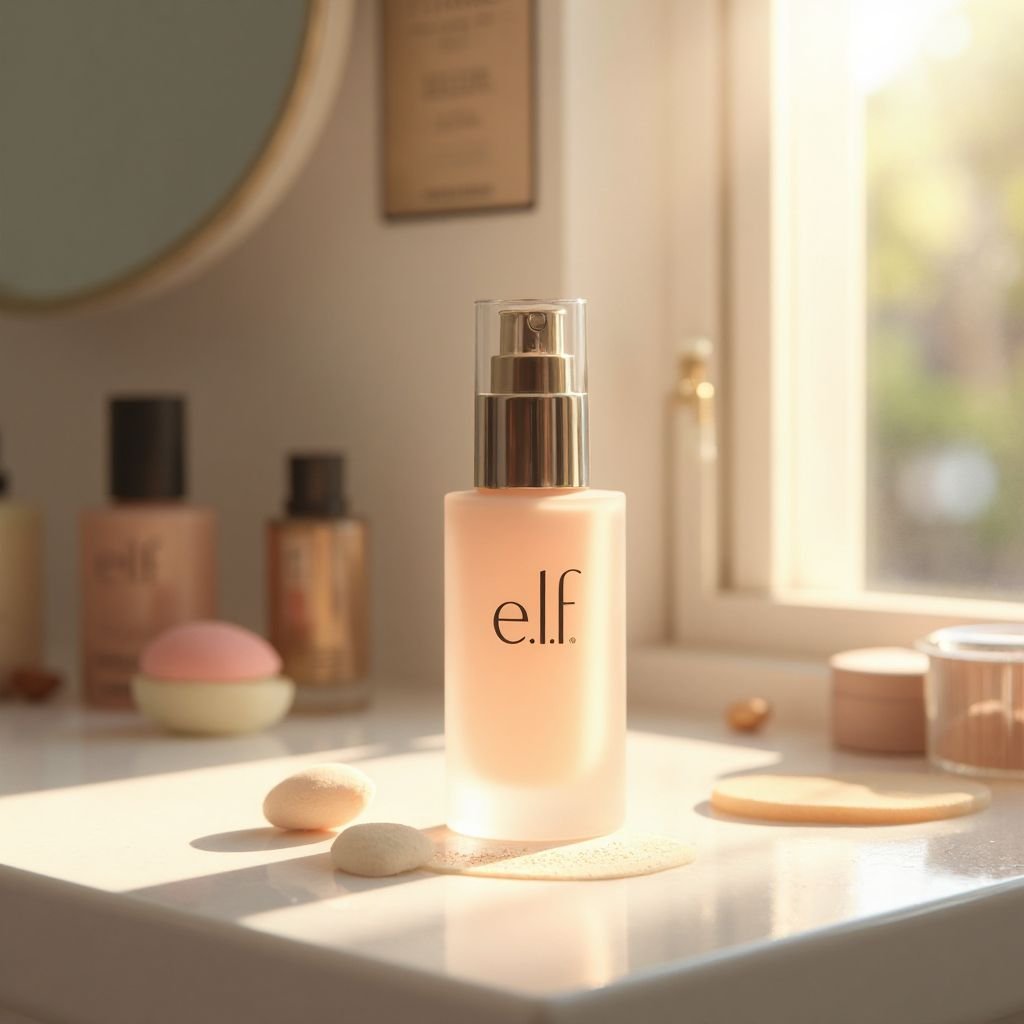
What the Product Is and What e.l.f. Claims
e.l.f. Halo Glow Liquid Filter is promoted as a multi-use complexion booster or “liquid filter” for luminous, soft-focused skin. You can wear it on its own, under, or mixed with your foundation as a luminous skin primer or filter effect foundation. The bottle contains 1.06 fl oz (31.5 ml), and e.l.f. claims it creates instant “soft-focus radiance,” though there are no published clinical trial results or percentages given by the brand.
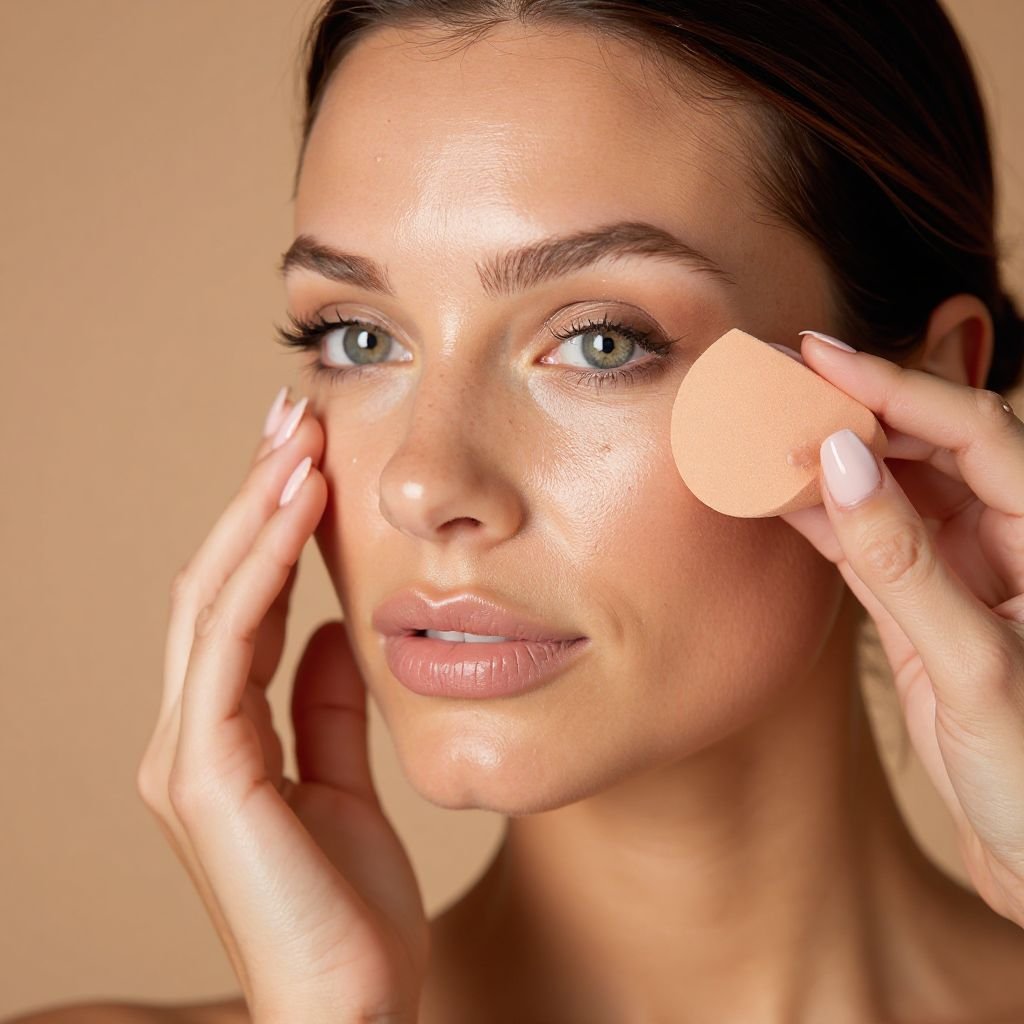
To use as your best drugstore luminous primer, apply a thin, even layer as your makeup base. For a standalone filter effect foundation, use a bit more and blend with fingers or a damp sponge—but don’t expect true foundation coverage. Looking for pro tips to boost luminosity? mix with your current foundation (try 1:1 for a dewy look or 1:2 for more subtle radiance), or blend with your moisturizer for a sheer tinted effect. Foundation pairing matters—matte, natural, or buildable coverage formulas are often the best matches.
Compare the value: e.l.f. Halo Glow Liquid Filter (1.06 fl oz, ~$15) vs. Charlotte Tilbury Hollywood Flawless Filter (1.0 fl oz, ~$44). That’s a major saving for a similar “glow” effect. See table in Advanced Analysis for a dose-by-dose breakdown.
How Noticeable Is the Luminosity and Blur? (What Reviewers Actually Report)
There are no independent clinical trials showing the percentage of users who see a glow or blurring effect from Halo Glow. However, research findings and aggregated reviews reveal most users with normal to dry skin notice a clear “soft focus” glow, especially as a glow primer review favorite. Those with oily or combination skin more often report increased shine, greasiness, or enhanced pores/texture. A substantial group describe the finish as dewy or even metallic if overapplied, particularly on textured skin.
| Product | Size (oz/ml) | Approx. Price (USD) | Price Per Oz | Shades |
|---|---|---|---|---|
| e.l.f. Halo Glow Liquid Filter | 1.06 oz / 31.5 ml | $14–$15 | $13–$14 | 8+ |
| Charlotte Tilbury Flawless Filter | 1.0 oz / 30 ml | $44 | $44 | ~12 |
| L’Oréal True Match Lumi Glotion | 1.35 oz / 40 ml | ~$16 | ~$12 | 4 |
Most Common Issues:
- Looks greasy or shiny on oily/combo skin, especially without strategic placement or set with powder.
- Can emphasize pores or skin texture—choose light layers or skip full-face application if textured or mature.
- Acts more like a liquid highlighter for some, with a reflective rather than subtle glow.
- Pills when used with some moisturizers or other silicone-heavy primers.
- Color/undertone mismatches—especially for olive, neutral, or deeper skin tones; shade flexibility is good but not perfect.
Want a true pore-blurring effect for oily or large-pore skin? See our in-depth primer for large pores roundup.
Formula details: e.l.f. Halo Glow is water-first but functions as a silicone-based luminous skin primer, with squalane, hyaluronic acid, and multiple silicones for blendability. For long-wear, matte, or full-coverage foundation routines, always test compatibility—some foundations may oxidize or break down faster over a very hydrating base. If you’re curious how Halo Glow stands against both drugstore and high-end alternatives, side-by-side ingredient tables can help (see product comparison guides).

Conclusion
In summary: e.l.f. Halo Glow Liquid Filter is a value powerhouse for most shoppers seeking dewy radiance and a soft “filter” effect. At one-third the price per ounce of luxury options and with flexible multi-use roles, the main caveats involve shine and texture for oily or uneven skin. Try targeted placement, mix with foundation, and always test with your base. Want more buyer-focused advice beyond this e.l.f. halo glow liquid filter review? Explore our beauty review hub for recent wear tests, or visit the best drugstore foundation guide for more skin-type-specific picks.
Ready to glow? Test e.l.f. Halo Glow against your base—then tweak your routine for real-world results!
Frequently Asked Questions
Does e.l.f. Halo Glow Liquid Filter clog pores or cause breakouts?
Most users with normal or dry skin do not report major breakouts, but some with acne-prone or sensitive skin mention clogged pores. Dimethicone and emollients can be congesting for some. Always patch test and monitor your skin, especially if prone to acne.
Can Halo Glow really replace foundation?
No. It provides a sheer tint and radiance but very little coverage. For true foundation-level results, mix with a concealer or your favorite base. Used solo, it’s best as a glowy base for “no makeup” days.
What’s the best way to apply Halo Glow for oily skin?
Limit application to high points (cheekbones, bridge of nose) and always set with a translucent powder. Avoid T-zone and use oil-control products underneath. Try pairing with a suitable setting powder for longer wear.
How does e.l.f. Halo Glow compare to Charlotte Tilbury Flawless Filter?
e.l.f. Halo Glow gives similar luminosity at a much lower price per ounce but may be thicker and less seamless on textured/oily skin. Charlotte Tilbury offers more shades and a more refined blur for some users, but both can deliver a glowy finish as a primer or booster.
Will it work for mature or textured skin?
Results vary. Some mature-skin users enjoy the glow, but many note enhanced lines or unevenness if overapplied. For best results, use a smaller amount and blend carefully—skip areas with pronounced texture.