

Best vitamin c serum for brightening is one of the most-searched solutions for visible dark spots and a glow boost. If you want fast, clinically proven results without splurging, choosing the right form, concentration, and packaging is critical. The difference between real improvement in 8-12 weeks and seeing little at all often comes down to label details nobody tells you about—until now.
Key Takeaways
- High-strength THD ascorbate at 30% and stabilized 10-20% L-ascorbic acid serums brighten fastest and show the most clinical support for stubborn spots.
- Packaging and pH matter as much as vitamin C percentage—opaque, airless bottles and pH ≤3.5 prevent oxidation and maximize results.
- Gentle derivatives like SAP (found in TruSkin) work for sensitive skin but act slower; check for clear label info and always pair with sunscreen.
- Executive Summary — Which vitamin C serums actually brighten fastest
- How to Choose and Use Your Brightening Vitamin C Serum
- Advanced Analysis & Common Pitfalls
- Conclusion
- FAQ
Executive Summary — Which vitamin C serums actually brighten fastest
If your goal is to fade post-acne marks, melasma, or overall dullness fast, clinical research from 2024–2026 shows THD ascorbate at 30% led to visible melanin reduction in 88% of users just 8 weeks in—a huge benefit for deeper pigment issues and faster than most over-the-counter formulas (see clinical trial). For sensitive or cautious users, serums with 10-15% L-ascorbic acid (in airless opaque packaging, pH ≤3.5) deliver proven radiance gains and color improvement by week 12. On a budget? Well-formulated 10% L-ascorbic acid and SAP-based serums like TruSkin outperform most cheap vitamin C picks if you give them 8–12 weeks. If you see vague “brightening” claims without full ingredient or pH disclosure, be wary.
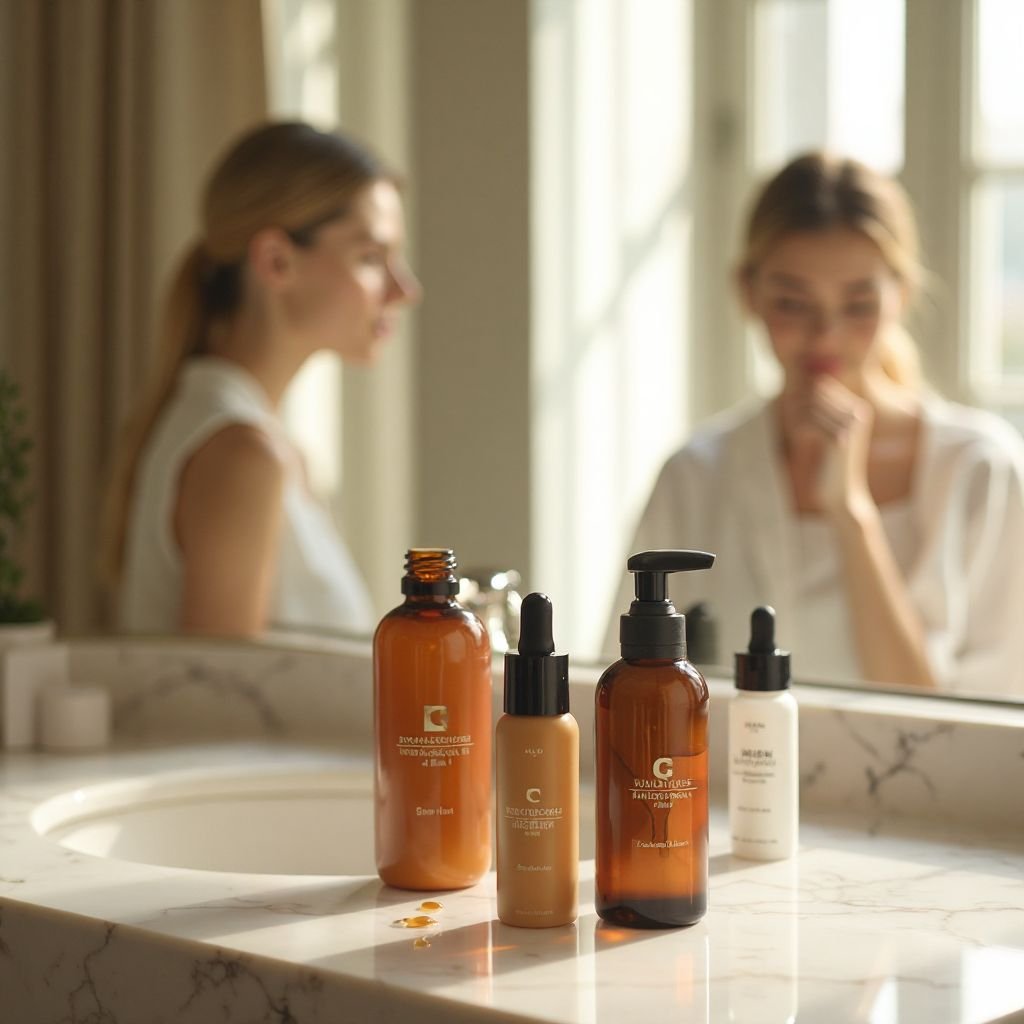
How to Choose and Use Your Brightening Vitamin C Serum
1. Find the right form for your skin: If you tolerate actives well (and want max speed), target THD ascorbate at 20%+ or L-ascorbic acid at 10–20%. For sensitive skin types, gentler derivatives like SAP (e.g., TruSkin, Mad Hippie) reduce irritation.
2. Check the percentage and pH (if disclosed): L-ascorbic acid should be 10–20% with final product pH ≤3.5. Many brands skip this info—don’t spend premium prices for secret formulas.
3. Assess packaging: Prioritize opaque, airless bottles with minimal exposure to air and light. Clear dropper serums often oxidize fast, losing potency (and may sting more).
4. Scan for co-antioxidants: Look for vitamin E and ferulic acid. These not only boost brightening but also stabilize vitamin C as proven in clinical benchmarks like SkinCeuticals C E Ferulic.
5. Layer correctly: Use your serum on dry skin AM (or AM+PM if not irritating) under sunscreen. Avoid direct layering with exfoliating acids or retinoids until your skin acclimates.
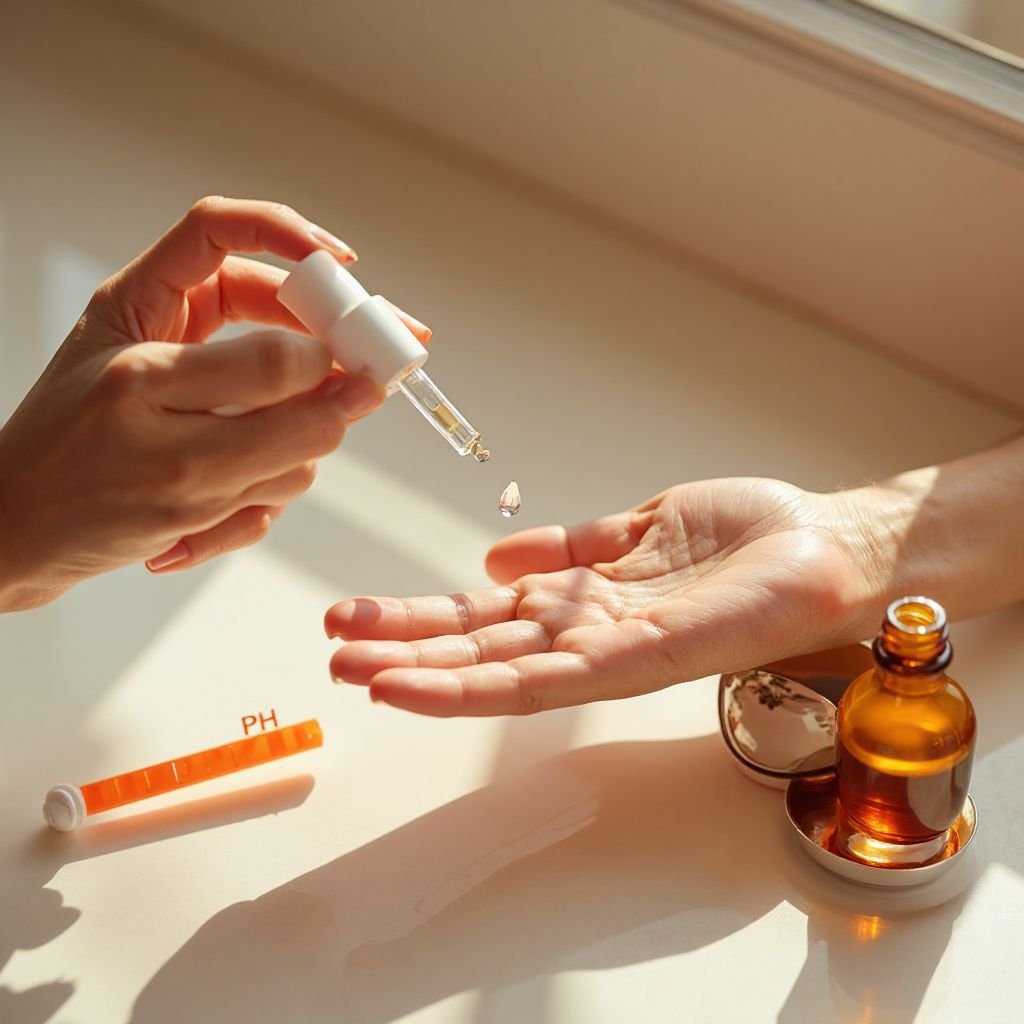
6. Track your results: Take no-makeup baseline photos in natural light, then check progress at 4, 8, and 12 weeks. Most clinical improvements show by week 8–12, faster with THD ascorbate or fresh 10–15% L-ascorbic acid.
7. Edit your routine if irritation hits: If you notice stinging, redness, or dryness, step down to every other day or switch to a gentler vitamin C derivative. Always patch test new serums, especially if combining with other actives.
The right routine isn’t just about the serum. Solid hydration, a gentle cleanser, and sunscreen supercharge vitamin C results. For a full routine, explore our glass skin routine for beginners for layering tips.
Advanced Analysis & Common Pitfalls
Common Pitfalls:
- Invisible formulation gaps: Many bestsellers (including budget picks) fail to disclose exact vitamin C percentage, pH, or even bottle type. This makes it impossible to predict speed or safety—skin-savvy shoppers should dig deeper.
- Packaging that ruins potency: Consumer and chemist tests confirm L-ascorbic acid in clear bottles oxidizes in as little as 2–3 weeks (yellow→orange→brown), leading to loss of efficacy and increased chances of irritation. Always choose opaque/airless packaging. (see stability study)
- Irritation cycle for strong serums: Up to 55% of users in studies report stinging with high-concentration L-ascorbic acid, and redness in 24%. This usually improves after week 4, but not always. Sensitive skin? Derivative forms like SAP (TruSkin, Mad Hippie) minimize this risk (clinical review).
- Seeing no change? Don’t mix and layer actives randomly. Using a strong glow serum right after acids or retinoids can cause dryness or flare-ups. Less is often more, especially for sensitive skin.
- Assuming all vitamin C is equal: THD ascorbate (30%) outperforms L-ascorbic acid for deep pigment and is well-tolerated, while SAP is effective but acts slowly and lacks independent big clinical trials. TruSkin’s SAP serum is gentle and popular but does not publish concentration or pH (see critique).
| Product | Vitamin C Type | % (if disclosed) | pH (Disclosed?) | Packaging | Expected Timeline | Pros | Cons / Missing Info |
|---|---|---|---|---|---|---|---|
| CeraVe Vitamin C Serum | L-ascorbic acid | 10% | No | Opaque tube | 8–12 weeks | Barrier support, affordable | No pH data |
| Maelove Glow Maker | L-ascorbic acid | 15% | No | Opaque pump | 6–12 weeks | Powerful dupe, E + ferulic | No pH data |
| SkinCeuticals C E Ferulic | L-ascorbic acid | 15% | ~3.0 (published) | Brown bottle dropper | 8+ weeks | Strong trials | May oxidize, expensive |
| TruSkin Vitamin C | SAP | Not disclosed | Not disclosed | Opaque pump | 10–12 weeks | Gentle, budget | No % or pH published, lacks RCT |
| THD Ascorbate Serums | THD Ascorbate | ~30% | No | Typically airless/opaque | 8 weeks | Most potent for PIH | May not be in budget |
For more in-depth routine and product breakdowns, see our complete glass skin guide and natural nail care tips (relevant for sensitive hands/skin pairing).

Conclusion
Choosing the best vitamin c serum for brightening is not about hype ingredients or high prices, but about matching the form, concentration, and packaging to your actual skin needs and goals. THD ascorbate at 30% remains the clinical heavy hitter for stubborn pigment, while 10–15% L-ascorbic acid in a stable bottle is your next best for fast results. Gentle SAP-based serums like TruSkin offer safety for sensitive skin but may work more gradually. For best results, double-check for transparent label info, patch test, and see your best skin emerge in 8–12 weeks. Be realistic—no serum erases spots overnight, but smart choices speed everything up. Ready to get started? Compare our quick picks above, or visit our Product Review hub for in-depth, honest testing and real results from everyday users.
FAQ
How can I tell if my vitamin C serum has oxidized?
If your serum turns from clear or pale yellow to dark yellow, orange, or brown, it’s oxidized. You may also notice a metallic or sour smell. Oxidized serum loses efficacy and may cause irritation—switch to a new bottle for best results.
How long before I see results with a vitamin C serum?
Most users report visible brightening and dark spot fading after 8–12 weeks of daily, consistent use. Some fast-acting THD ascorbate serums can deliver improvements as early as 8 weeks.
What’s the best way to store a vitamin C serum?
Always store in a cool, dark place—ideally the fridge. Keep the cap tightly closed and avoid leaving the bottle open or in bright light. This slows down oxidation and preserves potency.
Can I use vitamin C serums with retinoids or acids?
It’s safest to use them at different times—vitamin C in the morning, retinoids/acids at night. Layering these together can raise irritation risks, especially with strong glow serums. Introduce slowly and patch test.
Is TruSkin vitamin C serum safe for sensitive skin?
Yes, TruSkin uses SAP, a stable and gentle derivative. However, the exact strength and pH are not disclosed. Most users report little to no irritation, but always patch test new products first and check other sensitive skin recommendations if you react easily.