

Best foundation for dry skin 2026 is on every shopper’s mind—especially if you want hydration, smooth coverage, and gentle wear that won’t highlight flakes or irritate sensitive or mature skin. If you find that most foundations leave your skin looking patchy or don’t last, this 2026 evidence-based guide will help you avoid the same old mistakes, choose smarter, and make your makeup routine work for your real life.
Key Takeaways
- 2026’s best picks are “hybrid” foundations that combine skincare actives for hydration, barrier support, and SPF in flexible formulas.
- Prioritize formulas with humectants and barrier lipids to avoid patches, dryness, and settling into lines.
- Real-world application and ingredient awareness matter as much as the product itself—layer correctly and check for potential irritants.
- Why 2026 is dominated by “hybrid” hydrating foundations
- How to choose & use the best foundation for dry skin: proven steps
- Advanced analysis & common pitfalls dry skin shoppers face
- Conclusion: What to do next
- FAQ: Dry skin foundation questions answered
Why 2026 is dominated by “hybrid” hydrating foundations
Hybrid hydrating foundations exploded in 2026, led by brands like Armani, Nars, L’Oréal, and IT Cosmetics. These formulas offer serum-like textures, barrier support claims, and often include antioxidants or SPF. Consumers with dry, sensitive, or retinoid-treated skin drive this trend. Why? Traditional matte or full-coverage foundations often exaggerate dry patches and lines, while layered skincare plus foundation can cause pilling, caking, or breakouts. Hybrids blend the best of both worlds—moisturizing actives plus flexible, luminous coverage—lowering the risk of visible flaking, caking, or irritation.
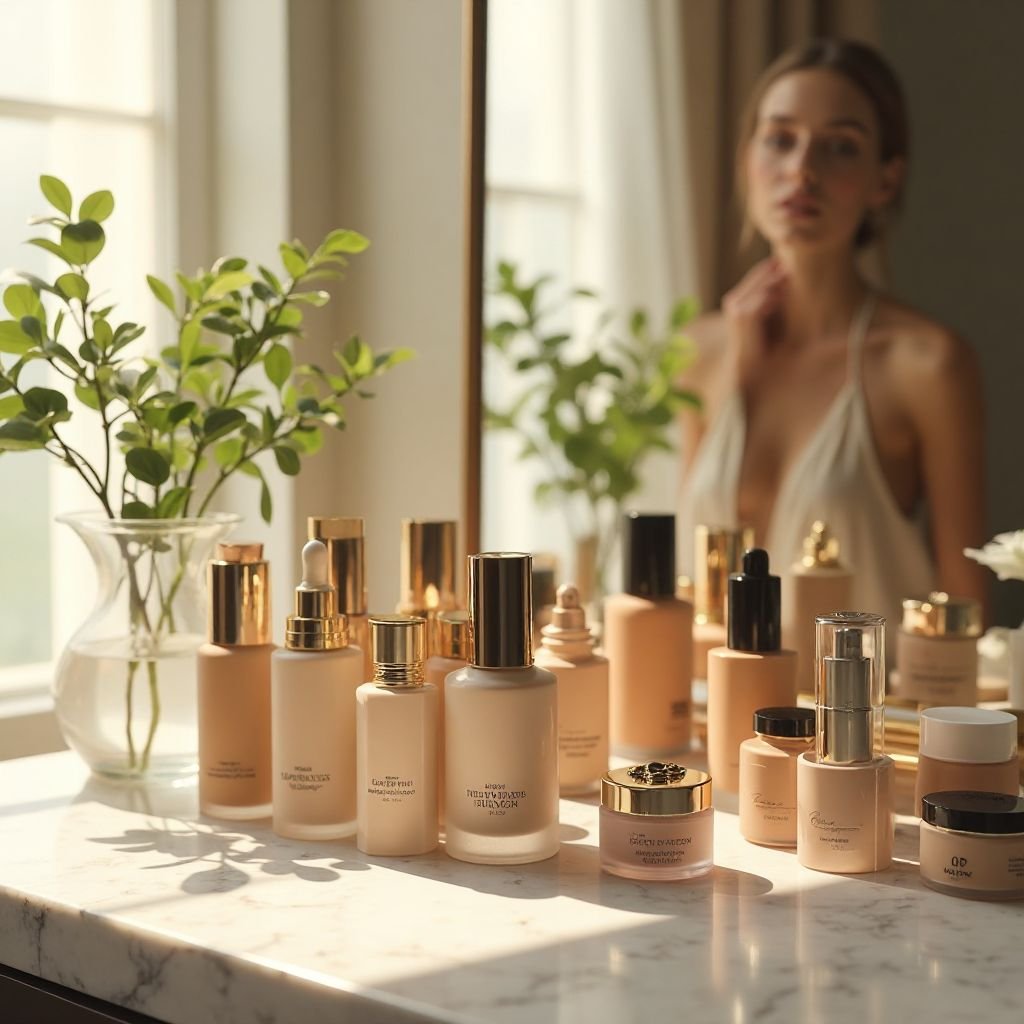
According to industry award panels and trend reports, “Top 2026 hydrating foundations for dry skin are dominated by ‘hybrid’ makeup–skincare formulas from brands like Armani, Nars, IT Cosmetics, L’Oréal and newer barrier-support lines.”
How to choose & use the best foundation for dry skin: proven steps
Start by picking foundations made for hydration and barrier support rather than matte, oil-absorbing, or powder-based types. Look for ingredients like hyaluronic acid, squalane, glycerin, ceramides, niacinamide, and peptides. Here’s a stepwise protocol, especially if you have very flaky, mature, or retinoid-treated skin:
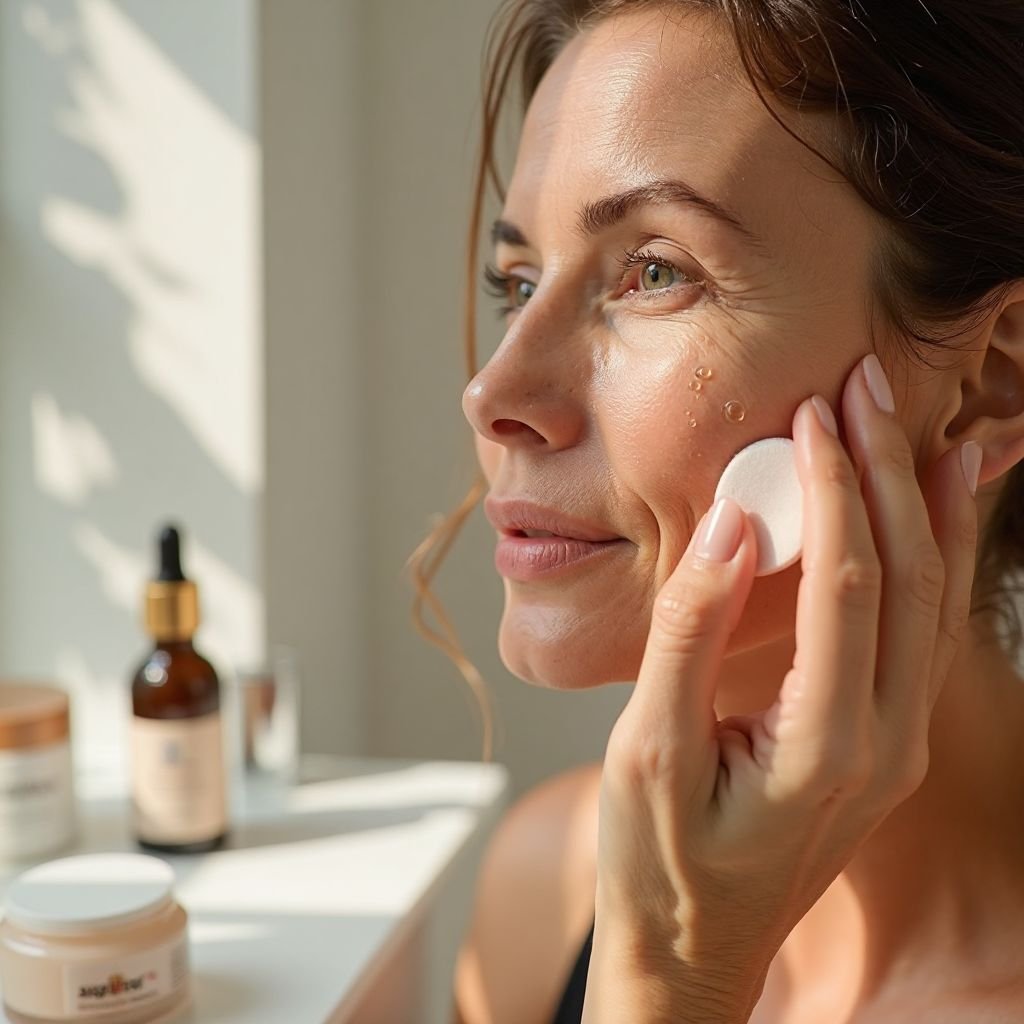
- Prep Your Skin: Use a hydrating, fragrance-free moisturizer or barrier repair cream (let it absorb fully). Avoid heavy occlusives under makeup—they often cause pilling.
- Prime Smart: If you need a primer, pick a silicone-free, hydrating formula.
- Apply in Thin Layers: Use a damp sponge or soft brush to tap on foundation, starting light and building only as needed. Focus on blending into dry spots—not rubbing.
- Midday Touch-Up: Press (never rub) a bit more foundation only onto faded patches if needed, or use a hydrating mist to soften flaking areas before reapplying.
- Build Over Time: If switching formulas, patch-test for a week—look for redness, itching, or new flakes, especially if you use retinoids or acids.
- Try real shopper reviews for honest feedback on irritation, caking, and comfort across top 2026 launches.
- Read up on gentle foundation prep with our primer guide.
- Get seasonal, skin-safe makeup tips in our sensitive beauty essentials roundup.
- See “buildable coverage” in action with our long-wear setting powder reviews.
- Check our trend tutorials for barrier-friendly glam looks that work with dry skin.
Advanced analysis & common pitfalls dry skin shoppers face
Even with all the new tech and hydration claims, there are pitfalls most brands and guides leave out:
- Pilling when layered: Applying foundation over heavy or silicone-based skincare can cause annoying little rolls (pills).
- Clinging to flakes: Even dewy or moisturizing bases can exaggerate dry spots, especially if you try to “build” too much coverage over them.
- Caking and settling: Thicker formulas (even some “glowy” ones) often settle into fine lines on mature skin if you don’t layer slowly and dampen your applicator.
- Scent and alcohol irritation: A surprising number of “gentle” foundations still contain fragrance and volatile alcohols, which can trigger redness or peeling—especially in sensitive, eczema-prone, or rosacea-prone skin.
- Lack of ingredient detail: Many well-marketed “clean” or “barrier” formulas publish only partial ingredient lists. They might not reveal the actual percent of actives like ceramides or hyaluronic acid.
| Product | Best For | Key Actives | Coverage | Transparency | Price |
|---|---|---|---|---|---|
| IT Cosmetics CC+ Nude Glow | Dry, sensitive, mature | Hyaluronic acid, niacinamide, SPF | Medium, buildable | Full INCI, no % actives | Mid-premium |
| NARS Light Reflecting | Slightly dry, normal–dry, combo | Glycerin, vitamin C, squalane | Medium, radiant | INCI published, no % | Prestige |
| Armani Luminous Silk | Most dry–normal, mature | Glycerin, lightweight oils | Medium | Full INCI, no % | High |
| L’Oréal Age Perfect Radiant Serum | Dry, mature, sensitive | Vitamin B5, glycerin, squalane | Light-medium | INCI, limited actives info | Affordable |
| Barrier/serum tints (varied brands) | Very flaky, reactive | Ceramides, peptides, HA | Light | Varies | Wide |
Both pros and reviewers agree: “Recurring negative themes: ‘Too dewy’ or greasy sliding off, caking/settling into fine lines, buildable coverage clinging to flakes, pilling when layered, and irritation from fragrance or alcohol.” (source)
Conclusion: What to do next
If you want a comfortable, hydrating base that truly lasts, don’t just buy the first foundation with a “dewy” claim. Test ingredients for your needs, layer only what you need, and sharpen your routine against real-world feedback—especially where brands stay vague. For more help, check current shopper reviews and ingredient spotlights in our beauty product reviews or dive into seasonal skin-friendly tips. The best foundation for dry skin 2026 will give you hydrated comfort and confidence every day—if you choose carefully, prep well, and stay ingredient-aware.
Ready to find your match? Start your shortlist with the options above, or jump into our unbiased review hub for honest pro tips and real-user tests.
FAQ: Dry skin foundation questions answered
Will SPF in foundations make my skin drier or cause pilling?
SPF filters themselves do not dry out skin, but layering too many silicone-based products—like sunscreen plus a silicone-primer and foundation—can cause pilling. Let each layer set before applying the next, and consider a one-step hybrid with built-in SPF if you’re sensitive.
Can you get true full coverage and still avoid dryness and flaking?
You can, but the key is layering: build coverage gradually with a damp sponge, avoid over-applying to flaky areas, and use formulas emphasizing humectants (HA, glycerin) and barrier lipids (ceramides, squalane).
Do dewy and radiant foundations always last on dry skin?
No—some can slide or disappear, especially on combination or mature skin. Choose a formula with film-formers that flex and gently powder zones prone to fading.
How do I stop foundation clinging to flakes (especially after retinoids)?
Prep your skin with a repair moisturizer, exfoliate gently (no harsh scrubs), and use a mist with humectants before applying. Tap foundation in thin layers and never try to “hide” major flakes by piling on coverage—less is often more.
Where can I find more ingredient-by-ingredient reviews and barrier-friendly guides?
See our full product review page, or explore guides for sensitive-skin removers and pore-friendly primers.