

Slugging skincare routine explained: This guide breaks down the science, benefits, and risks of “slugging” so you know when to use it — and just as importantly, when to avoid it.
Key Takeaways
- Slugging works by applying an occlusive like petrolatum overnight to reduce water loss and speed up barrier repair in dry or damaged skin.
- Strong evidence supports slugging for dry or barrier-compromised skin, but there are risks and less proof for those with oily or acne-prone skin.
- Choosing the right product — pure Vaseline versus a ceramide ointment — impacts results, especially if you have sensitive, acne-prone, or very dry skin.
- What is “slugging” and why people do it
- How to slug correctly — a practical overnight routine and safety steps
- Advanced analysis & common pitfalls
- Conclusion
- FAQ
What is “slugging” and why people do it
Slugging refers to applying a thick, occlusive layer — usually petrolatum (like Vaseline) — as the final step in your evening skincare. The aim is to seal in moisture and help repair your skin’s barrier, especially if you have dryness, flaking, or irritation. According to Cleveland Clinic, slugging is simply putting petroleum jelly on your face overnight to minimize water loss and assist in damage repair. People try slugging mostly because social media claims it transforms dry, dull, or “damaged” skin by trapping all the hydration beneath this “seal.”

The real mechanism is simple: occlusives form a physical barrier to slow down water evaporation (transepidermal water loss) from your skin, creating a mini-environment for better barrier repair. Clinical studies confirm that petrolatum can accelerate recovery of disrupted skin and boost natural repair markers — but results are most robust in dry, damaged skin, not in healthy or already oily skin types (PubMed 1564142).
How to slug correctly — a practical overnight routine and safety steps
Ready to try the slugging overnight routine? Follow these science-backed steps to minimize risk and maximize results — especially if your skin is dry, flakey, or easily irritated.
- Cleanse: Remove all makeup and dirt with a gentle, non-stripping cleanser.
- Treat: If you use hydrating serums or a moisturizer, apply that first and let it absorb fully (wait at least 5 minutes).
- Spot/Full Coverage: Use a thin swipe of petrolatum (pea-sized for the entire face) — or apply only to dry spots.
- Pillow Protection: Consider using a silk pillowcase or an old T-shirt on your pillow to minimize product transfer.
- Frequency: 2-3 times per week is enough for most. Those with very dry skin can try nightly, but monitor how your skin responds.
- Morning Rinse: Use a gentle cleanser to remove leftover film before applying sunscreen or makeup.
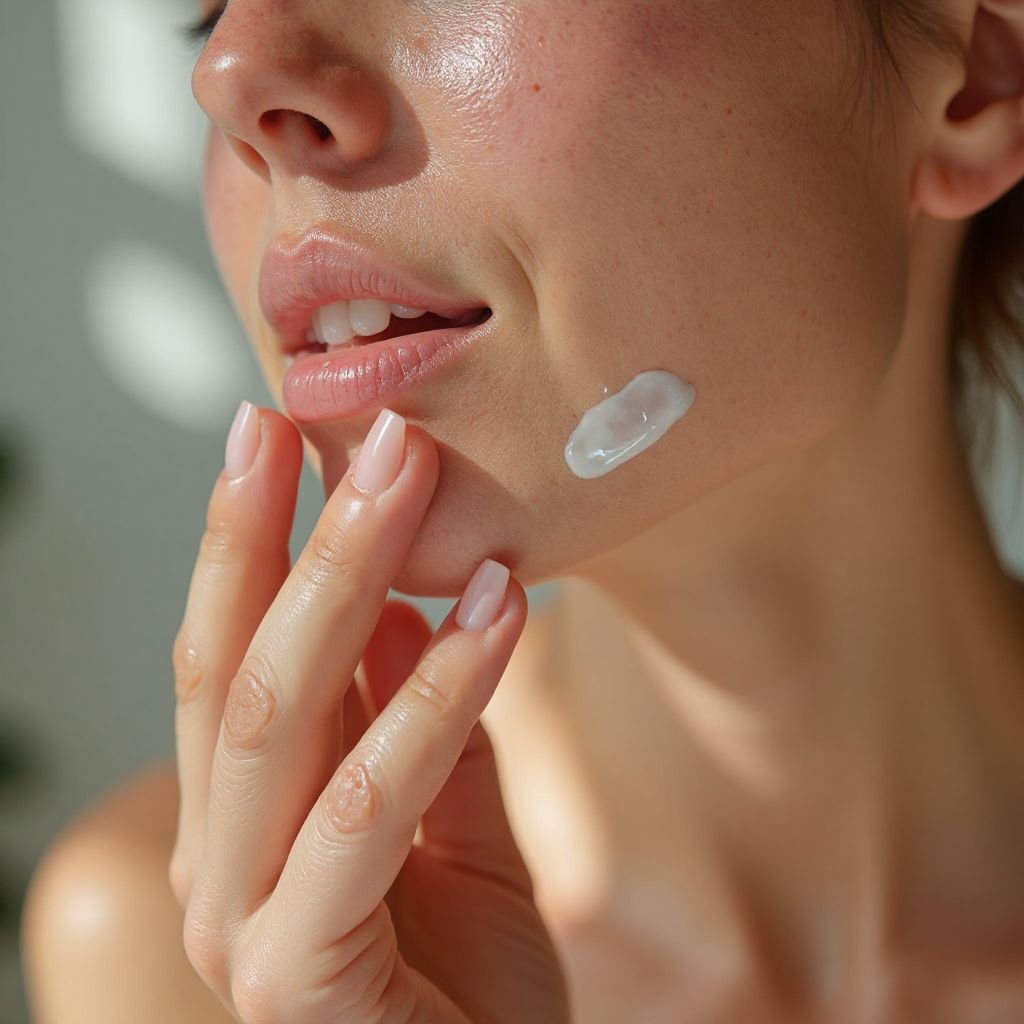
Important Safety: Avoid layering strong actives (retinol, acids, vitamin C) just before slugging, since occlusion can intensify their penetration and lead to irritation. For acne-prone users, there’s no clinical trial data showing slugging is unsafe — but experts strongly recommend patch testing and conservative use (Cleveland Clinic).
For more tips, see our skin cycling routine for beginners to alternate treatments safely.
Advanced analysis & common pitfalls
Slugging seems simple, but it’s not risk-free. Here are the most common complaints and realistic problems, with the evidence behind each:
| Issue | Evidence/Notes |
|---|---|
| Breakouts & clogged pores | Most data is anecdotal. Cleveland Clinic says those with oily or acne-prone skin should slug only small areas. No direct clinical trials confirm a higher acne risk. |
| Sealing in dirt or irritants | Dermatology guidance warns: always slug on clean, product-free skin to avoid trapping irritants under the occlusive. |
| Greasy residue & bedding stains | Common user complaint, not quantified in studies. Using a silk or dedicated pillowcase and limiting product amount helps. See our silk pillowcase guide. |
| Choosing the wrong product | Vaseline is 100% petrolatum and maximizes sealing. CeraVe Healing Ointment blends petrolatum (46.5%) with ceramides, cholesterol, and humectants for added repair. No studies currently prove one best for all skin types, but barrier-lipid blends can benefit extra-dry, sensitive skin [CeraVe ingredients]. |
There are also some long-term unknowns. No controlled studies have tracked routine, full-face slugging for years. Most available evidence is from dry or barrier-damaged populations, not those with acne or healthy skin (PubMed 26431582).

Alternatives exist — including mineral oil ointments, dimethicone blends, or ceramide creams (learn more in our foundation for dry skin and nail polish remover for sensitive skin reviews) — but none outperform petrolatum for sealing in moisture, though lipid creams serve other repair roles.
Keep in mind that while Unilever reported double-digit Vaseline growth and over €1B in turnover in 2023, with #slugging driving huge TikTok visibility, there is no proof that slugging alone is responsible for this surge.
Conclusion
Slugging remains a straightforward, evidence-based option for short-term relief of dry, barrier-compromised skin. The main benefits — water retention and faster repair — are well supported for dry types, but less so for those with oily or acne-prone skin. The right approach uses the correct product, the right frequency, and careful attention to skin signals and hygiene.
Want to try the slugging skincare routine explained here? Start with a spot test on dry patches, avoid actives before slugging, and track your results for irritation or breakouts. If you want honest comparisons of skincare staples from real users, check out our product review page.
FAQ
Is slugging safe for acne-prone skin?
Evidence is limited. Experts advise caution: only use a small amount and patch test. There’s no direct clinical data proving more acne, but occlusion can trap oil or dirt if skin isn’t very clean.
Can I slug every night?
It’s safe for most with dry or barrier-compromised skin, but check skin response. 2-3 times per week is often plenty. Daily use is not proven necessary (or better) for everyone.
What’s the difference between Vaseline and CeraVe Healing Ointment for slugging?
Vaseline is pure petrolatum. CeraVe adds ceramides, cholesterol, and humectants. Both seal in moisture, but CeraVe provides some barrier-repair ingredients. No clinical trial proves one is clearly superior.
Should I apply actives (like retinol) before slugging?
Dermatologists recommend caution because occlusion can increase irritation from actives. Either skip actives on slugging nights or apply them well before and monitor any reaction closely.
Does slugging work for everyone?
No. It’s best for dry or damaged skin barriers. Those with oily, very sensitive, or active acne may notice side effects or little improvement. Always spot test first.