

Best nail strengthener for peeling nails: If your nails are constantly peeling nails after regular manicures, switching products without seeing results, and want dermatology-backed advice, this guide will show you exactly what works and what to avoid—for true repair, not just surface shine.
Key Takeaways
- Peeling nails need hydration first; brittle, breaking nails may need reinforcing formulas.
- Formaldehyde-based nail strengtheners can make peeling/brittleness worse—hydrators and gentle cross-linkers are safer for most.
- Clinically backed actives like hyaluronic acid, Pistacia lentiscus gum, and oral collagen peptides offer measurable results if used consistently for 3–6 months.
- Quick verdict — Peeling nails need hydration; breaking/brittle nails may need reinforcement
- How to choose the right product — a simple decision tree
- Why some nail strengtheners make peeling worse — common complaints and safety red flags
- Summary: Repairing and strengthening peeling nails safely
- FAQ
Quick verdict — Peeling nails need hydration; breaking/brittle nails may need reinforcement
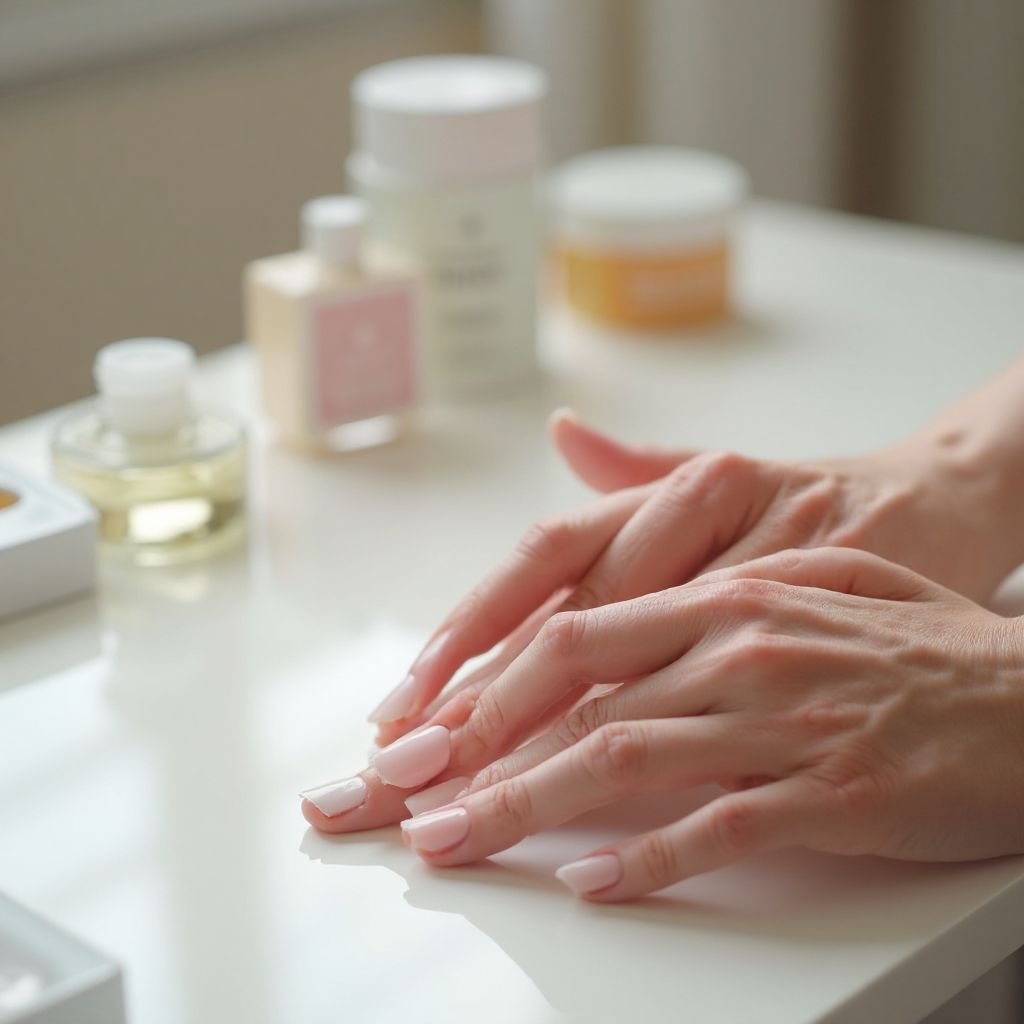
Heavily peeling nails are not the same as brittle or breaking nails. Peeling means the nail’s layers are separating, usually from moisture loss or repeated manicures. Brittle nails break or snap because of weak internal structure, not just dryness.
For peeling nails, evidence shows the best nail strengthener for peeling nails involves hydration—look for glycerin, mineral oil, or hyaluronic acid. Brittle nails need cross-linking actives like calcium or reinforcing nylon, sometimes found in “brittle nail repair” formulas.
Dermatologists recommend hydrators first for peeling and cross-linking strengtheneners only for pure brittleness and breaking.
How to choose the right product — a simple decision tree
Ready for action? Here is a precise, no-fuss roadmap to fix peeling or brittle nails safely—especially if you’re an Emma: a busy pro sometimes stuck in the manicure cycle.
-
Diagnose your issue:
- Peeling: multiple layers separating, flaking, or shattering.
- Brittle/Breaking: nails snap, crack, or split without layers lifting.
-
Pick the right product type:
- Hydrating base coat (look for HA, glycerin, Pistacia lentiscus gum, mineral oil): for peeling nails.
- Gentle cross-linker strengthener (calcium, nylon, NO formaldehyde): for breaking, brittle nails only.
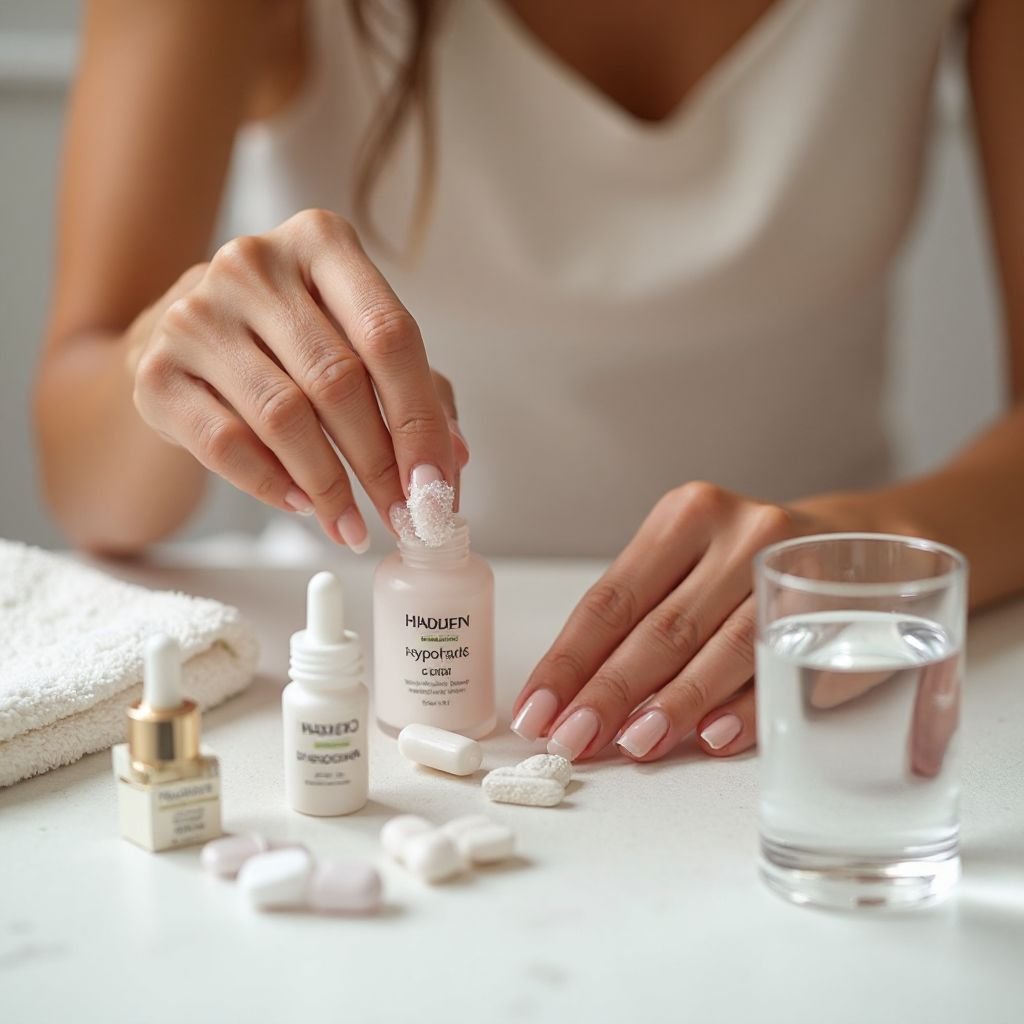
- Oral bioactive collagen peptides: for chronic, persistent weakness or all-over thinness.
- Protective base coat: essential if you polish regularly.
- Test for sensitivity: Always patch-test new formulas—especially if you’ve had allergic reactions before.
- Plan your timeline: Real results take 3–6 months of consistent use (not 1 week).
Want more deep-dive product guides? Check out the GlamThera Product review page for honest, lab-tested beauty experiences.
Why some nail strengtheners make peeling worse — common complaints and safety red flags
Most people expect any nail strengthener for weak nails to improve health, but the wrong choice can cause more peeling, shattering, or even allergic reactions.
Key pitfalls:
- Over-hardening: Products with formaldehyde lock in stiffness but make layers inflexible—leading to flaking, shattering, and continued peeling (source).
- Drying ingredients: Repeated acetone or aggressive removers strip moisture, making “hard” products worse long-term (AAD recommendation).
- Allergen risks: Formaldehyde can cause contact allergy, leading to pain, discoloration, and worsening nail quality (today.com).
- Toluene risk: Some formulas use toluene, which has potential systemic toxicity.
| Formulation Type | Best Use | Risks/Cons | Evidence |
|---|---|---|---|
| Hydrating base coat (glycerin, HA, Pistacia gum) | Peeling, flexible nails | Need reapplication, little instant hardness | +7.5% nail thickness; 76% clinical improvement1 |
| Gentle cross-linker (calcium, nylon) | Brittle, breaking nails | Watch for overuse/dryness | Dermatologist-approved2 |
| Formaldehyde-based hardener (e.g., OPI Nail Envy) | Selective, short-term strengthening | Brittleness, increased breakage, possible allergy | Common complaints3 |
| Oral collagen peptide supplement | Chronic thin/weak nails | Cost, time to see effect | +12% growth, 42% fewer breaks4 |
1HA + Pistacia study |
2today.com |
3user reviews |
4VERISOL BCP study
Special note: OPI Nail Envy and similar “hardener” brands often get mixed reviews—some nail techs recommend them for ridges and bends, but peer testimonials show increased peeling for others. If you want a balance of strengthening and hydration, or need formaldehyde-free options, see these alternatives.
For anyone with chronically peeling nails or experiencing reactions, connect with a dermatologist for expert help and patch-test every product.

Summary: Repairing and strengthening peeling nails safely
The key to finding the best nail strengthener for peeling nails is to match your problem (peeling versus brittleness) to the right ingredient strategy—hydrators first for peeling, cross-linkers for true breakage, and oral supplements for chronic thinness. Avoid over-hardening agents if your nails are flaking, and expect results to build over months, not days.
Make maintenance a habit: moisturize daily, limit acetone and harsh removers, and patch-test any new formula. Ready for the next step? Grab a clinical hydrator or peptide supplement, and see our in-depth reviews or try healthy polish picks for short nails to keep your new strength protected.
FAQ
Will a strengthener fix peeling nails?
Only the right type. If you use a hydrator-based product (with glycerin, hyaluronic acid, or mineral oil), you can improve flexibility, reduce peeling, and restore thickness over 3–6 months. “Hardener” formulas with formaldehyde could make it worse.
Are formaldehyde-based products like OPI Nail Envy safe?
Formaldehyde-based nail hardeners work for short-term stiffness but are linked to increased brittleness, shattering, and possible allergic reactions if overused. Safer to use alternatives that hydrate or reinforce with calcium/nylon—especially for peeling nails. Always patch-test.
How long before I see results with nail treatments?
Clinical studies show improvement in thickness and breakage with daily use over 3–6 months. Do not expect full recovery in less than a month, especially for severe peeling or chronic damage.
Should I try oral collagen supplements for nail strength?
If your nails stay weak despite topical care, oral bioactive collagen peptides (VERISOL) are clinically shown to boost nail growth by 12% and reduce breaks by over 40%. Best combined with topical hydrators for maximum impact.
What’s the best base coat for nails if I do gel or press-on manicures?
Look for formaldehyde-free hydrating base coats to condition and protect the nail plate, especially if you wear gel, polish, or press-on nails regularly. They lock in moisture and provide a safe barrier.