

Best hair dryer brush combo is now the must-have upgrade for anyone chasing a fast, healthy at-home blowout—without risking serious long-term hair damage. Whether you’re overwhelmed by choices or worried about safety and performance, this direct guide cuts through the hype and helps you buy smart in 2026.
Key Takeaways
- The hot air brush market is booming, but not all 2-in-1 tools are gentle enough for daily use—know what specs and safety features to look for.
- Materials, adjustable heat, and ergonomic design matter just as much as price—skip no-name models for long-term hair health and peace of mind.
- Common buyer mistakes like using high heat on fine hair or skipping safety checks can cause avoidable breakage and scalp discomfort.
- Market snapshot — why hot air brushes are the growth category to watch
- Who should buy a hair dryer and brush in one (use-case framing)
- Technical buying guide — power, heat control, and what those specs mean for hair health
- Materials & tech explained — barrels, bristles, ceramic/titanium, and ionic claims
- Real user pain points — what negative reviews reveal and how to avoid them
- Revlon One-Step long-term review — value pick but with documented caveats
- Price ladder and where value meets performance in 2026
- Match the brush shape, size, and bristles to your hair type
- Safety and long-term hair health — topics competitors under-cover
- Quick recommendation matrix — best pick by priority and hair type
- Final buying checklist & short FAQ
Market snapshot — why hot air brushes are the growth category to watch
In 2026, choosing the best hair dryer brush combo is not just stylish—it’s smart. This market is projected to surge from $1.8 billion in 2025 to $3.2 billion by 2034, riding a 6-7% CAGR. Round-barrel models, in particular, are outpacing the rest of the category with nearly 10% CAGR, thanks to demand for at-home salon blowouts, particularly across North America, Europe, and rising in Asia-Pacific. [Source] If you want the latest in hair tech, now’s the time—features once exclusive to salons are rapidly making their way into home tools.
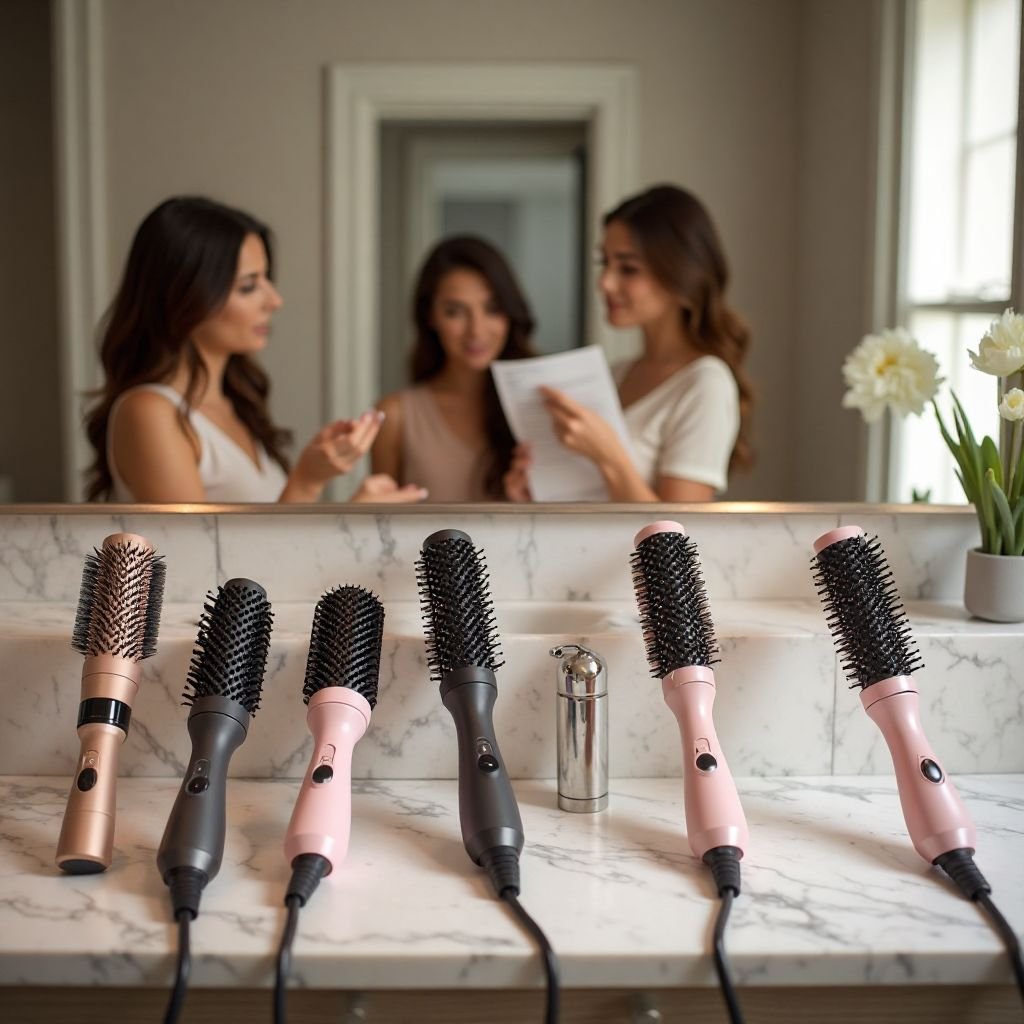
Who should buy a hair dryer and brush in one (use-case framing)
Wondering if a hair dryer and brush in one is right for you? Here’s who benefits most:
- Speed seekers: Need a faster blowout? These tools combine drying and styling in a single pass.
- Minimalists: Replace both a round brush and blow dryer for easy storage and travel.
- Budget buyers: Entry options like Revlon One-Step start around $40-$70; mid-range picks from Amika and BaBylissPRO are $70–$150.
- Premium shoppers: Tools like Dyson Airwrap ($650) justify their price with heat sensors and multiple styling modes.
But: If your hair is extremely thick, curly, or highly damaged, traditional dryers plus round brushes may still outperform. Multi-function brushes sit between basic styling and true salon results—know your priorities.
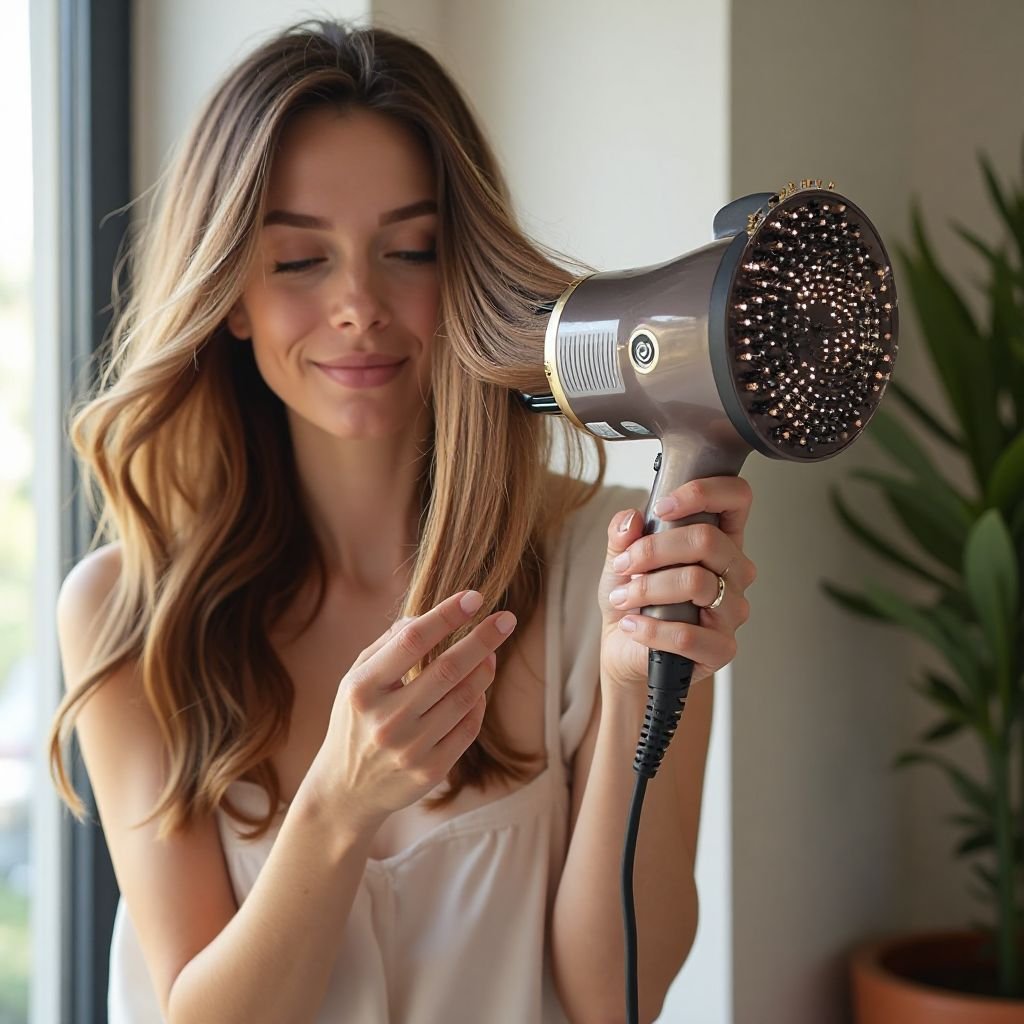
Bonus tip: If your roots still feel damp after one pass, section your hair and start at the nape, then move forward—don’t overload the barrel with too much hair at once.
Technical buying guide — power, heat control, and what those specs mean for hair health
Specs make the difference between “salon blowout” and long-term damage. “Best hair dryer brush combo” models range from 1000–1300W (Revlon: ~1100W; Dyson: ~1300W). Wattage affects speed, but high numbers aren’t always safer. [Market Data]
- Heat control: Look for adjustable heat and temp sensors. Premium tools cap temps around 302°F / 150°C, while some budget barrels run hotter, increasing risk for breakage—especially for fine or processed hair.
- Safety tip: Heat sensors and cool-shot modes protect against long-term dryness and split ends.
- Comfort check: Ergonomic handles and reasonable weight are crucial for longer styling sessions. Bulky designs are a constant complaint (see our hair clips for thick hair guide for tools that improve dexterity).
| Product | Wattage | Heat Settings | Barrel/Tech | Ionic? | Price |
|---|---|---|---|---|---|
| Revlon One-Step | ~1100W | 3 | Oval, Ceramic + Nylon | Yes | $40-$70 |
| Amika Blow Dry Brush 2.0 | ~950W | Multiple | Oval, Ceramic | Yes | $100 |
| Drybar Double Shot | ~1300W | 3 | Oval, Ceramic + Nylon | Yes | $150 |
| Dyson Airwrap | ~1300W | Advanced | Multiple Attachments | Yes (Active) | $650 |
Quick heads-up: High surface temps and fixed heat are the #1 cause of breakage in brush blow dryer reviews. For safer styling, always start on low or medium heat—especially if you color, highlight, or bleach your hair.
Materials & tech explained — barrels, bristles, ceramic/titanium, and ionic claims
Not all barrels are created equal. Ceramic coats distribute heat evenly and are best for minimizing hot spots—great for daily use. Titanium heats up faster and hotter, which can speed up straightening but is riskier for delicate or color-treated hair. Some barrels report temps over 400°F, potentially leading to severe dryness. Ionic tech, now near-universal in hot air brush 2026 models, helps reduce static and frizz—a benefit for anyone battling humidity or flyaways.
Mixed bristles (nylon plus soft tufting) help detangle and add shine. Stiff bristles add tension for coarse hair, but can feel scratchy. Always check the barrel coating and bristle mix before buying—a detail comparing well in long-term reviews.
Real user pain points — what negative reviews reveal and how to avoid them
User complaints cluster around the same issues: excessive heat, hair breakage, barrel bulk, and noisy motors. Major forums and retailer reviews warn about heat damage after repetitive use, especially when tools lack temp regulation. In 2025, safety alerts caught off-brand brush blow dryers that failed electrical standards—risking shock and fire.
- How to avoid: Stick to branded models with clear safety certifications. Avoid the cheapest listings lacking immersion protection.
- Use lower or medium heat on fragile hair; always keep the brush moving, and avoid wrapping hair tightly around the barrel.
- Section hair to reduce time spent on each pass and limit direct barrel-to-scalp contact.
For more tips on avoiding heat damage, see our hair towel for curly hair and silk pillowcase guides.

Revlon One-Step long-term review — value pick but with documented caveats
The classic Revlon One-Step stays a favorite for budget shoppers thanks to its fast results and visible volume, performing best on medium to thick hair. Long-term reviews, however, repeatedly flag that it “gets very hot” and can stress fine or damaged hair—especially if used daily on high. Always start low and use a heat protectant. If you’re ready to invest more, premium tools from Amika, Drybar, or Dyson deliver salon results with better (safer) heat control, lighter weight, and advanced tech. No matter what you choose, weigh both your hair type and styling habits.
Your perfect style starts with a strong finish—protect your hair and your purchase. If you want more “real talk” beauty product reviews, check out the GlamThera Product review page.
Looking for more volumizing options? See our guide to best volumizing shampoo for fine hair and best hair serum for split ends.
For anyone concerned about price, safety, and results, the best hair dryer brush combo lets you cut styling time and risk—if you buy wisely.
Ready for a new blowout routine? Bookmark or print the buying checklist and shop thoughtfully—your hair (and wallet) will thank you.
Final buying checklist & short FAQ
One-page printable checklist for choosing the best volumizing brush:
- Wattage: 1000–1300W for effective drying
- Heat/speed: At least 2–3 adjustable settings
- Material: Look for ceramic (gentle) or titanium (faster)
- Ionic technology: Preferable for reducing frizz
- Barrel: Small (round) for short or fine; large (oval/vented) for thick/long
- Bristles: Soft or mixed for fragile; stiff for thick hair
- Weight: <2 lbs for ergonomic use
- Certifications: UL or ETL marks; avoid no-name imports
- Price: Budget ($40-70), mid ($70–150), premium ($250+), multi-styler (~$650)
Can I use a brush blow dryer every day?
Daily use is possible for most hair types, but always use on low or medium heat. Fine or processed hair benefits from breaks between uses, and applying heat protectant is advised.
How do I minimize heat damage from my hair dryer brush combo?
Let hair air dry to 70% first, use the lowest effective heat setting, keep the brush moving, and avoid overworking any section. Use ceramic/ionic models for further protection.
Is a round brush dryer better than a traditional hair dryer for volume?
For at-home convenience and extra lift at the roots, a round brush dryer can outperform a standard dryer, especially on medium to thick hair. For maximum drama or precise styles, pros sometimes use both.
What safety checks should I do before buying?
Confirm the tool is UL or ETL certified, has overheat protection, and features a cool tip. Read reviews for reports of electrical issues—avoid off-brand models without certifications.
Which brands are safest for fragile hair?
Premium picks like Dyson (with active heat regulation) and Amika (with ceramic barrels and ionic tech) are widely recommended. Revlon remains popular, but use with extra caution on damaged or thin hair.