

Korean skincare routine for beginners is one of the most searched beauty topics right now. If you want the coveted “glass skin” glow but feel overwhelmed or skeptical about long, complicated routines, this guide breaks it down into safe, proven, and budget-friendly steps—all backed by clinical evidence and real user experience.
Key Takeaways
- You do not need to follow a 10-step program. Beginners see better, safer results focusing on just 3–5 core steps.
- Barrier repair and daily sunscreen matter more than trendy extras; products like COSRX Snail 96 Essence offer clinically proven hydration—but are not miracle cures.
- Patch testing, low-and-slow introduction, and evidence-based product picks prevent irritation and disappointment, especially if you have sensitive or acne-prone skin.
- Why K‑beauty works — and how popular it is right now
- The beginner’s philosophy: simplify, not overwhelm
- The core, non-negotiable steps (what to always include)
- Three commonly misunderstood or skipped steps — and their real impact
- The COSRX starter routine — product picks and how to use them
- How to build a beginner-friendly kit (budget and mid-range options)
- Common beginner pain points — what users report and how to avoid them
- Glass skin: realistic outcomes, timelines, and reported side effects
- Sensitive and acne-prone skin: what top articles miss and safe choices
- What the clinical evidence actually supports (quick primer for skeptical readers)
- A 4-week starter plan (exact steps, schedule to add products, troubleshooting)
- Myths busted & quick FAQs
- Helpful resources, patch-test how-to, and further reading
Why K‑beauty works — and how popular it is right now
K‑beauty, or the Korean skincare routine, centers on hydration, gentle layering, and barrier support—aimed at long-term skin health, not quick fixes. The global K‑beauty market reached USD 14.69 billion in 2024, with Asia-Pacific alone holding over 35% market share. This surge shows K‑beauty routine steps are no longer a niche trend—they’ve become foundational for skincare beginners worldwide (source).
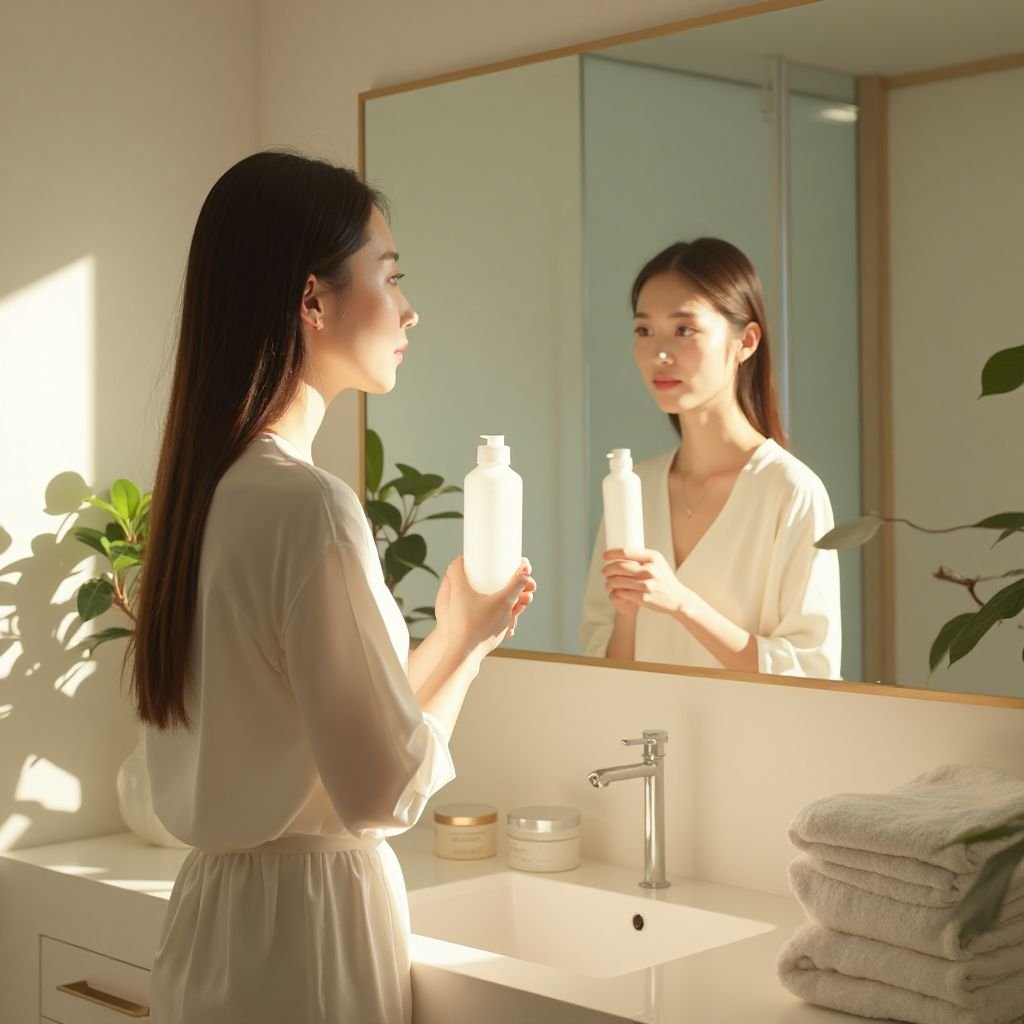
But while products like the COSRX Advanced Snail 96 Essence showed a staggering +196% hydration increase in small studies, experts and dermatologists highlight that realistic progress is slow but steady—not miraculous overnight. This approach supports hydration, barrier repair and modest texture improvement, helping both sensitive and acne-prone individuals.
The beginner’s philosophy: simplify, not overwhelm
If you’re a skincare-curious beginner, ignore the hype around the full 10 step Korean skincare routine. No clinical study supports 10 steps for beginners. What works is starting with 3–5 core steps: cleansing, hydration, barrier support, and sunscreen. Add new steps only once your skin is tolerating the basics (ideally, try one new product every two weeks and always patch test).
Trying to do all 10 steps at once increases the risk of irritation, breakouts, and quitting—especially for those with sensitive or acne-prone skin. Instead, focus on evidence-based, gradual layering and only move up if your skin stays happy.
The core, non-negotiable steps (what to always include)
For the Korean skincare routine for beginners, these K-beauty essentials are your anchor:
- Gentle cleanser (morning and night) to remove debris without stripping or stinging
- Hydrating essence or serum for extra moisture support; snail mucin, niacinamide, or centella work well
- Barrier-repair moisturizer hydrates and locks in water; choose non-comedogenic formulas for acne-prone or sensitive skin
- Broad spectrum sunscreen is critical every morning. No brightening serum can outdo daily photoprotection.
Multiple clinical reviews confirm these steps improve hydration, barrier repair, and even surface texture. Advanced add-ons—like actives for acne or hyperpigmentation—should come later and only after your skin has tolerated the basics for several weeks.
Three commonly misunderstood or skipped steps — and their real impact
Three K‑beauty routine steps are often misunderstood by beginners:
- Essence: Not just “fancy water.” Well-formulated essences (like COSRX’s) can boost hydration and reduce redness (+196% hydration in COSRX’s study). Skipping may cost you that “glowy” look.
- Sunscreen: Often skipped, yet daily SPF offers the most proven anti-aging and anti-pigmentation results—more than any other single step source.
- Chemical exfoliation: Korean acids are mild; overuse or skipping both lead to issues. Once or twice weekly is enough. Overdoing it can harm your barrier, skipping it completely may lead to clogged pores.
The COSRX starter routine — product picks and how to use them (step‑by‑step)
COSRX is a trusted brand for beginner-friendly Korean skincare routines. Start simple:
- COSRX Low pH Good Morning Cleanser (AM/PM)
- Advanced Snail 96 Essence (after cleansing)
- Snail 92 Cream (after essence, PM only if oily, AM+PM if dry)
- Sunscreen (last step in AM)
Try one new product every 2 weeks. Patch test each before full application. Overlap only after you confirm no reaction. COSRX reports +196% hydration and –80% redness from their snail essence after regular use (source), but ease in—especially if you have sensitivity or are new to snail mucin.
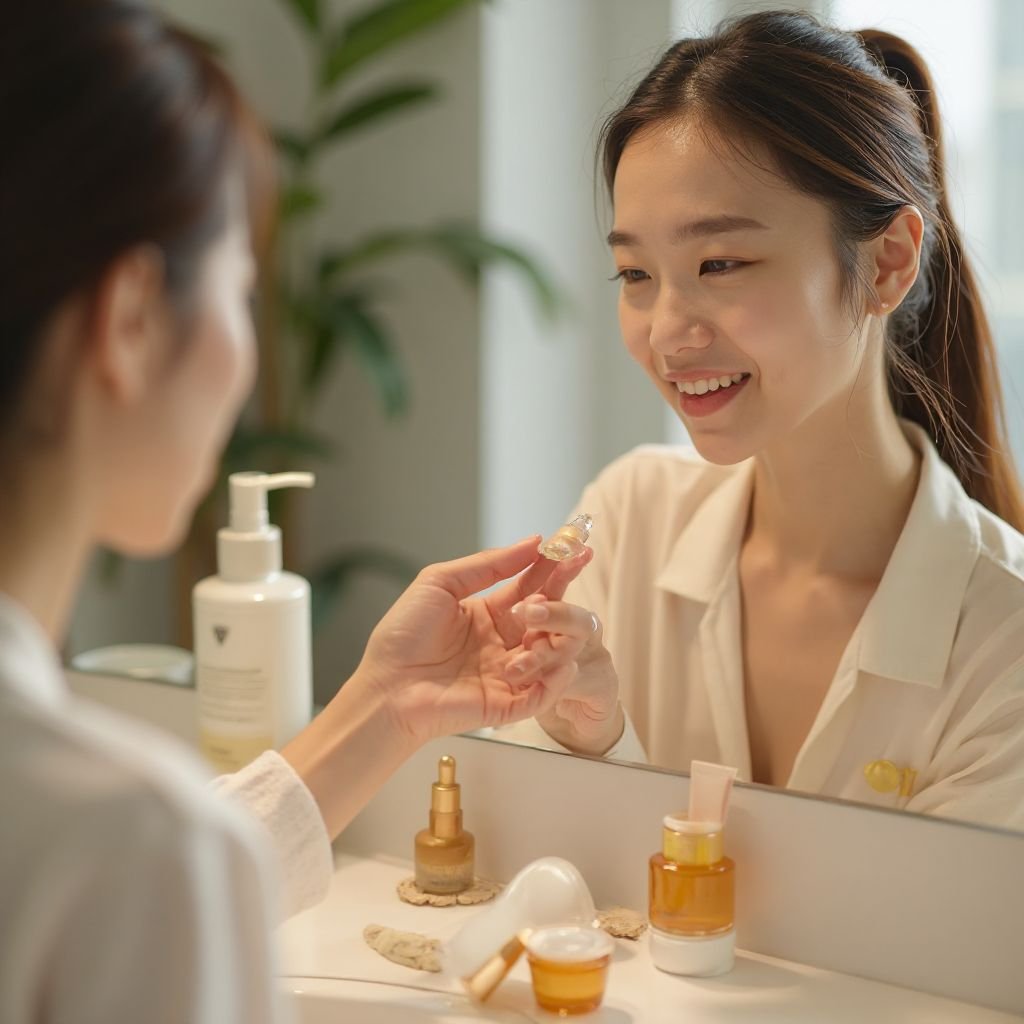
Want more routine inspiration? Check out our glass skin routine for beginners and skin cycling routine for beginners, both tailored for new users.
How to build a beginner-friendly kit (budget and mid-range options)
Building a starter kit doesn’t mean maxing out your card. Sample kit builds:
- Budget kit: Affordable foaming cleanser (like Some By Mi or The Face Shop), basic hydrating toner or essence, Cica/centella-based moisturizer, sunscreen (Missha or Etude House).
- Mid-range kit: COSRX Snail Gel Cleanser, Advanced Snail 96 Essence, Snail 92 Cream, and an upgraded sunscreen (Thank You Farmer or Beauty of Joseon).
Not sure what’s best for your needs? Explore our honest product review page for hands-on feedback, including on K-beauty and skincare routines.
Tip: Multi-taskers like COSRX essences and creams cover both hydration and repair, reducing total product count. No robust pricing study exists, but most beginners assemble a functional kit for well under $100 (source).
Common beginner pain points — what users report and how to avoid them
Even with a streamlined Korean skincare routine for beginners, common struggles include:
- Layering confusion—what goes when?
- Unrealistic glass skin expectations
- Over-hydration and stickiness from too many products
- Purging vs. irritation confusion (especially with acids and snail mucin)
| Pain Point | Root Cause | How to Fix |
|---|---|---|
| Layering confusion | Too many steps/unclear product types | Start with core routine; patch test; follow cleanse → essence → moisturizer → sunscreen |
| Breakouts/Irritation | Adding 2+ new steps at once | Introduce 1 new product every 2 weeks; stop all actives if stinging persists |
| No instant results | Marketing hype | Expect weeks to months for visible change; focus on feel and tolerance |
| Sticky skin | Overlapping too many hydrators | Reduce layers, use lighter textures, and pat in gently |
Not alone in feeling lost? You’re not. Read more on real user glass skin journeys for honest timelines and troubleshooting.

Glass skin: realistic outcomes, timelines, and reported side effects
Glass skin means hydrated, even skin with a smooth, light-reflective surface—not actual poreless perfection. Improvements from hydrating Korean glass skin routines are gradual: most see noticeable smoothness and glow in 2–8 weeks with consistent use (source).
Pitfalls? Allergic reactions to snail mucin, rare breakouts, or irritation from over-layering. Always patch test. Side effects are more likely if you have a mollusk or shellfish allergy. If you experience persistent stinging, redness, or new breakouts that don’t resolve, pare the routine back and consult a dermatologist.
Sensitive and acne-prone skin: what top articles miss and safe choices
Most viral how-to guides overstate snail mucin’s ability to treat active acne. Evidence supports its role for hydration and barrier support, but not as a cure for breakouts (source). For sensitive skin, patch test every new step. Safer choices include formulas with low-level niacinamide or centella. Avoid layering multiple acids or intense actives at once.
Reminder: If you have ongoing, severe acne, these routines support but do not replace medical therapy. For redness or irritation, focus on gentle hydrators (like hyaluronic acid serums), avoid fragrances, and skip unnecessary steps.
What the clinical evidence actually supports (quick primer for skeptical readers)
Curious about what ingredients and steps are genuinely proven?
- Snail mucin: Real clinical evidence supports +196–233% hydration and better barrier repair (in small trials)—mainly for dryness and redness, not acne or major wrinkle reduction.
- Niacinamide: Modest support for brightening and texture.
- Green tea, licorice, soy: Some published data for brightening and mild anti-aging; benefits are modest and slow.
- Sunscreen: The single most effective anti-aging, texture, and pigment-protection step (source).
There are no large, “gold standard” studies proving total transformations in days—evidence supports slow, steady improvements when steps are consistent and paired with photoprotection.
A 4-week starter plan (exact steps, schedule to add products, troubleshooting)
Want a foolproof roadmap? Here’s how to phase in your Korean skincare routine for beginners:
- Week 1–2: Gentle cleanse, basic moisturizer, sunscreen. Patch test essence and exfoliant somewhere discrete (like near jawline).
- Week 3: Add a gentle essence—apply nightly, then 2x/day if tolerated.
- Week 4: If no irritation, introduce a mild exfoliant (BHA/AHA) 1–2x/week max. Increase only if skin remains calm.
If you see new, persistent burning or bumps, revert to a basic routine; stop all actives, and resume only after skin is clear. For details on exfoliant options, read skin cycling for beginners.
Myths busted & quick FAQs
Let’s clear up fast facts:
- 10 steps are not required for results; overdoing slows progress and increases risk.
- Snail mucin does not cure acne; it supports hydration/barrier repair mostly.
- Glass skin takes time—expect weeks, not days. No overnight transformations.
- See detailed product reviews if you’re still deciding what works for your skin.
Have a burning question? The FAQ below may already answer it!
Helpful resources, patch-test how-to, and further reading
- Patch test: Apply a small amount behind the ear or inner arm for 48 hours. If no redness, swelling, burning, or bumps—proceed to try on your face.
- PubMed South Korean cosmeceuticals review—Deep dive on ingredient evidence
- Want more glass skin tips? Try this simple glass skin routine step-by-step
Keep your skincare effective by following only what’s proven, starting slow, and always patch testing—especially when using trending actives.
Frequently Asked Questions
Do I really need to use all 10 steps for a Korean skincare routine?
No. The best results for beginners come from 3–5 foundational steps. Extra layers are optional, not required.
Is snail mucin safe if I have sensitive or acne-prone skin?
It’s generally safe and helps with hydration and barrier repair, but patch test first. Rare breakouts and reactions can occur, especially if you’re sensitive to shellfish.
How soon will I see “glass skin” results?
With daily routine and sunscreen, most users notice healthier skin and better glow in 2–8 weeks. There is no overnight effect.
Can I use a Korean skincare routine while on acne medication?
Yes, but keep it basic and avoid adding exfoliants or actives without checking with your dermatologist. Focus on gentle hydration and barrier repair.
What’s the correct order for my routine?
Cleanser → (Essence) → Serum → Moisturizer → Sunscreen (AM only). Add exfoliants only 1–2 times per week, after cleansing and before hydrators.