

If you’re searching for the best toner for large pores, you already know that most promises online sound too good to be true. Can a toner actually shrink pores, or just control shine and make them look smaller? This guide cuts through the noise with clinical data, side-by-side comparisons, and practical recommendations specific for combination and oily skin.
Key Takeaways
- Toners with proven actives like 2% salicylic acid (BHA), 2-5% niacinamide, or glycolic acid can reduce oil and the appearance of enlarged pores over several weeks, but will not permanently shrink genetically determined pore size.
- Choosing the right toner for oily or combination skin depends on the specific active ingredient, concentration, and your skin’s sensitivity—label buzzwords aren’t enough.
- Overuse or harsh formulas are a major cause of irritation, so starting slow and supporting your skin barrier is essential for best results.
- Quick bottom line — what toners can actually do for large pores
- How to use a pore minimizing toner for real results
- Advanced analysis & common pitfalls
- Conclusion
- Frequently Asked Questions
Quick bottom line — what toners can actually do for large pores
Here’s the reality: No toner—no matter how hyped—will permanently shrink your pore openings. Genetics and age set that baseline. But evidence from multiple trials shows leave-on toners with actives like 2% salicylic acid (BHA), 2–5% niacinamide, or certain new complexes can reduce sebum by around 25–35% and make pores look about 10% smaller after 4 weeks of continuous use [source]. These results are visible, not permanent. Regular use is key—stop, and oil or congestion will come back. Be wary of “miracle” pore shrinking claims; focus on formulas that manage oil, exfoliate gently, and support your skin barrier.
How to use a pore minimizing toner for real results
The big wins for reducing pore visibility and shine happen when you use your toner as part of a stepwise, evidence-based routine:
- Identify your skin type: Are you resilient oily, combo, or oily-sensitive? For resilient oily, stronger acids (like Paula’s Choice 2% BHA) are effective. Oily-sensitive does better with alcohol-free, lower acid, or barrier-support toners like Kiehl’s Calendula or COSRX.
- Read ingredient lists for concentration and pH: Choose a toner that discloses 2% BHA or 2–5% niacinamide, ideally with a pH in the 3.5–4.0 range for acids. Many “top 5” lists gloss over these details. Salicylic acid, not just “BHA,” is the gold standard [dermatology consensus].
- Start slow, then increase: For sensitive or combo skin, apply every 2–3 nights. Resilient oily skin can build up to daily or alternate night use. Never start daily. Patch-test first and monitor for irritation or dryness.
- Layer with recovery serums/moisturizers: Follow with a ceramide cream or gentle, non-clogging moisturizer. If using strong actives (like retinol), alternate nights to avoid over-exfoliation.
- Reassess at 4–6 weeks: Results take time but should be visible within a month. If you see excessive irritation or no change at all, re-evaluate your formula or step down the frequency.
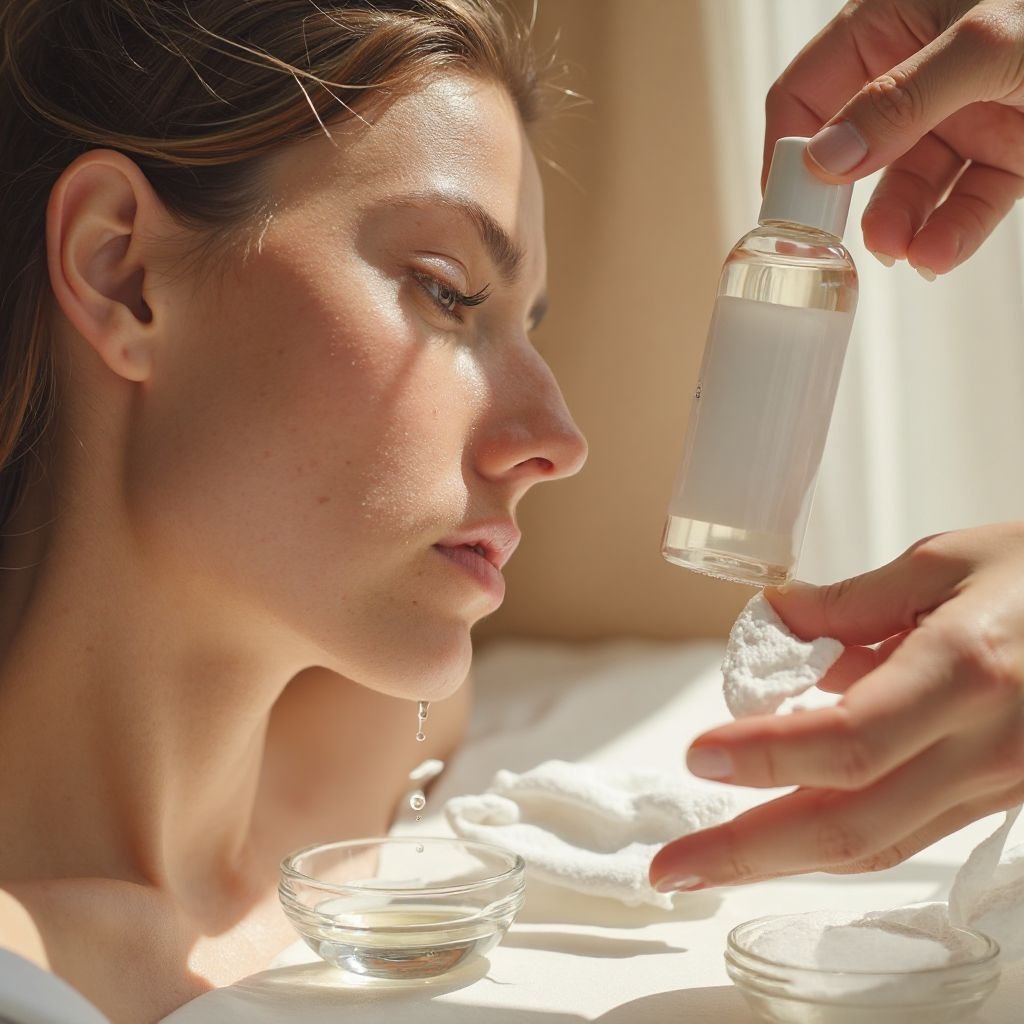
Curious about layering or sequence? Many K-beauty enthusiasts and estheticians recommend applying toner directly after cleansing but before serums or retinoids. This maximizes penetration (especially for BHA toner for pores) and preps skin properly. More layered routines for radiance are shared in our Glass Skin Routine for Beginners.
Advanced analysis & common pitfalls
Most “best toner for large pores” lists miss key realities that matter for buyers:
- Missing exact concentrations/pH: Many brands highlight “contains BHA/niacinamide” but don’t say if it’s 0.5% or 2%. This can make or break oil control results. For effective oil and pore improvement, you want:
- 2% salicylic acid (Paula’s Choice 2% BHA, COSRX AHA/BHA Clarifying BHA Blackhead) [real user review analytics]
- 2–5% niacinamide (look for “niacinamide toner” options with disclosed %)
- 5% glycolic acid for radiance (Pixi Glow Tonic)
- Irritation and barrier complaints ignored: Even top-rated toners like Paula’s Choice 2% BHA and COSRX get 400–500 mentions of “irritation,” “greasy,” or “not effective” in thousands of reviews (source). Overuse, especially by oily-sensitive types, is a root cause. Alcohol or fragrance aren’t always flagged in bestseller round-ups but are repeat offenders for breakouts and dryness.
- No segmentation by oily subtype: Oily-sensitive skin often needs a more barrier-friendly astringent toner (like Kiehl’s Calendula Toner or COSRX) instead of acid-heavy exfoliators. Combo skin will want to “zone” their toner use. Our guide to best setting sprays for oily skin has more routines if you also struggle with makeup longevity.
| Product | Active/Strength | Best For | User Rating | Common Negatives |
|---|---|---|---|---|
| Paula’s Choice 2% BHA | 2% Salicylic acid pH 3.2–3.8 |
Oily, resilient, congested skin | 4.2–4.8/5 | Irritation, greasy feel, not effective for all, dryness with overuse |
| Pixi Glow Tonic | 5% Glycolic acid | Combo/surface texture, radiance | 4.2–4.5/5 | Sting, dryness, purging if overused |
| Kiehl’s Calendula Toner | Botanicals, alcohol-free | Oily-sensitive, calming balance | 4.3–4.6/5 | Expensive, mild for pore reduction |
| COSRX AHA/BHA Clarifying | Betaine salicylate, glycolic (low %) | Gentle maintenance, oily-sensitive | 4.3–4.7/5 | Tingling, itching, alcohol smell, redness |
Price is another sticking point. Premium niacinamide toners (at clinical strengths) or tech-enhanced actives can be worth $25–$40, but only when there’s evidence for the higher price. Many gentle or “maintenance” toners (like COSRX) are under $20. See our guide to affordable serums for examples of when to save or splurge.
Still unsure where to start? Compare routines with acid, niacinamide, or barrier-first toners in our large pore primer roundup and look for segment-specific picks in our glass skin tutorial.
Conclusion
Only evidence-based actives—at the right concentrations—make a toner the best toner for large pores for real users. Choose based on actives, strength, and skin type, not hype or influencer lists. Start slow, support your barrier, and reassess monthly for best results. Ready to see pore and oil control for yourself? Begin with one of the proven formulas above and adjust to your own needs. For more honest reviews, see our in-depth product review section and compare options before you buy.
Frequently Asked Questions
Can toner actually shrink pores permanently?
No, you can only reduce the appearance of pores by controlling oil and smoothing texture. Permanent pore “shrinking” isn’t possible—results last only as long as you use the product.
Is BHA or AHA better for large pores?
BHA (like 2% salicylic acid) penetrates into pores and is more effective for oily, breakout-prone skin. AHA (glycolic acid) is best for surface texture and radiance but only mildly helps with pores.
Do I need to use a toner every day?
No. For most with combination or sensitive oily skin, 2–4 times per week is ideal at first. Increase frequency only if you’re not experiencing dryness or irritation.
Can I use niacinamide and BHA toner together?
Yes, but avoid layering strong acids and niacinamide in the same step if you’re sensitive. Alternate days or morning/evening, and patch-test to minimize risk.
What’s the biggest mistake with toners for pores?
Overusing strong active toners, skipping barrier support, or not checking concentrations/pH. This can worsen oil, irritation, or even breakouts—always ease in and listen to your skin.