

Best retinol cream for beginners isn’t about chasing the highest percentage—it’s about picking gentle, evidence-backed formulas that work with your skin, not against it. If you’re new to retinol, have sensitive skin or mild rosacea, and want real results without constant redness, this guide covers exactly what matters for a smooth start.
Key Takeaways
- Pick 0.1% stabilized or 0.15–0.3% encapsulated retinol for gentle, effective results as a beginner.
- Formulation (vehicle, lipids, barrier support) is more important than the retinol percentage for sensitive skin.
- Support your barrier with ceramides or PLG and adopt a “routine sandwich” to keep irritation minimal.
- Why choose a starter retinol (what “beginner” means)
- How to start: step-by-step for sensitive beginners
- Pitfalls & realistic problems (what to expect and solve)
- Conclusion
- FAQ
Why choose a starter retinol (what “beginner” means)
Starter retinol means a low-strength retinol—typically 0.1% stabilized or up to 0.3% in advanced vehicles. Clinical data consistently show that these strengths bring visible anti-aging changes and brighten mild acne marks, but with far lower odds of burning, flakes or redness compared to prescription retinoids or aggressive 0.5% formulas. A pooled analysis of six controlled studies in 2024 showed that 0.1% stabilized bioactive retinol improved signs of photoaging from week 4 through week 12—with only a handful of mild irritation cases reported.
Sensitive and reactive skin types (especially anyone with a rosacea history) benefit most from low strength retinol. You lower your risk of quitting before results appear—something common when using high-dose retinoids. It’s not about “surviving” a major skin reaction or ramping up as quickly as possible; beginners get the best long-term gains by letting their barrier adapt slowly, with a gentle strength and soothing support.
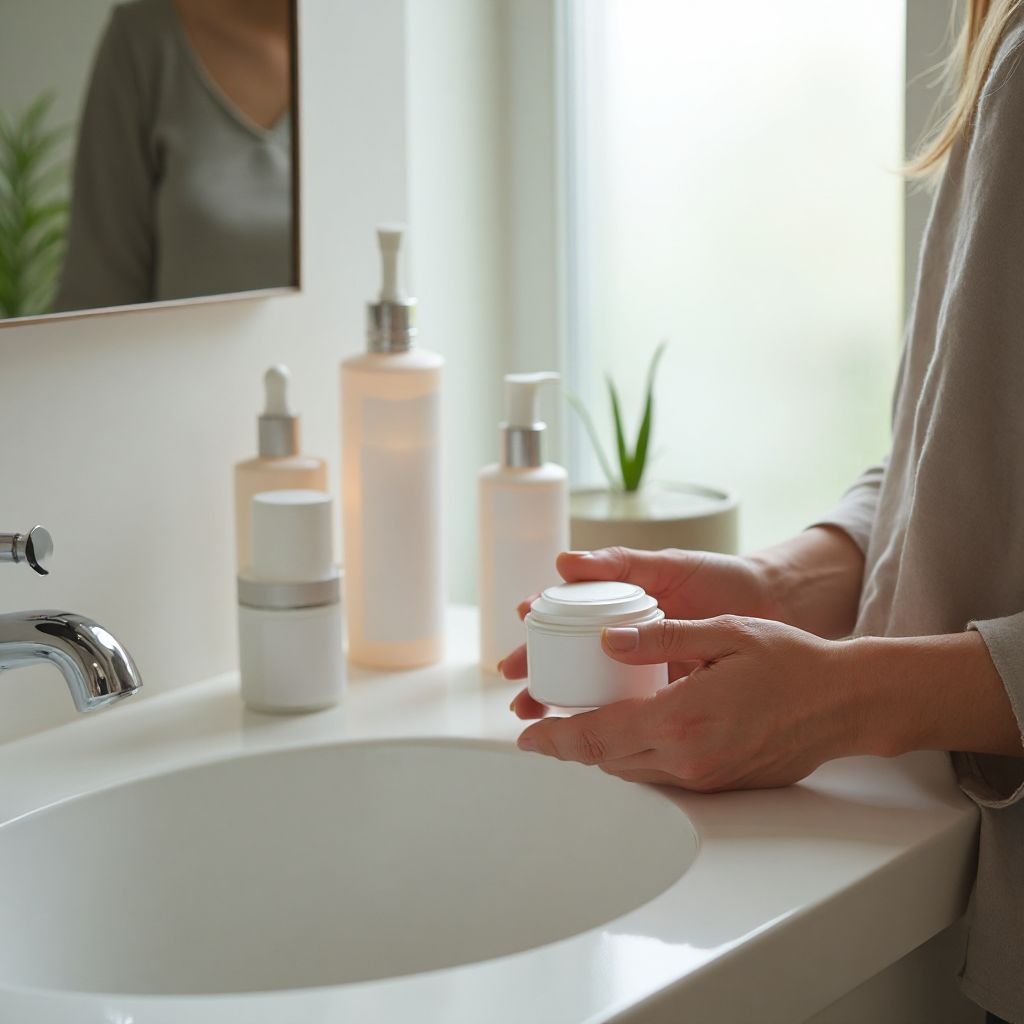
How to start: step-by-step for sensitive beginners
You want results, not setbacks. Here’s a realistic, validated approach for Emma and anyone searching for the best retinol cream for beginners:
- Step 1: Choose a product labeled “stabilized” or “encapsulated” with 0.1% to 0.3% retinol. For sensitive or first-timers, stick with 0.1% stabilized. Validate the % and ingredients on the box or INCIDecoder—not just the marketing claims.
- Step 2: Patch test on your lower cheek or neck for 3 nights.
- Step 3: Start with every third night for 2 weeks. Cleanse gently (non-foaming), pat skin dry, apply a rich ceramide/PLG barrier cream, then pea-sized retinol, then another thin layer of moisturizer (“sandwiching”).
- Step 4: If no irritation, move to every other night after 2–3 weeks. Only increase frequency or strength if your skin stays calm for 14 nights in a row.
- Step 5: If you experience redness, scaling, or stinging, pause for 3–7 days, double up on barrier cream, and scale back frequency.
External trials in 2024 confirm: combining 2% PLG and 5% ceramide+cholesterol with your low strength retinol drastically cuts the risk of retinol-induced redness, compared to niacinamide. (see the trial here).
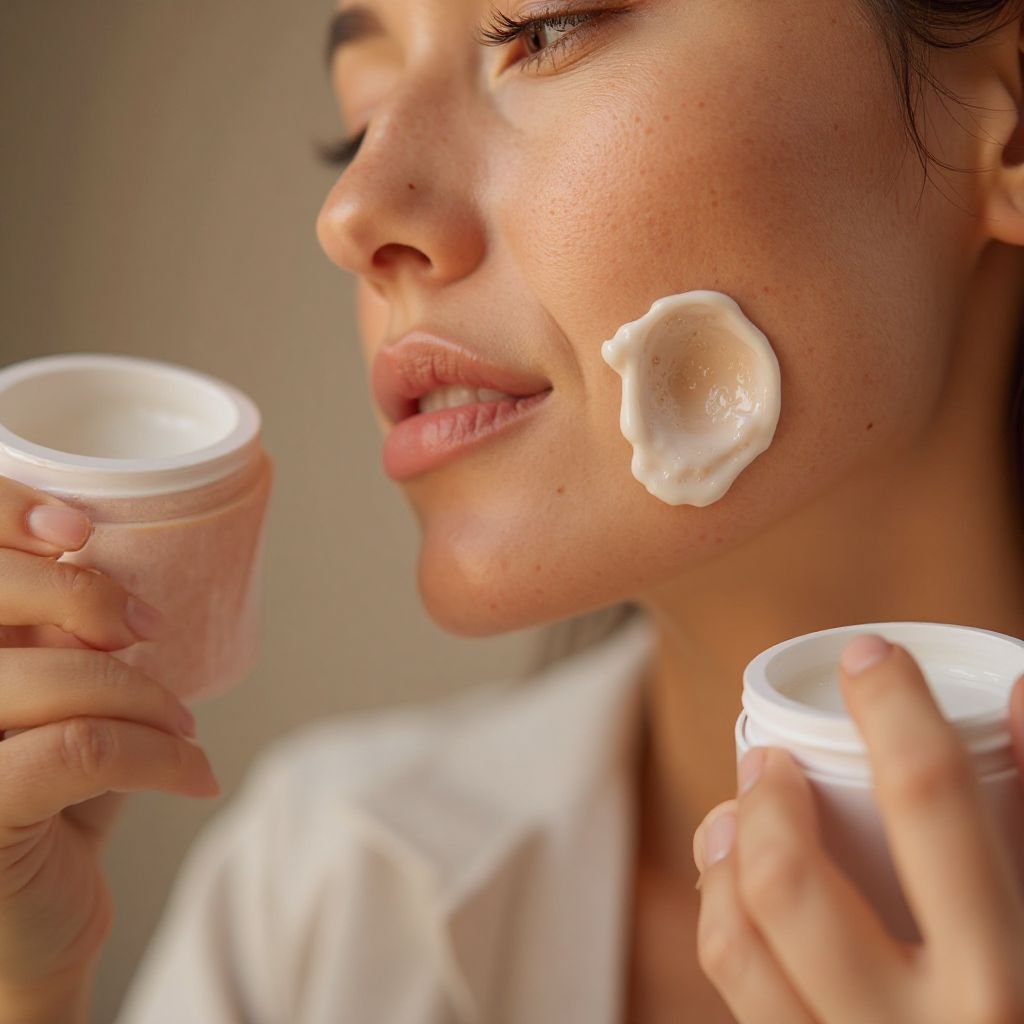
For very sensitive or rosacea-prone skin, consider “retinoid derivatives” like adapinoids (oleyl adapalenate 0.5%), which were shown to beat retinol 0.5% for wrinkle reduction and were even better tolerated (see results). For all, use fragrance-free cleansers and avoid harsh acids until your skin is settled—then slowly add other actives if needed.
Pitfalls & realistic problems (what to expect and solve)
Even with the best retinol cream for beginners, many run into these issues:
| Problem | Why It Happens | Evidence-based Fix |
|---|---|---|
| Redness, dryness, peeling | Barrier weakened, or formula lacks lipid support | Add moisturizer/PLG sandwich, reduce frequency, verify ceramides/PLG in formula (study link) |
| “No results” after 4 weeks | Low % or unstable formula, or not enough time | Check if product lists stabilized/encapsulated 0.1–0.3% retinol; give it 8–12 weeks as results are gradual (clinical proof) |
| Purging (acne flares) | Accelerated skin turnover reveals clogs early on | Stick with slow introduction, buffer, and barrier lipids. Usually resolves in 2–6 weeks. |
| Burning/stinging with “starter” retinol | Sensitivity, fragrance, or irritating vehicle | Switch to fragrance-free, liquid crystal or encapsulated retinol. Consider adapinoid derivative if all else fails. Supportive study. |
Several negative reviews for OTC retinol mention “nothing happened” or “I just got red and quit”—and clinical studies back this up: tolerability, not percentage, determines if you’ll stick with retinol. Poorly formulated products (cheap bases, no lipid support, artificial fragrance) are common culprits. Price isn’t everything, but expect to pay USD 20–70 for a product with real stabilization and clinical ingredients.
Wondering how to identify a credible product? Check they disclose stabilized/encapsulated retinol percentages on packaging, list ceramides or PLG high in the INCI, are fragrance-free, and reference clinical study data—not just influencer reviews. If in doubt, see how we flag ingredient transparency in our product review methodology.
Conclusion
Gentle is effective when you choose the best retinol cream for beginners—the keys are evidence-based strengths (0.1–0.3% stabilized/encapsulated), strong barrier support, and a slow starter protocol. Don’t get distracted by the highest numbers or influencer hype; results come from steady, tolerable use. Save this guide or share with a friend starting their retinol journey, and invest in quality so you’re not stuck with redness or regret.
Still have questions about starting retinol, ingredient checks, or how to level up your overall skin routine? Explore our Glass Skin Routine for Beginners or see product-specific reviews on the GlamThera review hub. Ready to try? Start slow, buffer with barrier lipids, and track your results. Your future skin will thank you.
FAQ
How soon should I expect to see results with starter retinol?
Most users see subtle texture improvements by week 4, with more visible anti-aging and tone changes by week 8–12. Controlled trials using 0.1% stabilized retinol confirm these timelines—stay consistent and patient for best results.
Will retinol make my acne worse at first?
Some people experience “purging”: temporary breakouts as skin cell turnover increases. This typically lasts 2–6 weeks, then improves. Proper buffering and barrier support reduce the risk and duration.
Can I use niacinamide or azelaic acid with my beginner retinol?
Yes, but for irritation mitigation, ceramides and PLG outperformed niacinamide in direct trials. Layer niacinamide for extra support, but don’t skip the lipids.
When should I stop using retinol or see a dermatologist?
Stop if you develop ongoing redness, swelling, blistering, or severe discomfort. If mild irritation doesn’t resolve after 2–3 weeks of reduced use—and especially with very sensitive/rosacea-prone skin—consult a physician.
How much should I spend for a truly beginner-friendly, evidence-backed OTC product?
Expect to pay USD 20–70 for real stabilized/encapsulated retinol with clinical barrier support and credible ingredient transparency. Lower-priced options usually skip on vehicle or lipid support; premium doesn’t always mean better, but it often means more research-backed formulation and safe packaging.