

Best satin bonnet for natural hair is a must-have tool for anyone serious about reducing breakage and locking in moisture overnight—especially for curls and natural textures like 4c. If you want healthier, less frizzy hair when you wake up, understanding how to choose and use a satin bonnet the right way can make all the difference.
Key Takeaways
- Satin bonnets reduce friction and prevent breakage for curly and 4c hair by locking in moisture while you sleep.
- The perfect satin bonnet should be double-layered, high-quality option, full satin (inside and out), and have no cotton edges to avoid hair damage or bonnet slippage.
- Caring for your bonnet and knowing the downsides (like fit issues or rough satin) helps you get the best results and avoid wasted money.
- What Makes a Satin Bonnet Essential for Natural Hair?
- How to Choose & Use the Best Satin Bonnet for Natural Hair
- Advanced Analysis, Pitfalls & Material Comparison
- Conclusion
- FAQ
What Makes a Satin Bonnet Essential for Natural Hair?
Satin bonnets create a gentle, friction-free barrier around your curls, coils, or waves, preventing tangles, split ends, and breakage. Unlike cotton—known for its absorbency—satin locks in your scalp’s natural oils and any overnight treatments so hair stays hydrated, less brittle, and frizz-free. For 4c hair and anyone with fragile strands, choosing a quality bonnet can be the key to better curl definition, fewer knots, and less breakage. Experts confirm satin and silk bonnets outperform cotton in every way for natural textures.
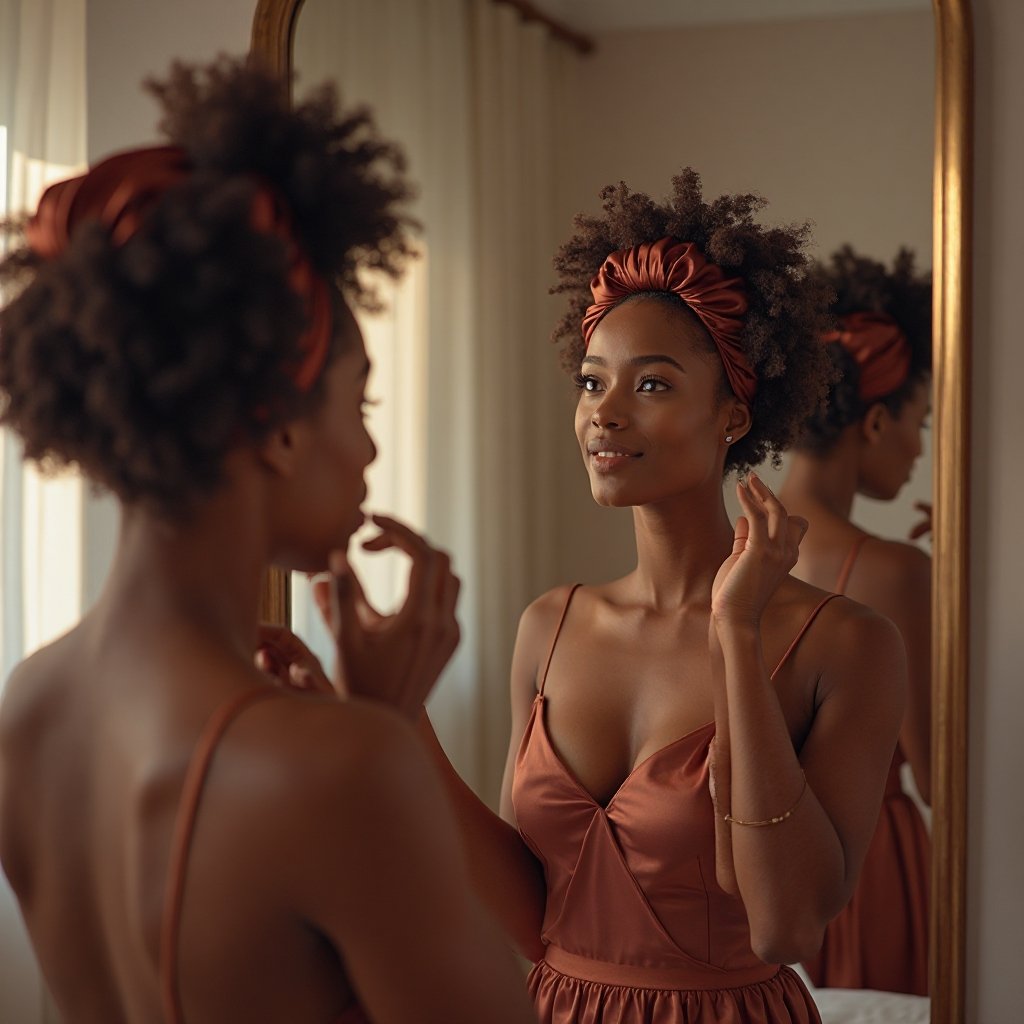
How to Choose & Use the Best Satin Bonnet for Natural Hair
Follow these steps to avoid the mistakes that lead to bonnet fails and hair setbacks:
- Measure your hair volume or length: Thick or extra-dense curls need larger, deeper bonnets designed for 4c or long hair.
- Examine material quality: Look for double-layered bonnets—full satin inside and out. Beware of “satin” bonnets lined with cotton; these can cause dryness and damage. Certifications (like OEKO-TEX) indicate low-chemical options.
- Check the band style: Opt for bonnets with wide, soft, covered bands—never exposed elastic, cotton, or rubber bands. Tight or rough edges can break hair along the hairline and nape.
- Seek strong stitching and durability: Reinforced seams prevent unraveling after repeated washes and extend the bonnet’s life.
- Test the fit: The bonnet should fit snugly but gently, staying in place all night—even for active sleepers or thick natural hair.
- Wear on moisturized hair: Hydrate and seal hair (leave-in, oil, or butter), then cover with the bonnet for overnight moisture retention and less manipulation in the morning (a tip often repeated by pros like Felicia Leatherwood).
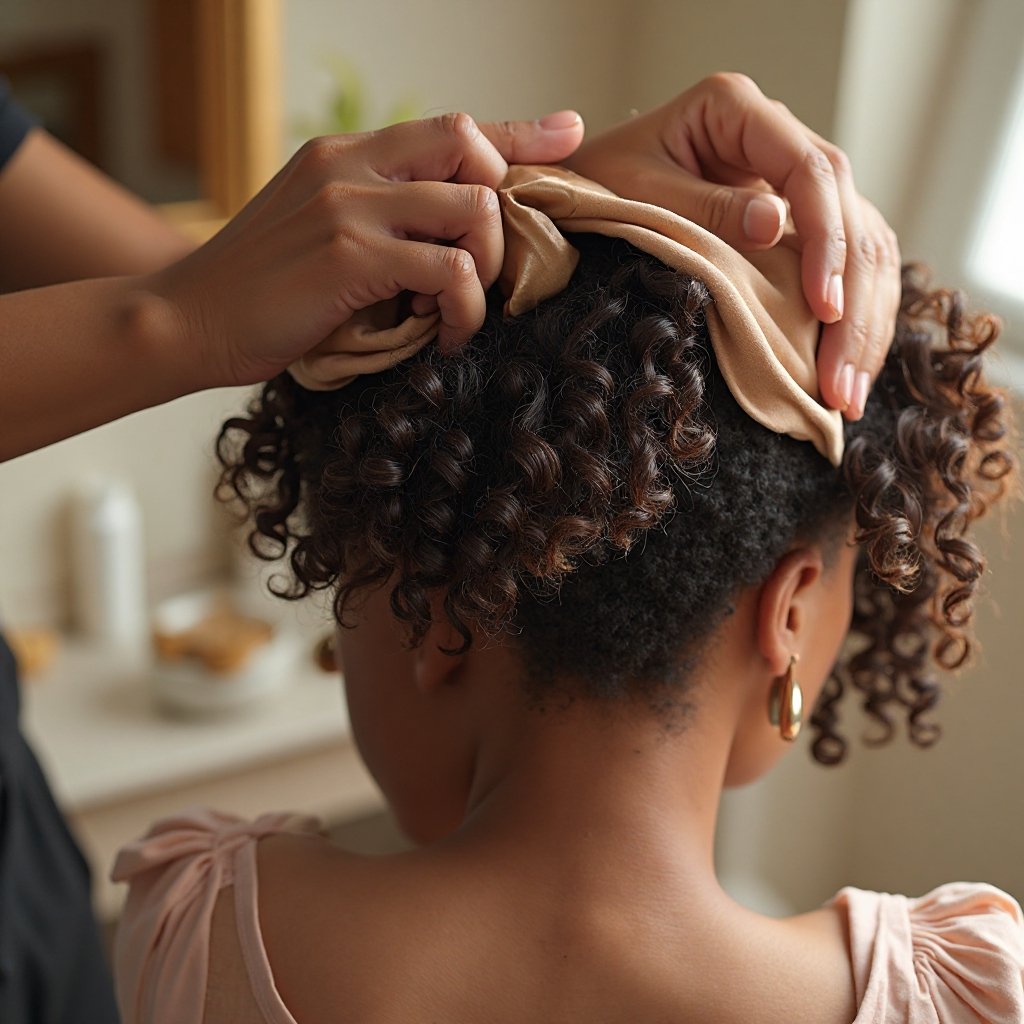
Want to pair your satin bonnet with other curl-friendly tools? Check out reviews of the best hair towel for curly hair to reduce frizz even more on wash days.
Advanced Analysis, Pitfalls & Material Comparison
Even the best satin bonnet for natural hair can cause frustration if you don’t know what to avoid. Here’s what real users and experts say:
- Poor Fit & Slippage: Many bonnets slip off at night, especially those not designed for thick or high-density hair. If your bonnet is too small or the band is too loose, you’ll wake up with exposed edges—canceling any hair protection.
- Low-Quality Satin: Rough, single-layer satin (sometimes mislabeled as “silky” or “poly-satin”) can snag curls or dry out hair. Lower-end bonnets may skip full interior lining, leading to breakage or lint transfer.
- Weak Stitching: Cheaply made bonnets unravel after just a few washes. Always check seam strength if you want your investment to last.
- Unsuitable Band Material: Cotton or rubber bands around the edge can snap hair, especially delicate edges. Full satin construction and gentle elastic, or adjustable satin ties, are a must for daily use.
Material also matters. Here’s how options compare based on comfort, curl protection, and ease of care:
| Material | Comfort | Effectiveness for Curls | Maintenance |
|---|---|---|---|
| Satin (polyester) | Good ventilation; suits most curl types. Affordable and widely available. | Reduces friction by up to 43% (almost as much as silk); protects moisture and curl shape. | Machine-washable; durable with quality stitching. |
| Silk | Most breathable; naturally cooling and hypoallergenic—ideal for sensitive scalps. | Lowest friction; best moisture retention and smoothest feel. Highest protection for fragile strands. | Handwash or gentle cycle; higher cost but very long lasting. |
| Bamboo Lyocell Blends | Silky soft; OEKO-TEX certified. Eco-friendly and temperature regulating. | Almost as protective as silk; minimizes frizz, suits all curl types. | Low-maintenance; chemical-free cleaning, very durable. |
Explore even more friction-free sleep options with our in-depth guide to the best silk pillowcase for hair growth or discover top hair clips for thick hair to protect your style during the day.

Conclusion
A well-made satin bonnet isn’t just “nice to have”—it’s crucial for curl health, length retention, and all-night hydration. When you choose a double-layered, high-quality option and avoid cotton-lined or rough-edged bonnets, you’ll see less frizz and stronger, more resilient hair. Start using the best satin bonnet for natural hair tonight and wake up with smoother, tangle-free curls. Ready for better hair days? Make the switch and see the difference for your hair type—or read user experiences on our Product review page before you buy.
FAQ
Is there a difference between satin and silk bonnets for natural hair?
Yes, silk is a natural fiber that locks in moisture and offers the best breathability and friction reduction, but satin (especially high-grade, double-layered) is far more affordable and still highly effective for most curl types. Read expert comparisons.
How often should I wash my satin bonnet?
Wash weekly (or every 3-5 wears) if you use creams, oils, or styling products often. Always air-dry or use a gentle, cool setting to preserve fabric integrity and stitching.
Why does my satin bonnet slip off at night?
Slippage usually means the bonnet is too small, not stretchy enough, or has a rough edge. Choose bonnets with wide, covered elastic and consider layering a satin scarf for extra hold.
Are satin bonnets good for all curl patterns?
Yes, but sizing matters: larger, deeper bonnets are required for thick, long, or high-volume curls (like 4c). Fine or less dense curls can use smaller bonnets for a secure fit.
Can bonnets really help with hair growth?
Satin bonnets help retain length by reducing breakage and split ends, but they do not directly stimulate hair growth. Consistent protection helps you keep the hair you grow.