

Best hair towel for curly hair is a phrase that pops up for anyone looking to tame frizz, define curls, and speed up drying time. But what actually sets these towels apart, and are they worth replacing your classic cotton bath towel? Let’s break down the facts, bust the hype, and help you find a towel that leaves your curls looking their best.
Key Takeaways
- Microfiber hair towels reduce frizz and breakage for curly hair by minimizing friction and absorbing more water than traditional cotton towels.
- Not all microfiber towels are created equal — material density, size, and design matter for different curl types and hair lengths.
- Certain pain points like slipping or lack of absorbency can happen, so knowing how to use the towel, and what features to look for, is crucial.
- Why Microfiber Towels Matter for Curly Hair
- How to Use a Microfiber Hair Towel for Curly Hair (Step-by-Step)
- Advanced Analysis & Common Pitfalls
- Conclusion
- FAQ
Why Microfiber Towels Matter for Curly Hair
If you have curly or wavy hair, how you dry it matters. Wet curls are especially vulnerable—traditional cotton towels and terry cloth create friction, rough up the cuticle, and introduce frizz or even breakage. Microfiber towels, made of ultra-fine synthetics, absorb water fast (up to 7 times their weight), wick moisture without harsh rubbing, and don’t pull on delicate curl patterns. This preserves definition and minimizes damage during your post-shower routine.
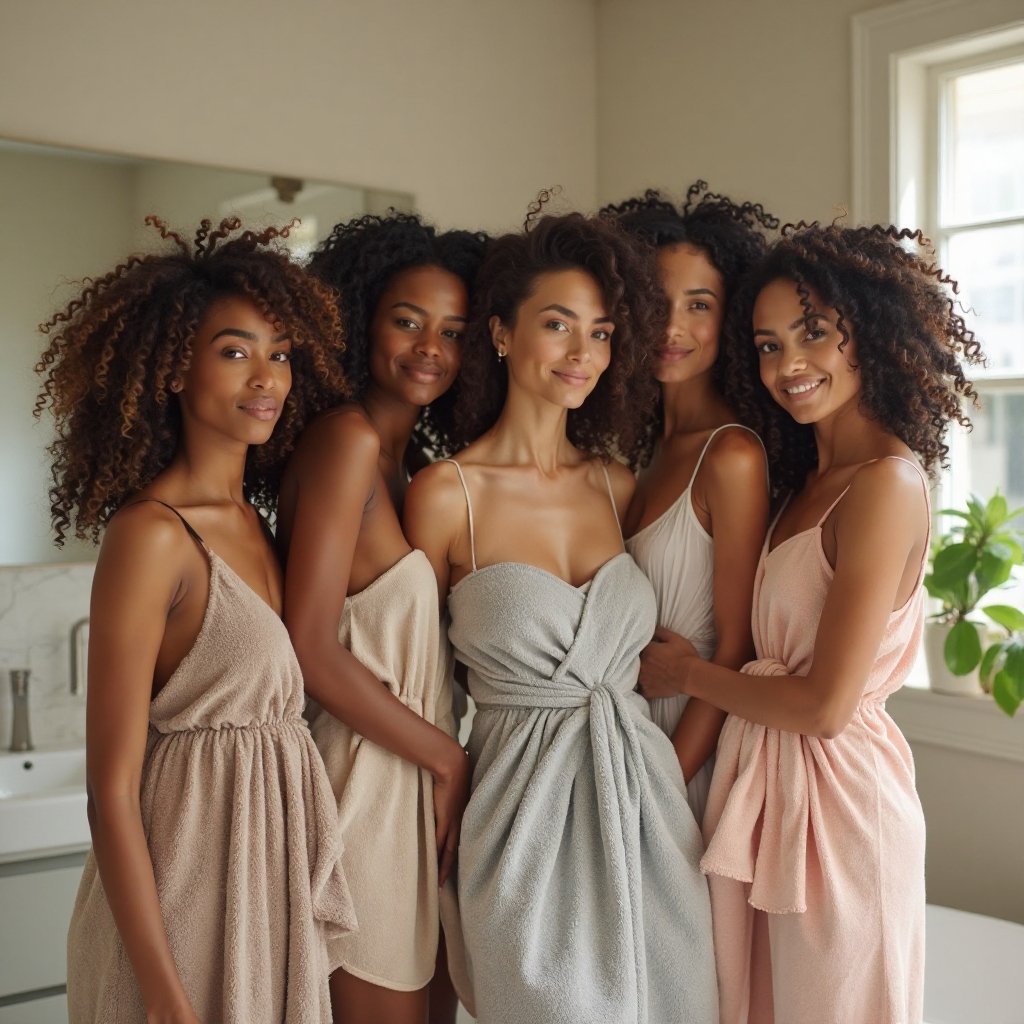
According to brands like Turbie Twist and Bounce Curl, this is due to the structure of microfiber itself. No major scientific studies directly compare microfiber and cotton for curly hair, but material science and 1,000s of user anecdotes support these results. And unlike cotton, microfiber is lint-free, stays lightweight, and doesn’t snag curls—even when wrapped turban-style or used for plopping.
Want more ways to maximize your hair routine? Check out our product review page where beauty lovers share experiences with must-try styling essentials.
How to Use a Microfiber Hair Towel for Curly Hair (Step-by-Step)
Getting the most from a microfiber towel goes beyond swapping it in for your bath towel. Here’s how to lock in those curl benefits:
- After washing, gently squeeze out excess water with your hands while still in the shower.
- Lay your microfiber towel on a flat surface. Lower your head so your curls rest in the towel (“plopping”).
- Wrap or secure the towel per the product design: twist for a turban, use a button or elastic fastener if provided.
- Leave on for 10-30 minutes, depending on hair thickness and how much moisture you want to remove.
- Unwrap, then style and diffuse as desired.
- For even more definition, use microfiber mitts to scrunch large sections, absorbing extra water at the ends.
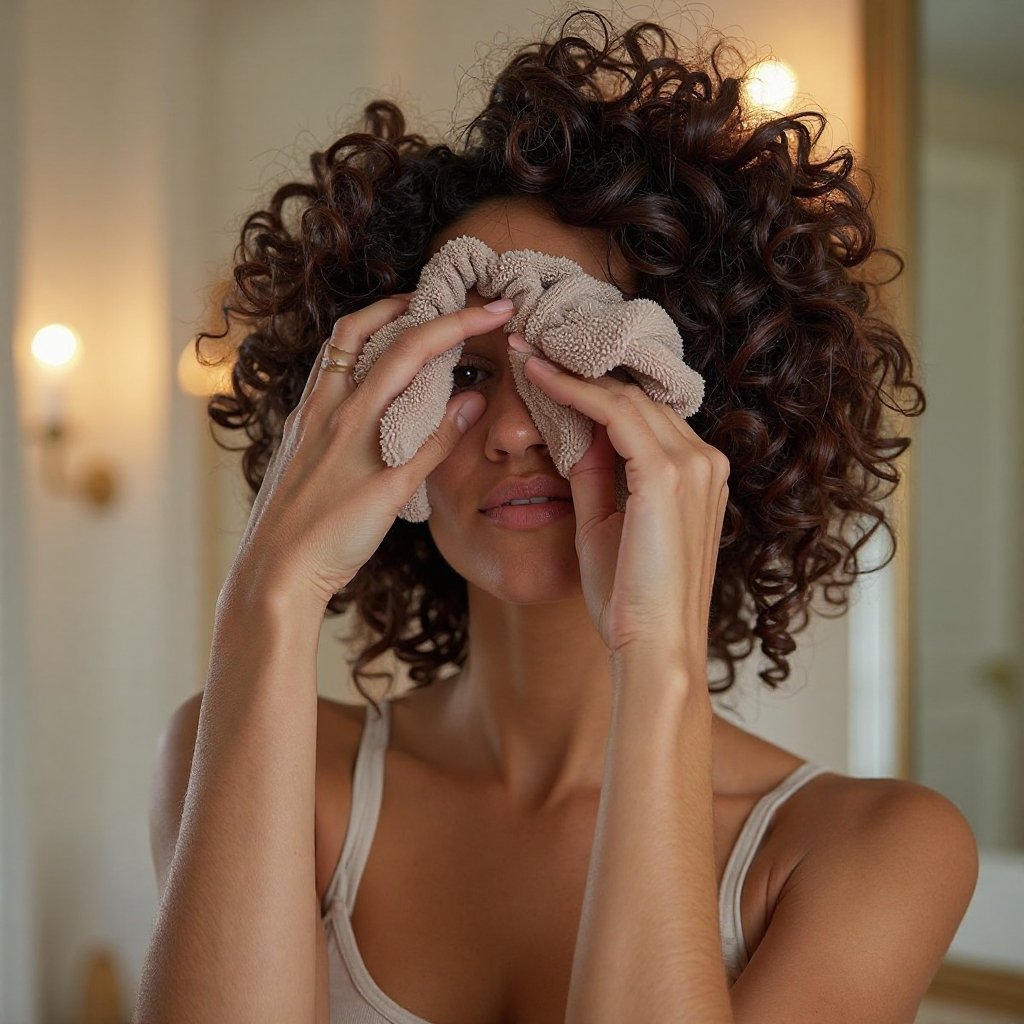
If you’re shopping for a towel, look for one with a high-density weave—most quality microfiber towels feel plush (but not heavy), drape easily, and have a secure closure. Avoid ones that shed or feel scratchy; this can defeat the purpose.
Need more curly hair accessories? Don’t miss our guide to the best hair clips for thick hair—perfect for sectioning curls while drying or styling!
Advanced Analysis & Common Pitfalls
There are some pitfalls to be aware of when choosing or using a “best hair towel for curly hair” product:
- Not all microfiber is equal: Some towels use low-density blends that don’t absorb well or hold up over time.
- Poor fit or size: Turbans or wraps that are too small may not fully contain long or thick hair, causing slipping or uneven drying.
- Not suited for all curl types: Very tight coils (type 4) may need extra moisture retention, so over-drying can actually cause fluff or loss of definition.
- Slippage during use: Reviews sometimes mention towels coming undone, especially if the design lacks strong fasteners or is too slick.
- Durability: No long-term studies are available, but lower-quality microfiber can lose absorbency after repeated washes.
While there are no public stats on market share or sales, curly hair forums and expert guides nearly always mention microfiber as the routine upgrade with the best trade-off of price versus results.
See a detailed guide to silk pillowcases for hair growth for another friction-reducing tool.
| Feature | Microfiber Towel | Cotton/Bath Towel |
|---|---|---|
| Absorbency | High, quick-drying | Medium, slow-drying |
| Friction on Hair | Low (smooths cuticle) | High (may cause frizz) |
| Lint/Fluff | Lint-free | Often leaves lint |
| Weight/Bulk | Lightweight | Heavy when wet |
| Price (typical) | Affordable | Varies |
| Best for Curl Pattern | All types (with right usage) | None—may distort curls |
Curious about other beauty staples? Explore our guide to beginner gel nail kits for easy at-home manicures.
Conclusion
A microfiber towel is the easiest, most affordable way to upgrade your curly hair routine. It quickly soaks up water, boosts definition, and lowers frizz—if you get the right fit, quality, and use a gentle technique. Long-term, you’ll cut down on heat styling and maintain healthier curls.
If you’re ready to try the best hair towel for curly hair, shop reputable brands, avoid harsh rubbing, and let your curls do the talking.
For more pro-backed beauty tips, visit our Product Review hub or see the best press on nails for short nails roundup now.
FAQ
Is microfiber really better than cotton for curly hair?
For most curly hair types, yes. Microfiber absorbs more water, causes less friction, and is less likely to leave curls frizzy or tangled. See sources from Turbie Twist and Curlsmith for details.
How long should I leave a microfiber towel on my curls?
10–30 minutes is usually enough, but it depends on hair thickness. Don’t leave it on until hair is bone dry—remove while curls are damp for best definition.
Why does my towel sometimes slip off?
Slipping happens if the towel is too small, lacks a button/loop fastener, or is wrapped loosely. Opt for a larger towel or one with a secure closure for thick or long curls.
Can I use a microfiber towel for all curl types?
Yes, but adjust technique for your pattern. Tighter coils may need less drying time to avoid over-drying, while looser curls may benefit from extra plopping time.
What else helps reduce frizz after towel drying?
Using a silk pillowcase at night can further cut down on friction and preserve styling. See our review of best silk pillowcase for hair growth for top recommendations.