

Best nail file for natural nails is a question every natural nail enthusiast should ask before picking up their next file. The right choice makes the difference between healthy, smooth nails or painful, damaged tips. If you want lasting natural nails, using the correct nail file is essential.
Key Takeaways
- Always choose a 180-240 grit nail file for safe, gentle care of natural nails.
- Avoid coarse files (below 180 grit), which can cause thinning, splitting, or peeling.
- Fancy file materials are popular, but grit level is far more important for healthy results.
- The Core Concept: What Is the Best Nail File for Natural Nails?
- Step-by-Step Guide: Using a Nail File Safely on Natural Nails
- Advanced Analysis & Common Pitfalls
- Conclusion
- FAQ
The Core Concept: What Is the Best Nail File for Natural Nails?
Choosing the best nail file for natural nails comes down to grit. Nail care experts recommend a 180 to 240 grit nail file for natural, thin, or weak nails. The secret: lower numbers are rougher (more abrasive), while higher numbers create a smoother, gentler finish.
For shaping and shortening, stick with 180 grit. It files efficiently without risking splitting or peeling. For refining and smoothing the edges—especially after you’ve reached your preferred shape—240 grit gives clean results and helps seal nail layers against future splitting.
Stay away from coarse grits (like 80 or 150) if you’re working with natural nails. These are made for tough tasks such as removing gel or acrylic. Using them on your natural nails can result in painful thinning, splits, and peeling. Protect your nail plate by prioritizing gentle, fine-grit files over harsh alternatives.

Most glass nail files, emery boards, and soft cushioned files are available in these gentle grit levels. Filers offering 180 or 240 grit usually state their grit on the packaging—always check before buying. While metal files exist, they can be too harsh for delicate natural nails unless extremely fine.
It’s not just about smoothing the edge; the right file protects your nail’s structure and helps prevent future damage. Want to try pro-friendly nail shaping for yourself? Explore DIY gel kits for beginners—as these typically include gentler files for prepping nails safely.
Step-by-Step Guide: Using a Nail File Safely on Natural Nails
- Wash Hands & Dry Thoroughly: Remove oils and dirt to prevent slippage and bacteria transfer.
- Pick the Right Nail File: Select a 180 grit for shaping, or 240 grit for refining. Avoid metal files or files under 180 grit.
- File in One Direction: Always file from the outside edge toward the center, never “see-saw” back and forth. This prevents splits and fraying.
- Check for Smoothness: After shaping, lightly run a 240 grit file or buffer over the nail edge to seal layers and smooth any roughness.
- Clean Your File: Rinse with soap and water if your file is washable (like glass or some foam files). Let dry before storage. Emery Boards can be gently brushed.
- Hydrate Nails & Cuticles: Nourish after filing with a cuticle oil or hand cream to minimize dryness.
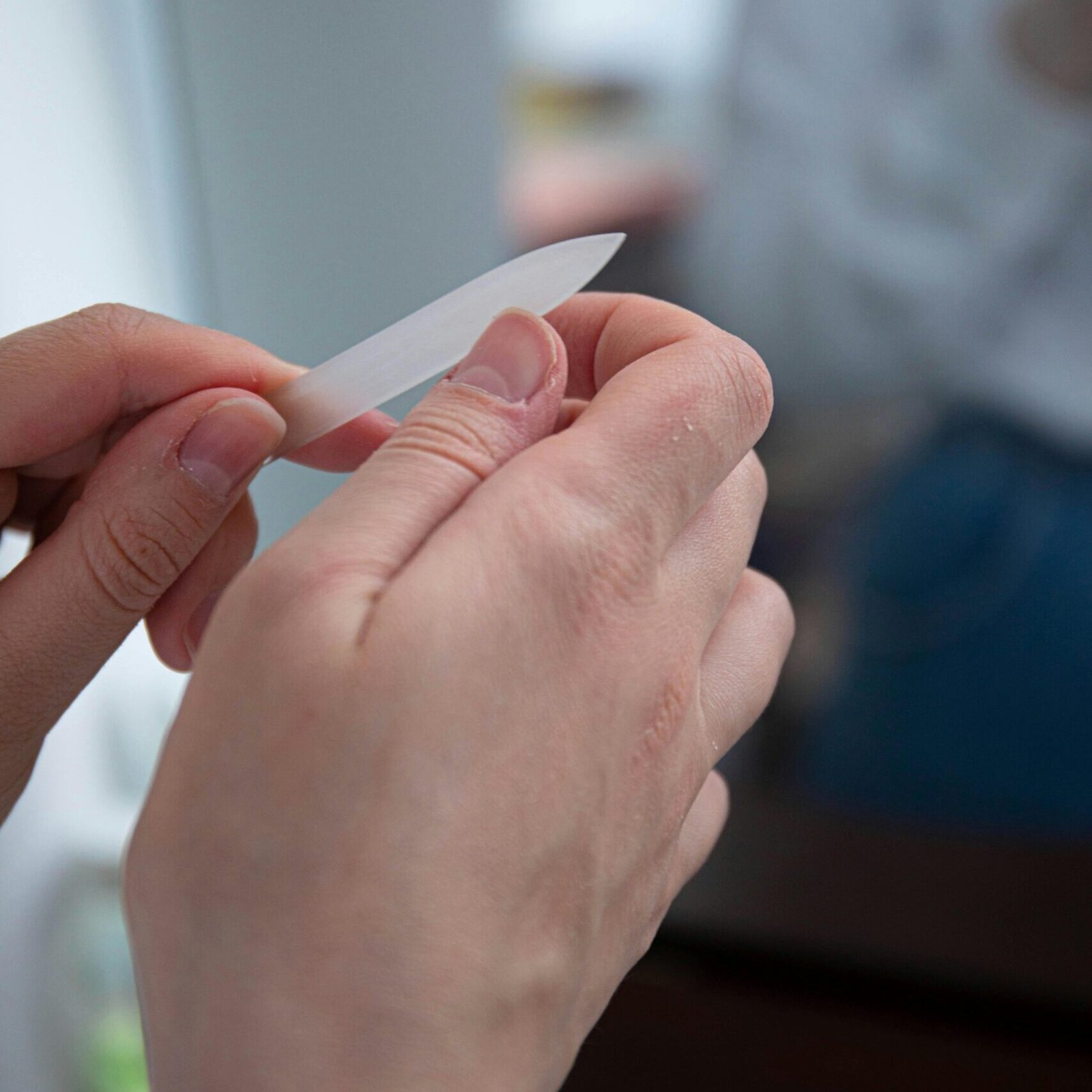
If you regularly use hand sanitizer or water, natural nails will be more brittle. Adjust your file grit to the higher side (240+) and include a nail strengthener after filing for best results. If you’re new to nail care, visit our product review page for trusted reviews of beginner nail kits, buffers, and more.
Want to take your home manicure to the next level? Try complementary products from our best press on nails for short nails or see our roundup of flattering nail polish for short nails to finish your routine.
Advanced Analysis & Common Pitfalls
Nail technicians agree: the biggest mistake with natural nails is using a file that’s too coarse. Even “gentle” files below 180 grit can shred fragile nail edges, resulting in splits and peeling that take weeks to heal.
Another common pitfall is choosing a file based on material hype rather than grit. Glass files are praised for smooth edges, but if the grit is wrong, any file type can damage nails. Always check the grit range (180 to 240 is your friend).
| File Type | Grit Range | Durability | Washable? | Potential Issues |
|---|---|---|---|---|
| Emery Board | 180/240 (gentle) | Low | No | Wears out quickly, may shred with use |
| Glass | Typically 220-240 | High | Yes | Can break if dropped; performance depends on actual grit |
| Metal | Varies (often coarse) | High | Yes | Often too harsh for weak/thin nails |
| Foam/Cushioned | 180-240 | Medium | Sometimes | Edges fray over time |
Product costs and durability details vary, but glass nail files last much longer than emery boards and can be cleaned, making them a good long-term investment if you’re careful not to drop them. Emery boards are inexpensive but disposable; metal files are durable but risky for sensitive nails.
Another risk: unwashed or shared files can transfer bacteria or fungus. Clean your file after every use, especially if it’s glass or metal. For more tips on safe at-home routines, check out our guides to easy nail wraps for beginners or best press on nails for wide nails.
A final challenge: there is little scientific data comparing file types for long-term nail health. Recommendations come from nail pros and real-world results, not dermatologist-driven studies. If you’re seeking evidence-backed advice, review industry grit recommendations and read about how different grits impact nail strength.
Conclusion
When it comes to healthy, attractive nails, the best nail file for natural nails is always a fine grit file—preferably 180 to 240 grit. File gently, avoid harsh tools, and prioritize nail strength over speed. If you’re starting your nail journey, stick with the trusted advice above and explore our latest beauty product reviews for real-user-tested kits and tools. Ready to upgrade your routine? Choose the right nail file and enjoy stronger natural nails today.
FAQ
Can I use a coarse file on natural nails for faster shaping?
No. Coarse files (under 180 grit) can thin and split natural nails, leading to damage and peeling. Stick to 180-240 grit for safe shaping.
How often should I replace my nail file?
Emery boards should be replaced every 3 to 5 uses. Glass and metal files last longer—clean after every use and replace if worn or damaged.
Do glass nail files really last forever?
Glass files are very durable and long-lasting if properly cared for. However, they can break if dropped or chipped. Always store in a case.
How do I clean my nail file safely?
Wash glass and metal files with soap and water, then let air dry. Emery boards and foam files can be lightly brushed, but most cannot be soaked or fully sanitized.
What’s the best nail file for sensitive, peeling nails?
A 240 grit file is ideal. It shapes nail edges gently and seals layers to reduce further peeling. Always file in one direction and finish with cuticle oil.