

Waterproof mascara that doesnt smudge has become the holy grail for anyone who wears mascara daily—especially if you have oily or hooded lids, live in humid weather, or have sensitive eyes. Yet, not all “smudge-proof” mascaras deliver on their promise. Here’s how to separate true performers from marketing noise, with evidence-backed recommendations and realistic shortcuts for lasting, comfortable wear.
Key Takeaways
- Waterproof doesn’t always mean smudge-proof—especially if you have oily lids or sensitive eyes.
- Tubing mascaras are often best for oil resistance and easier removal, while traditional waterproof is superior for water/sweat but tough to remove.
- Clinical evidence and lab tests rarely measure oil-resistance, so testing at home and checking ingredients is crucial.
- Quick answer — What to buy if you want a waterproof mascara that doesnt smudge
- How “waterproof” and “non‑smudge” are different — what claims actually mean
- Advanced Analysis & Common Pitfalls: Why mascaras smudge, major mistakes, ingredient issues
- Conclusion
- FAQ
Quick answer — What to buy if you want a waterproof mascara that doesnt smudge
If you need a waterproof mascara that doesnt smudge, focus on the technology. For oily or hooded lids, tubing mascaras are generally your best bet—they form flexible tubes around each lash that resist oil and only remove with warm water, making them friendlier for sensitive eyes and habitual wearers. If you need extreme resistance (think swimming, constant tears), modern waterproof formulas are more water-tight but often break down with oil and sebum, especially in humid climates. The trade-off: Tubing mascaras are easier to remove and less irritating for sensitive eyes, while classic waterproofs need oil-based removers and are prone to smudging on oily lids. Worth noting: Over 60% of beauty consumers now prefer smudge-proof mascaras for everyday use, especially where heat and humidity are high (see market data).
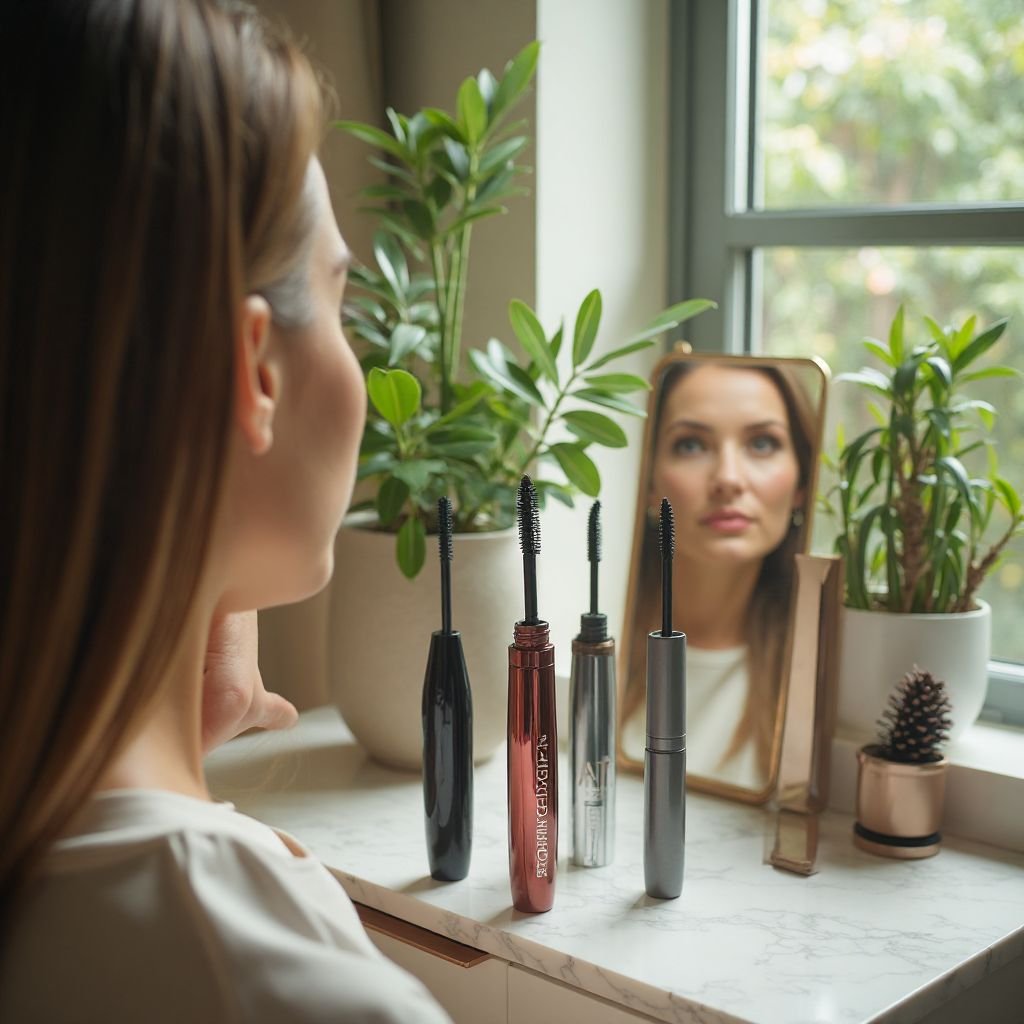
How “waterproof” and “non‑smudge” are different — what claims actually mean
Manufacturers use terms like “waterproof,” “smudge-proof,” “oil-proof,” and “long-wear” interchangeably, but they aren’t the same. Most “waterproof” mascaras are tested to resist water, sweat, and humidity, but rarely genuine eyelid oil (sebum). “Tubing” refers to water-based, film-forming polymer systems that literally wrap each lash with a tiny tube. “Long-lash” or “lengthening” mascaras often focus on fibers but are usually regular formulas and can smudge the most on oily skin. Most guides and brand claims focus only on water exposure—not oil. In reality, oily lids remain a blind spot for most mainstream testing (see testing gaps).
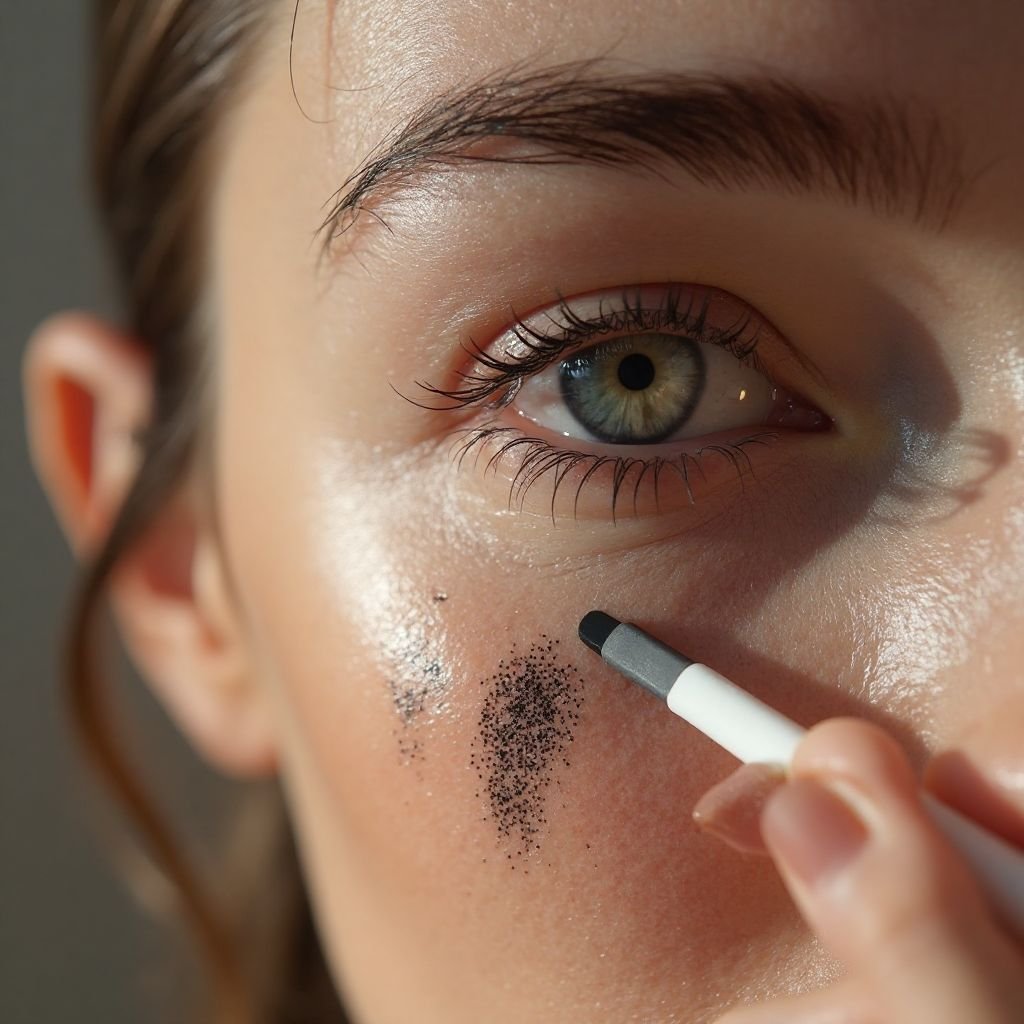
Follow these steps to confidently pick and use a mascara for your needs:
- Read ingredient lists and look for “acrylates copolymer,” “polyurethane film former,” or “tubing technology.”
- Patch test: Check for fragrance, shellac, parabens, DMDM hydantoin, and PFAS—these can aggravate sensitive eyes (see clinical risk info).
- Try the 5-minute oil-resistance test at home: Apply your mascara, let it fully dry, then lightly pat your eyelid with blotting paper or oil; tubing should not transfer.
- Choose warm water removal for minimum lash and eye surface stress—especially if you wear mascara daily or use contacts.
Remember: There is no universal oil-resistance lab standard. This is why home-testing (or demanding oil-exposure lab results) is so important.
Advanced Analysis & Common Pitfalls: Why mascaras smudge, major mistakes, ingredient issues
Let’s break down real-world complaints and chemistry. Most traditional waterproof mascaras resist water by using heavy waxes and hydrophobic film-formers. On oily lids, the skin’s natural sebum can partially dissolve or soften these waxy films, causing mascara to transfer or migrate into creases—this is why “waterproof” often fails to mean “no smudge.” Tubing mascaras sidestep most of this with a polymer “tube” that is less affected by oil but not perfect for everyone: some tubes may flake with aggressive rubbing, and removal must use warm water—not makeup remover oil.
If you have sensitive eyes, be extra vigilant. Studies found more than three-fourths of waterproof mascaras contain PFAS, plus many carry fragrances and specific preservatives that are proven irritants for some eyes (see expert breakdown). Chronic irritation and dry-eye risk is real: 25%–30% of daily waterproof mascara users report ongoing redness or irritation, often from removal stress or persistent residue.
Common pitfalls include:
- Assuming waterproof means oil-proof—it doesn’t.
- Layering thick coats, which raises flaking and migration risk.
- Vigorous rubbing during removal, especially with oil-based remover, causing lash breakage or eyelid inflammation.
- Using mascaras with fragrance, resins, parabens, or shellac if you are sensitive—these spike allergic reactions.
| Technology | Best for | Oil Resistance | Removal Method | Common Downsides |
|---|---|---|---|---|
| Tubing mascara | Oily lids, sensitive eyes, daily use | High | Warm water only | Can flake, needs correct removal |
| Traditional waterproof | Swimming, extreme sweating | Moderate to low (on oily skin) | Oil-based remover | Difficult removal, irritation |
| Long-lash/lengthening | Occasional wear, non-oily skin | Low | Regular cleanser | Highest smudging |
Want more science and product reviews? See our Beauty Product Review Hub or check our guide on primers that help with oily lids for added smudge control.

Conclusion
The hunt for a waterproof mascara that doesnt smudge is all about matching your lid type, wear habits, and sensitivity with the right technology. For oily or hooded lids (and anyone prioritizing ease of removal and less irritation), tubing mascaras win—especially if you verify with a simple oil test. For true water challenges, classic waterproof still has a role but comes with drawbacks for sensitive users. Check those ingredient labels, try a home oil-resistance test, and don’t assume price guarantees smudge-free results. Ready to build a longer-lasting, comfortable lash routine? Start your smart mascara search now and put every new tube through its oil-resistance test before committing.
FAQ
Is tubing mascara really better for oily lids?
For most people with oily or hooded lids, yes. Tubing mascaras resist sebum transfer better than classic waterproofs and remove easily with warm water. Always do a real-world oil test to confirm.
Can waterproof mascara cause eye irritation or dry eye?
About 25%–30% of daily waterproof mascara users report ongoing redness or dry eye, often from removal stress and residue buildup. Tubing formulas are usually gentler on the ocular surface.
How can I test smudge resistance at home?
Apply, set, then rub with a little facial oil on your fingertip or blotting sheet. If the mascara lifts in tubes/flakes, it’s tubing; if it smears, it’s not oil-resistant.
Is higher price a guarantee of better smudge resistance?
No. Lab and editorial reviews show price doesn’t reliably predict smudge resistance—you’ll find strong performers in both drugstore and prestige brackets (see Wirecutter analysis).
What ingredients should sensitive eyes avoid?
Look out for preservatives (parabens, DMDM hydantoin), fragrance, shellac, and PFAS. Choose ophthalmologist-tested, fragrance-free, and hypoallergenic mascaras when possible.