

Best blush for fair skin isn’t about chasing the latest pink—it’s about choosing smart shades, the right texture, and soft application, so your cheeks glow naturally instead of looking overdone.
Key Takeaways
- Shade, texture, and placement matter more than any single “universal” blush color for fair skin.
- Go for buildable, sheer formulas in baby pink, soft peach, or light berry, matched to your undertone and skin needs.
- Testing blush in real lighting and gentle stamping application prevents over-pigmentation or chalkiness on pale cheeks.
- Why shade + texture + placement matter more than “one perfect pink”
- How to pick and apply blush for fair skin: A step-by-step guide
- Common pitfalls and advanced troubleshooting for fair skin blush
- Conclusion: The best blush for fair skin is the one you adapt
- FAQs: Getting a natural blush look on pale skin
Why shade + texture + placement matter more than “one perfect pink”
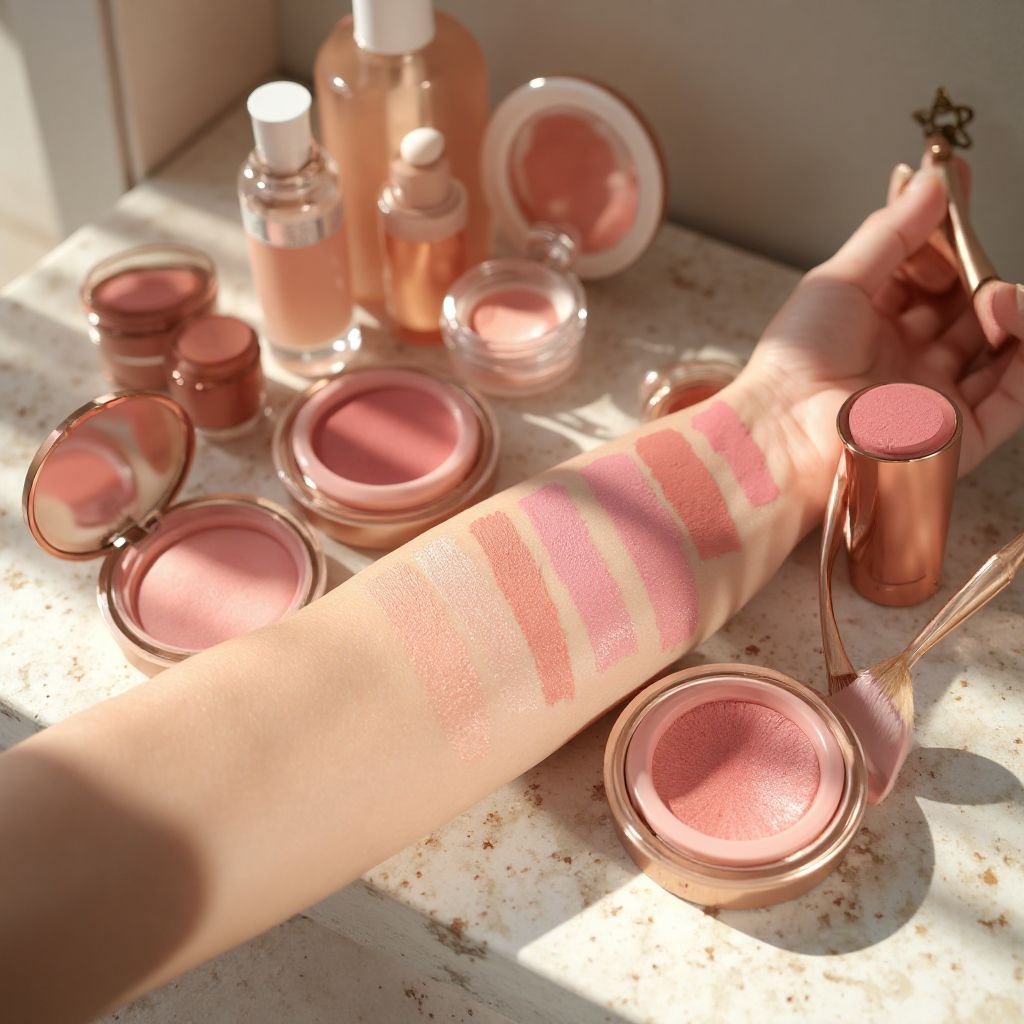
There’s no single best blush for fair skin. Getting a believable, natural blush look relies on three things: picking a flattering shade, using a texture that works with your skin type, and placing the color in the right spot. Market research for 2026 finds fair complexions look best in soft baby pink, light peach, and sheer berry tones—far more forgiving than bubblegum pink or vibrant fuchsia. Pro artists emphasize subtle depth, undertone matching, and especially “very diffused placement”—the secret to making blush disappear into your skin (not just sit on top).
How to pick and apply blush for fair skin: A step-by-step guide
Here’s a quick roadmap for getting your most natural, flushed cheeks makeup, without looking overdone:
- Find your undertone and match your shade family:
- Cool undertone? Go for petal pink or sheer berry.
- Neutral? Baby pink or soft rose works.
- Warm? Try light peach or subtle coral.
- Pick your texture (powder, cream, or liquid):
- Cream blush for pale skin equals dewy, youthful flush—best for dry or mature types.
- Powder blush 2026 formulas last longest and suit oilier zones.
- Liquid/serum blushes (the fastest-growing segment) give sheer, skin-like finish for any age.
- Test blush in different lighting—and never judge by pan alone:
- What looks subtle in daylight can look heavy under fluorescent or warm indoor light.
- Test on bare cheek and over your usual base to see performance.
- Apply with care:
- Stamp or press blush into skin (don’t swipe), building up color in super-thin layers.
- Diffuse across the upper cheekbones and nose bridge for a “sunlit” look. For round faces, sweep up and out; for long faces, keep blush closer in and a little higher.
- If layering, start with a cream or liquid blush, then top with a translucent powder blush for longevity.
Undertone Quick Matrix
| Your Undertone | Blush Family | Recommended Shades |
|---|---|---|
| Cool | Pink/Berry | Baby pink, petal, sheer berry |
| Neutral | Pink/Rose/Peach | Soft rose, nude-pink, muted peach |
| Warm | Peach/Coral | Light peach, pale coral, apricot |
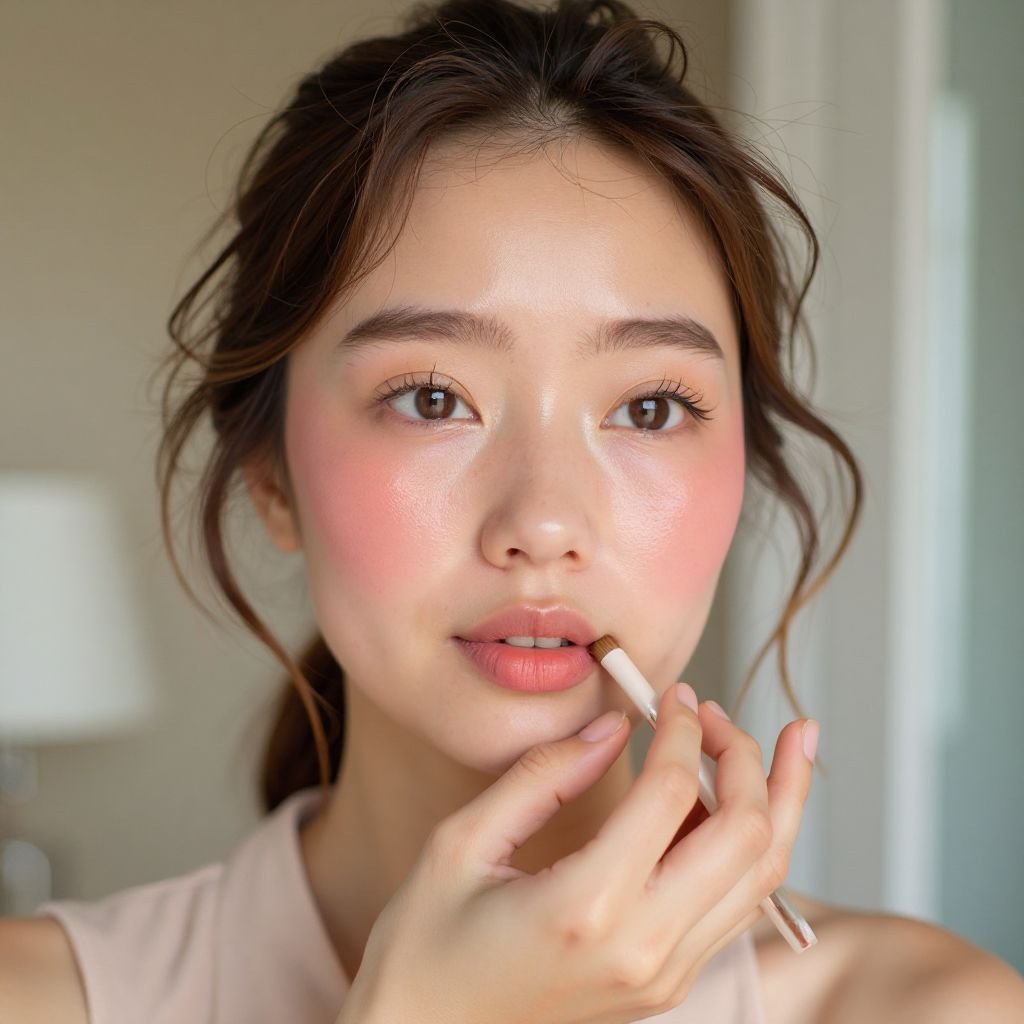
Curious about base prep before blush? Our primer for large pores guide explains how to get a super-smooth cheek area for even blush every time. Pair that with cream blush for long wear—and for extra dimension, see our bronzer for pale skin favorites to complement your fair complexion naturally.
Common pitfalls and advanced troubleshooting for fair skin blush
Even experienced makeup enthusiasts run into problems: too much blush can look doll-like, while some shades turn ashy. Here’s what goes wrong most often and how to fix it.
| Mistake | What Causes It | How to Fix |
|---|---|---|
| Overly bright/doll-like finish | Using high-pigment blush or applying too much at once | Start with sheer, buildable formulas and apply in light layers |
| Chalky or ashy look | Cool bubblegum pinks; talc-based powders; wrong undertone | Switch to soft baby pink, peach, or sheer berry; check undertone fit |
| Patchiness and texture | Applying powder blush to dry or unprepped skin | Moisturize first; set base before powder; press don’t swipe |
| Disappearing/fading blush | Lack of film formers; thin application; oily skin | Layer cream under powder; use a setting spray (setting spray tips) |
| Redness or rosacea amplification | Pink blush over red/inflamed areas | Shield red patches with concealer; choose sheer peach/neutral blush and avoid inflamed zones |
- Most “pink blush for light skin” problems come from heavy-handed formulas or ignoring undertone—both lead to a painted-on effect instead of a real flush.
- To check shade in real-world conditions, follow the 3-step “test it now” below:
Quick 3-Step Swatch Test
- Apply a swipe on your cheekbone in-store or natural light.
- Step outside (or use your phone flashlight) to see color intensity.
- Check at home under your normal bathroom or work lighting before committing.
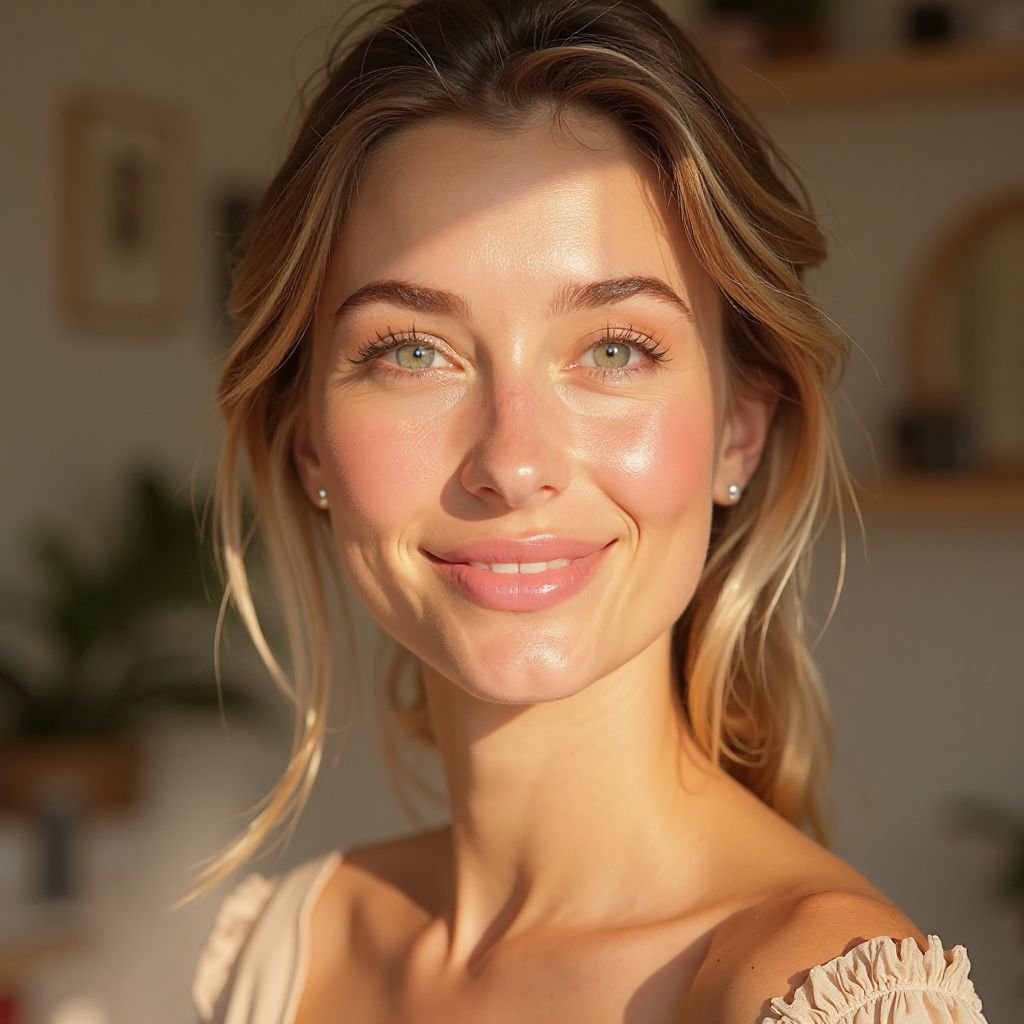
For ingredient advice, dermatologists recommend cream blush for pale skin with hydrating actives and minimal fragrance for sensitive types. Find more skin-safe product ideas in our beauty product review roundup—or see trending shades and techniques among real users with our short nails nail polish guide for more swatching best practices.
Shopping on a budget? Drugstore powder blush 2026 picks often cost $6–10, mid-tier options hit $10–25, and prestige blush runs $30–50. Learn what to expect at each tier in our drugstore-to-prestige kit guide.
Want to see ingredient and finish trends in action? Publications like Allure, Byrdie, and Harper’s Bazaar confirm the explosion of skin-first, sheer, and serum-based blushes in soft pink, peach, and berry for pale skin.
Conclusion: The best blush for fair skin is the one you adapt
Finding the best blush for fair skin is less about buying a trending shade, and more about matching undertone, texture, and careful placement for a natural flush you control. Remember—test in real light, apply in feather-light layers, and update your pick as your skin and taste change. Ready to skip the guesswork? Try the undertone matrix, and let skin-friendly blushes complement—not compete with—your fair complexion. Looking for more tailored glam tips? Check out our product review hub or explore foundation picks for dryer skin if your whole base routine needs an upgrade.
FAQs: Getting a natural blush look on pale skin
Why does pink blush look gray or chalky on me?
Usually, cool bubble-gum pinks have too much white or blue pigment, clashing with pale skin’s undertone. Opt for soft baby pink or peachy-rose; check in natural light before deciding.
How do I make blush last all day on fair skin?
Layer cream blush under a translucent powder blush, or set with a lightweight setting spray. Avoid thick layers—thin, well-blended color lasts longer and looks more natural.
What finish looks most natural: powder, cream, or liquid?
Cream blushes give the most skin-like, dewy look for pale skin—especially with a well-hydrated base. Powders suit oily skin or long days. Serums or liquids are forgiving and help avoid over-applying.
What if I have naturally red skin or rosacea?
Go for neutral peach or beige blush, apply only to concealed areas, and skip the most inflamed zones. Cream and serum textures are gentler on sensitive skin than powders.
How do I know if my blush matches my undertone?
If your blush blends in and almost mimics a real flush (never harsh or “painted on”), your undertone match is right. Use the undertone quick matrix above for easy guidance.