

How to fix heat damaged hair is a question that almost every regular user of hair styling tools eventually faces. If your curls have lost their bounce, ends are limp, and you want visible recovery—without drastic cuts or expensive salon routines—you’re in the right place. Here’s how to repair and manage heat damage, based on proven steps and actual science, not false hope.
Key Takeaways
- True repair means minimizing further heat exposure and rebuilding hair strength with the right balance of protein and moisture.
- Hair porosity and texture determine which products and routines will actually work—one size does NOT fit all.
- You can see visible improvement in 6–8 weeks with a realistic, affordable home routine and checkpoint adjustments.
- What “heat damaged hair” actually means (and why “repair” is limited)
- Step-by-Step: Building Your Recovery Routine
- Advanced Analysis & Common Pitfalls
- Conclusion
- FAQ & Myth-busters
What “heat damaged hair” actually means (and why “repair” is limited)
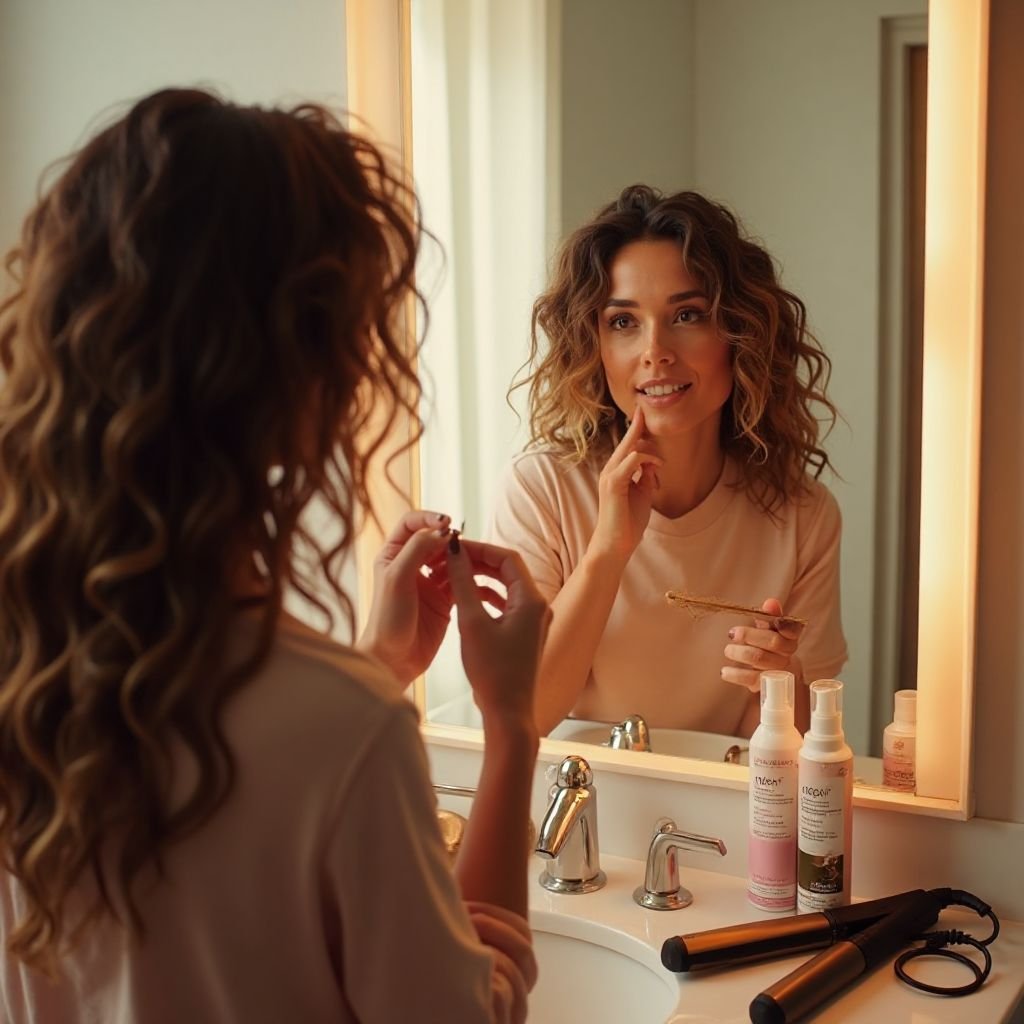
Let’s get real: when hair is exposed again and again to heat tools (blow dryers, irons, wands), it gets structurally altered. The surface cuticle lifts, protein inside is lost, water content drops, and the fiber weakens. Studies confirm that heat-damaged hair shows higher protein loss and weaker tensile strength than untreated hair [Source]. This means true “repair” isn’t always possible—what you can do is stop ongoing damage, rebuild some strength, and improve flexibility/appearance. Recovery is most successful when focused on halting heat and supporting the hair fiber with targeted products.
Step-by-Step: Building Your Recovery Routine
Ready to see real change? Follow these practical, research-backed steps to guide your hair repair routine and avoid wasted time or money.
- Stop all heat for 1–2 weeks. Heat damage is cumulative—halting tools is the single biggest factor in recovery [Discussion]. Use gentle air-drying or wrap/turban methods (get the right towel for your texture).
- Test your hair’s porosity. Slide a finger down a shed strand—rough bumps mean high porosity. Or, drop in water: fast sinking means higher porosity. High-porosity and curly textures show heat damage and dryness sooner [Editor review].
- Choose a weekly moisture mask. Look for formulas for your texture: thick/curls need richer masks (e.g., frizz-control oils), fine/flat hair needs lighter hydrators (try volumizing shampoo).
- Add protein selectively, not daily. For most, a monthly protein or bond-building treatment is best. Overdoing protein (more than every 2 weeks) can cause stiffness and brittle texture [2024 expert review].
- Seal and protect daily. Lightweight serums or oils help smooth the cuticle and reduce ongoing breakage (best split end serum guide). Always use a heat protectant before styling resumes.
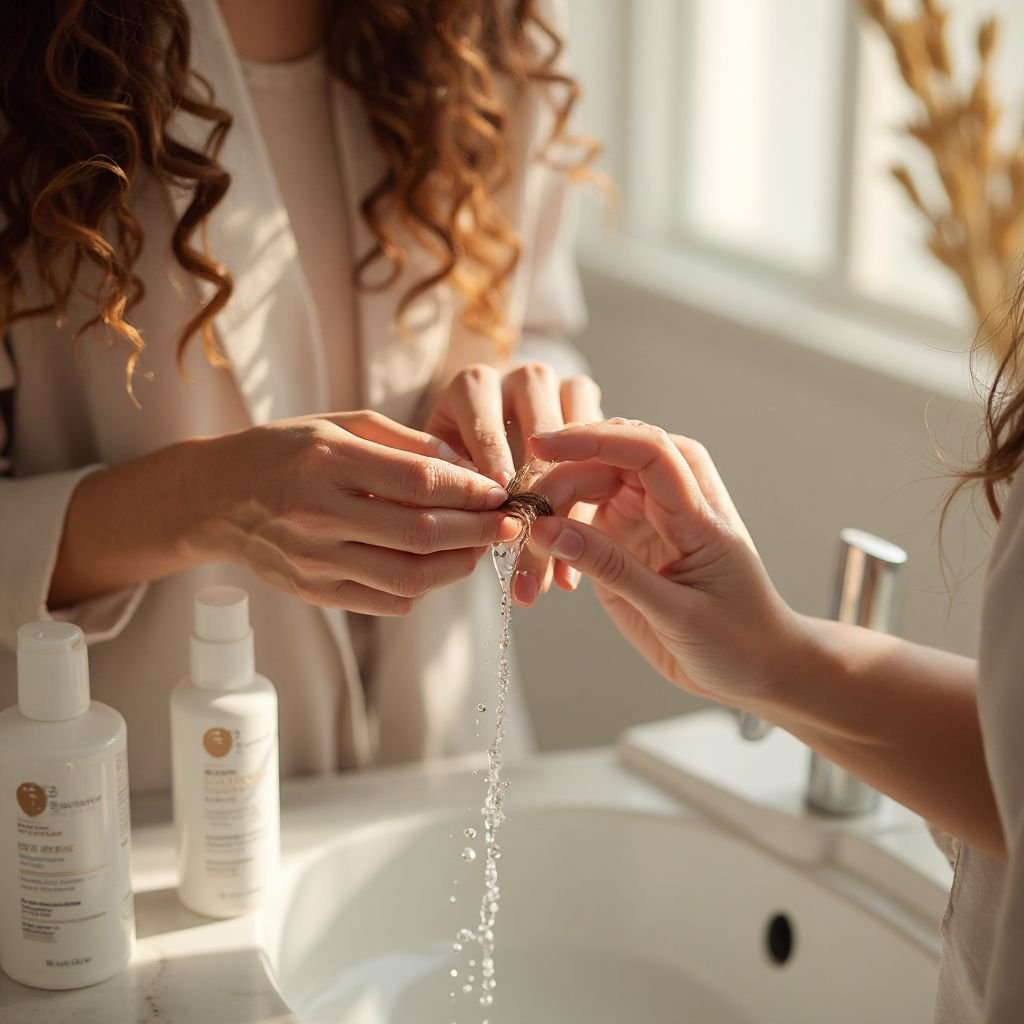
For a six to eight week plan, alternate moisture masks weekly with one protein or bond-repair session every four weeks. If curls feel rough, tangled, or lose spring, dial back protein and increase hydration.
- Unplug stylers for one week minimum
- Try air-drying or overnight heatless curl methods
- Switch to only cool/low settings if you must style
Advanced Analysis & Common Pitfalls
Most people struggle with either short-lived softness or unexpected hair stiffness. Here are the core barriers to true heat damage recovery—and how to avoid them:
| Problem | Symptoms | What Actually Works | What to Avoid |
| Temporary Softness Only | Hair feels silky after masks but quickly reverts | Alternate protein and moisture; use clarifying shampoo monthly; stop heat tools | Using masks only; ignoring cumulative heat exposure |
| Greasy/Heavy Build-up | Sticky, dull strands; limp curls; hard to style | Match formula weight to porosity; clarify; choose lighter products as needed | Stacking heavy oils/butters; overdosing protein |
| Protein Overload | Stiff, brittle, straw-like hair; loss of definition | Pause protein; focus on hydration and gentle detangling | Weekly protein (unless highly porous/damaged); “DIY everything” without checks |
| DIY Limitations | Shine, softness, but no bounce/restoration | Use DIY as conditioner but add clinical protein/bond treatments for strength | Replacing all protein/bond products with DIY only |
- Hair feels hard, brittle, or crunchy
- Breakage increases, especially at the ends
- Loss of curl pattern after treatment
- If these occur, stop protein and increase moisturizing masks immediately

Conclusion
Visible hair recovery is possible—but only if you accept that not all damage can be erased. Halting heat, matching products to your hair’s current needs, and balancing protein with moisture is the winning formula. Stop believing in miracle cures and start tracking your progress in realistic, six- to eight-week cycles.
Ready to start? Set a no-heat week, clarify, and rebuild your hair one step at a time. Review honest product opinions on our product review page, or start exploring the right tools for curly hair and serums for damaged ends. For persistent problems or severe heat damage, consult a hair professional. Your how to fix heat damaged hair journey starts with the next wash—so make it count.
FAQ & Myth-busters
Can hair fully recover from heat damage?
Not entirely. Once proteins and bonds are lost, some damage is permanent. Strategic care can restore appearance and reduce breakage, but structure is only partially rebuildable.
How often should I use protein treatments?
Most hair types should use protein treatments monthly or less. Overusing protein products (especially on low-porosity or fine hair) can lead to breakage.
Are DIY hair masks enough for repairing heat damaged hair?
No—DIY masks excel at softening and adding shine, but do not provide the structural repair shown in protein/keratin product studies [Clinical evidence].
Is Olaplex for heat damage backed by strong evidence?
Olaplex is highly rated by users for shine and reduced brittleness, but clinical evidence specifically for heat damage is limited. Protein/keratin treatments show more measurable repair in studies.
What if my hair is getting worse, not better?
Consider professional help if you see widespread breakage, loss of texture, or “mushy” high-porosity strands. A stylist can provide bond-repair or protein treatments stronger than at-home solutions.