

Best hair serum for split ends is one of the most googled phrases by anyone frustrated by frizz, dryness, or obvious breakage at the ends—especially if you color or style hair at home. But what do these split end treatments actually do, and can any “repair” serum really fix damage for good? Let’s cut through the marketing and dive into what science genuinely proves—and what’s wishful thinking—so you can spend smartly and get smoother, healthier-looking hair, without overpromising on magic fixes.
Key Takeaways
- No over-the-counter serum truly repairs split ends permanently; most only seal or bond them together temporarily.
- Look for bonding agents like polyquaternium-28, PVM/MA, or Crodabond CSN for real sealing—silicones alone only smooth and add shine.
- Best routine: apply to damp, mid-lengths and ends post-wash, use heat for extra sealing, and don’t skip regular trims or clarifying washes to prevent buildup.
- Why split ends happen (and why “repair” is mostly cosmetic)
- How to choose and use a hair serum for split ends: step-by-step
- Advanced analysis: What works, what doesn’t, and common pitfalls
- Conclusion & simple routine
- FAQ: Evidence-based answers about split end serums
Why split ends happen (and why “repair” is mostly cosmetic)
Split ends form when the protective cuticle layer of your hair frays and the inner cortex fibers begin to separate. This process is usually caused by a combination of physical wear (brushing, heat-styling), chemical treatments (bleach, dye), and dryness that weakens the hair’s natural bonds. While brands claim split end repair serum can “heal” the problem, the truth is that nearly all serums only create a temporary coating or bonding effect. According to multiple published reviews and clinical research, there are no large-scale, recent clinical trials proving true, permanent repair. Most split end repair products provide a temporary fix by literally gluing the split fibers together until your next wash, but they can’t reverse structural damage.

How to choose and use a hair serum for split ends: step-by-step
Not all serums are equal. Here’s how to truly pick and apply the best hair serum for split ends—without falling for hype:
- Check the ingredient list for proven bonding agents: look for polyquaternium-28, PVM/MA copolymer, or Crodabond CSN. Hydrolyzed proteins, keratin, or ceramides are also good signs.
- Smoothing vs. repairing: A serum for dry ends with only silicones (like dimethicone) or oils mainly tames frizz and adds shine. True “repair” serums will list a bonding or cuticle-sealing active high on the label.
- How to apply: Post-shampoo, gently blot hair with a microfiber towel (try a curl-friendly hair towel for less friction). Use a pea-sized amount and spread between your palms. Work through damp mid-lengths and ends only (never the roots).
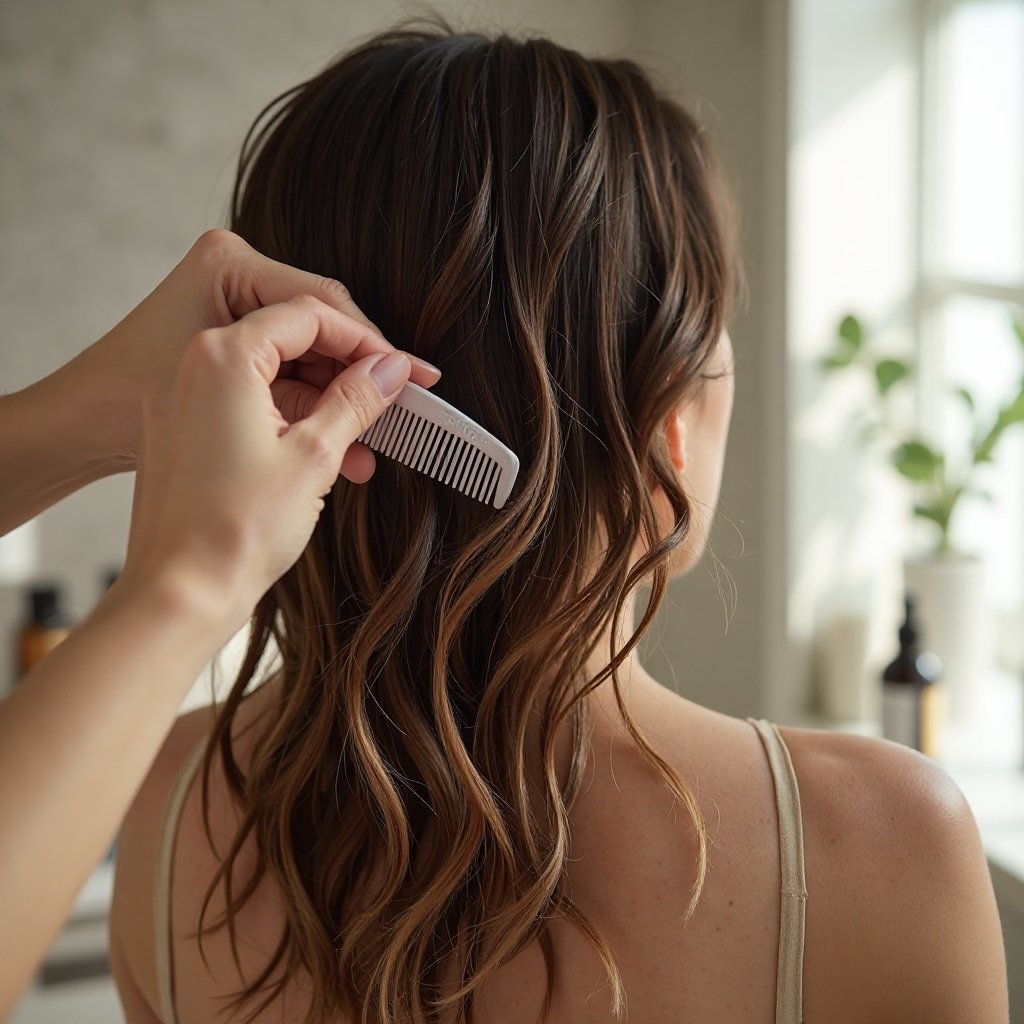
- Comb through gently to distribute, focusing on the most damaged tips. If your serum instructions allow, blow-dry or flat iron on low heat to “set” the bond—it can help make the effect last 2–3 washes.
- Don’t overuse: Use serum on wash days only or every 2–3 days, not daily, to prevent buildup and dullness. Add an intensive hair mask (protein or repair-focused) weekly for the best anti-split end treatment.
- Cost matters: Drugstore split end repair serum runs $10–15, while premium options can reach $50—but no independent tests prove pricier versions work better.
- Watch for allergens, fragrance sensitivity, or heavy silicones if your hair is fine or you dislike residue.
- Pair serums with supportive styling tools that minimize breakage—avoid tight elastics or harsh brushing.
Advanced analysis: What works, what doesn’t, and common pitfalls
Let’s zoom in on what sets the best split end serum apart—and avoid the top frustrations:
| Product Type | Main Action | Key Ingredients | Best For | Downsides |
|---|---|---|---|---|
| Bonding/Repair Serums | Temporarily seal splits by binding fibers | Polyquaternium-28, PVM/MA, Crodabond CSN | Damaged, color-treated, or prone to splits | May feel stiff, can build up over time |
| Smoothing Serums | Coats hair to reduce frizz and add shine | Dimethicone, cyclopentasiloxane, argan oil | Fine/normal hair, frizz control | No real sealing, can cause greasiness in excess |
| Hybrid/Protein Serums | Strengthens with hydrolyzed proteins/keratin | Hydrolyzed keratin, wheat protein | Weakened, over-processed hair types | Can cause stiffness, less shine than silicone-rich |
- Pitfall #1: Greasy Feel or Buildup – Most complaints about hair serum for damaged ends come from overuse and heavy silicone content. Fine hair? Use a single drop and stick to lightweight formulas. If buildup happens, clarify once a week with a sulfate-free shampoo.
- Pitfall #2: No Lasting Repair – Frustrated that your splits reappear? That’s normal. Science shows even the best split end serum provides a bond that may last up to 2–3 washes, especially if set with gentle heat. True structural repair isn’t possible—only regular trims will actually “remove” split ends (read the science).
- Pitfall #3: Falling for Pricey Gimmicks – Price does not guarantee better results. In SEM studies, moderately priced serums containing Crodabond CSN worked as well, if not better, than luxury equivalents (see SEM data).

Conclusion & simple routine
To truly get the most out of your split end routine, stay realistic: even the best hair serum for split ends can only offer temporary sealing and shine. Evidence supports using formulas with bonding agents (like polyquaternium-28 or Crodabond CSN), applied post-wash and set with heat, for the strongest result. But nothing replaces regular trims and healthy maintenance. Ready for less frizz and stronger ends? Try a science-backed serum, stick to a consistent application routine, and keep those ends dusted for your healthiest look yet.
FAQ: Evidence-based answers about split end serums
Can hair serums permanently repair split ends?
No. Current research confirms the effects are temporary—serums seal or glue splits until your next 2–3 washes. Only a trim truly removes split ends.
Will split end serums make my hair greasy?
They can, especially if you have fine or thin hair, or use a silicone-heavy formula. Start with a minimal amount and avoid roots to reduce greasiness.
How often should I use a split end repair serum?
Most hair pros suggest using after every shampoo, focusing on damp ends. Daily use on dry hair is unnecessary and can build up—clarify weekly if needed.
Should I still get trims if I use a “repair” serum?
Yes. Serums hide splits but do not actually remove them. Regular trims are the only way to prevent splits from traveling up the hair shaft.
What ingredients should I look for in a split end serum?
Best results come from serums with bonding agents (polyquaternium-28, PVM/MA, Crodabond CSN), hydrolyzed proteins, or keratin. Silicones provide shine but only coat, not repair.